




![]()
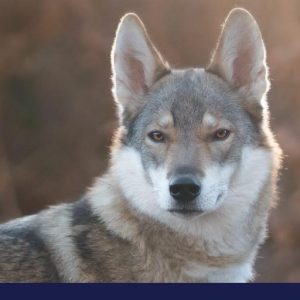
Meet the Labrador Retriever
Labrador Retrievers are among the most popular and cherished dog breeds in the world, celebrated for their friendly demeanour, sharp intelligence, and incredible versatility. Whether as a family pet, service dog, or outdoor companion, Labradors excel in just about any role. […]

![]()
Toy Fox Terriers: Small Dogs With Big Personalities
Toy Fox Terriers, often referred to as TFTs, are a charming and spirited breed that packs a lot of personality into a small package. Despite their diminutive size, they are known for their bold and lively nature, making them delightful companions for a variety of households. […]

![]()
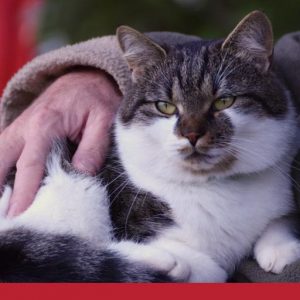
The Best Cat Breeds For Families With Children
Cats can make excellent companions for children, but they may pose potential risks. […]

![]()
The Best Dog Breeds For Apartment Living
Selecting a dog breed for sharing an apartment requires deep consideration to ensure that life together is enjoyable and fulfilling for your canine companion and of course yourself. […]

![]()
Are Cats As Domesticated As Dogs?
The question can only be answered by first understanding what “domestication” and “tame” mean. […]

![]()
Most Popular Dog Breeds
It’s been proved by millions throughout the centuries and there remains no doubt about it, the world’s best dog is the one that owns you. […]

![]()
Dog breeds and how long they should be walked
Walking your dog regularly exercises the mind as well as the body. Your dog wants to socialise and explore the smells and sounds of the world, so it’s always a good idea to vary the places you take your dog as much as possible. […]

![]()
What You Need To Know About Working, Service & Therapy Dogs
Dogs can be trained to provide a wide variety of assistance. They not only love their work but excel in their assigned tasks. […]

![]()
Top 10 Best Herding Dogs
Herders, also known as shepherd dogs, are intelligent, full of energy and not too difficult to train. Some are still used for their initial purpose – controlling and moving livestock. […]

![]()
10 Of The Best Police Dog Breeds In The World
Dogs are companions and pets, but they can also be working animals. Some breeds, in terms of size, senses, intelligence and trainability, are better equipped than others to play a working role, for example, in the police force. […]

![]()
The Many Jobs Of Cats
Cats have many interesting jobs. Here are a few of our favourites. […]

![]()
Health Issues & Conditions In Specific Dog Breeds
A big part of a dog’s general wellbeing is their health. Unfortunately some breeds are more likely to suffer from certain conditions than others. These breeds are: Bulldogs, Beagles & Boxers. However, they’re not the only ones. […]
![]()
Uncommon Facts About Dogs & Cats
Here’s a few things you didn’t know about your furry friends. […]
![]()
What You Need To Know About Feral Cats
The first thing you need to know is that feral cats are not stray cats or free-roaming cats. Feral cats are basically wild cats; Stray cats were once pets, but got lost or were abandoned. […]

![]()
Teacup Dogs : Fashionable But Inhumane
These modern-day micro-puppies are sadly seen as fashion accessories. Runts of a litter (the smaller or weaker ones), are often paired to create the so-called Teacup dogs. This is not a natural breeding situation. […]

![]()
Teacup Cats : Cuteness Brings Consequences
Teacup cats (also known as dwarf cats) began popping up in the United States about 30 years ago and are bred to be as small as possible. The smallest of two breeds are mated progressively in each generation and with each mating, a miniature cat is born, purely for physical attributes. […]

![]()
Evolution: The Origin Of Cats
The biological family of cats consists of many species, with the domestic cat being the most recently evolved. […]
![]()
Evolution: The Existence Of Dogs
Man’s best friend has been observed and studied for centuries. Actually, it’s no wonder why we are so fascinated by these creatures, if you think about all the breeds, shapes, sizes and behaviours of domestic dogs today. […]
![]()
How Old Is Your Cat In Human Years?
Use the chart below to estimate the ‘Human Age’ of your cat. […]

![]()
How Old Is Your Dog In Human Years?
Use the chart below to estimate the ‘Human Age’ of your dog. […]

![]()
Unusual Breeds Of Cats
Here is our list of Top 10 Unusual cat breeds. […]
![]()
Rare Breeds Of Cats
Here is our list of Top 10 Rare cat breeds. […]

![]()
Popular Breeds Of Cats
Here is our list of Top 10 Popular cat breeds. […]

![]()
Unusual Breeds Of Dogs
Here is our list of Top 10 Unusual dog breeds. […]

![]()
Rare Breeds Of Dogs
Here is our list of Top 10 Rare dog breeds. […]

![]()
Popular Breeds Of Dogs
Here is our list of Top 10 Popular dog breeds. […]

BREEDS & PROFILES
TRENDING
We’re excited and honoured to feature South Africa’s second largest independent animal welfare organisation on PetlifeSA.
Meet the Labrador Retriever
Labrador Retrievers are among the most popular and cherished dog breeds in the world, celebrated for their friendly demeanour, sharp intelligence, and incredible versatility. Whether as a family pet, service dog, or outdoor companion, Labradors excel in just about any role.
Here’s everything you should know about Labradors:
1. Personality & Temperament
- Friendly & Social: Labradors are famously outgoing and gentle. They’re excellent family dogs who typically get along well with children, other pets, and even strangers. Their warm, social nature makes them a joy to be around.
- Loyal & Affectionate: These dogs form deep bonds with their families and are often called “velcro dogs” for a reason – they love being close to their humans. Eager to please and full of affection, they thrive on companionship and connection.
- Energetic: Labs are bursting with energy and need plenty of physical activity to stay happy and healthy. They enjoy running, swimming, hiking, and especially a good game of fetch. Regular exercise is essential to keep their minds and bodies in top shape.
2. Intelligence & Trainability
- Exceptionally Smart: Labradors are highly intelligent and excel in training. They are often used as service dogs, therapy dogs, search and rescue dogs, and hunting companions because of their ability to learn quickly and work well with people.
- Easy to Train: They respond well to positive reinforcement techniques and love to please, making them relatively easy to train. However, they can be a bit excitable, so training requires consistency and patience.
- Sociable & Eager to Please: Their love for human companionship makes them great candidates for obedience training and even advanced tricks or skills.
3. Exercise & Play
- Active & Athletic: Labradors were originally bred to be working dogs, especially for retrieving game, so they have a high energy level. They require regular exercise to burn off their energy and keep them mentally stimulated. A lack of exercise can lead to boredom and unwanted behaviours.
- Great Swimmers: Labradors are natural swimmers, and many love water-related activities. Their webbed feet and thick, water-resistant coats make them excellent swimmers, which is why they were originally bred to assist fishermen.
- Fetch Enthusiasts: They are known for their love of fetching and playing with toys, making them a great partner for games like fetch or tug-of-war.
4. Health & Care
- Average Lifespan: Labradors typically live between 10 and 12 years, though with proper care, some can live even longer.
- Prone to Obesity: Due to their love of food and tendency to be food-driven, Labradors can be prone to obesity if not monitored carefully. It’s important to regulate their diet and ensure they get regular exercise to avoid weight gain.
- Common Health Issues: Like many large breeds, Labradors are prone to certain health issues, such as hip and elbow dysplasia, eye conditions (like progressive retinal atrophy), and certain types of cancers. Regular veterinary checkups are essential to catch and manage these conditions early.
- Grooming Needs: Labradors shed year-round, with heavier shedding during seasonal changes in spring and fall. Regular brushing helps manage loose hair and keeps their coat healthy. Although their short, dense double coat is relatively low-maintenance, they do require regular ear cleaning due to their floppy ears, which can trap moisture and lead to infections.
5. Feeding & Nutrition
- Diet Requirements: Labradors are food-driven and will often eat whatever is available to them, so portion control and a healthy, balanced diet are important. Avoid overfeeding them and make sure to provide a high-quality dog food appropriate for their age, weight, and activity level.
- Treats: They love treats, so use them wisely as part of training or rewards. Too many treats, however, can lead to obesity.


TRENDING
We’re excited and honoured to feature South Africa’s second largest independent animal welfare organisation on PetlifeSA.
TOY FOX TERRIERS: SMALL DOGS WITH BIG PERSONALITIES
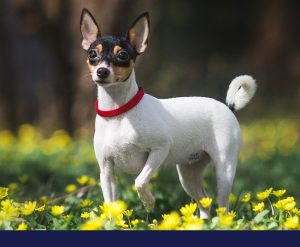
Toy Fox Terriers, often referred to as TFTs, are a charming and spirited breed that packs a lot of personality into a small package. Despite their diminutive size, they are known for their bold and lively nature, making them delightful companions for a variety of households.
Origins and History
The Toy Fox Terrier is a breed that originated in the United States. Developed in the early 20th century, this breed was created by crossing Smooth Fox Terriers with smaller toy breeds such as Chihuahuas and Miniature Pinschers. The goal was to maintain the hunting instincts and agility of the Fox Terrier while creating a smaller, more manageable size. Recognised by the American Kennel Club in 2003, Toy Fox Terriers have since gained popularity as both show dogs and loving pets.
Appearance
Toy Fox Terriers are small dogs, typically weighing between 1.6 to 3.2 kilograms and standing about 21.6 to 29.2 centimeters at the shoulder. They have a sleek, athletic build with a short, smooth coat that comes in a variety of colour combinations, most commonly white with black, tan, or both. Their ears are large and erect, giving them an alert and inquisitive expression, while their dark, round eyes exude intelligence and curiosity.
Personality and Temperament
Don’t let their small size fool you—Toy Fox Terriers are full of energy and confidence. They are playful and affectionate, often forming strong bonds with their families. These dogs are intelligent and quick learners, making them relatively easy to train, though their spirited nature means they can also be a bit stubborn at times. Positive reinforcement and consistent training are key to bringing out the best in them. Toy Fox Terriers are known for their loyalty and protectiveness, often acting as vigilant watchdogs despite their size.
Health and Care
Toy Fox Terriers are generally healthy dogs, but like all breeds, they can be prone to certain health issues. Common concerns include patellar luxation, hypothyroidism, and certain skin allergies. Regular veterinary check-ups, a balanced diet, and proper exercise are essential to keep them in good health. Due to their high energy levels, they require daily physical and mental stimulation. Short walks, play sessions, and interactive toys can help keep them happy and engaged.
Living with a Toy Fox Terrier
Toy Fox Terriers make excellent pets for a variety of households, from singles to families. They are adaptable and can thrive in both apartments and larger homes, provided they get enough exercise and attention. Their small size and minimal shedding make them suitable for those looking for a low-maintenance pet. However, their strong prey drive means they should be supervised around smaller animals.
Last word
Toy Fox Terriers are delightful companions that bring joy and energy to any home. Their combination of intelligence, playfulness, and loyalty makes them a wonderful choice for those seeking a small yet spirited dog. With the right care and attention, Toy Fox Terriers can be loving and devoted pets, enriching the lives of their owners with their vibrant personalities.
Related Articles


BREEDS & PROFILES
TRENDING
We’re excited and honoured to feature South Africa’s second largest independent animal welfare organisation on PetlifeSA.
The Best Cat Breeds For Families With Children
Cats can make excellent companions for children, but they may pose potential risks.
Before listing the top child-friendly breeds these are some of the main hazards to consider:
Scratches and Bites:
Sometimes cats might scratch or bite if they feel scared or bothered. It’s important to teach kids how to be gentle with cats and to watch them closely when they’re playing together. If bitten or scratched, a child should be seen by a doctor since serious infections could follow.
Allergies:
Some kids are allergic to cat fur, which can make them sneeze, have a runny nose, and itchy eyes. If you think your child might be allergic to cats, talk to your doctor about treatment.
Germs:
Cats can host and transmit a variety of parasites and bacteria, e.g., Toxoplasma gondii, which causes toxoplasmosis. This usually isn’t serious, but it can be dangerous for children with weak immune systems.
Safe Sleeping:
There’s a small chance that babies could be smothered by an over affectionate cat so it’s important to keep moggies away from cribs and bassinets or anywhere your baby is sleeping.
Several cat breeds are known for being gentle and patient and are therefore well-suited for families with children. Always keep in mind that any cat can be unpredictable, and every individual has a unique personality. (See below for tips on avoiding confrontations).
Maine Coon cats are famously large and have a gentle nature. Their intelligence and playfulness make them excellent companions for older children.
American Shorthairs are laid-back and with easygoing temperaments. Their adaptability lets them get along well with children of all ages.
Abyssinians are smart, always keen to play, and are happy to be in company. Being gentle and patient makes them an outstanding choice for young families.
Siamese cats are known for their intelligence and playful personalities. They are also very sociable and enjoy being around people.
Birman cats are gentle and affectionate. Being very social, they enjoy company and love to mix with their human housemates of all ages.
Sphynx cats are a naturally hairless breed that originated in Canada in the 1960s. They are known for their smooth, supple bodies and gentle personalities. Their intelligent and playful nature makes them a good choice to be around children.
Ragdoll cats have cute floppy bodies and a gentle temperament. They have a playful streak and are affectionate with children.
Persians are renowned for their luxurious flowing fur and gentle disposition. Being quiet and laid-back they aren’t always playful but love being gently petted.
It is important to note that not all cats within a breed will have the same temperament. It is always a good idea to meet individual cats and spend some time with them before bringing them into your home.
Here are some additional tips on choosing a cat for a family with children:
Find a socialised cat with exposure to children from a young age. This means that the cat is more likely to be comfortable with kids.
Understandably, a cat will be sensitive to new surroundings and sudden changes, or loud noises can easily cause stress. A calm and restful environment will help your cat feel secure and relaxed.
Cats can feel overwhelmed by too much rough attention. When that happens, they need their own comfortable hiding spot as a retreat. Provide them with a space where they can go to feel safe.
If your cat is severely irritable and this interferes with family life, consult a veterinarian or animal behaviourist. They will help to identify the cause and develop a plan to address the problem.
Related Articles


TRENDING
We’re excited and honoured to feature South Africa’s second largest independent animal welfare organisation on PetlifeSA.
The Best Dog Breeds For Apartment Living
Selecting a dog breed for sharing an apartment requires deep consideration to ensure that life together is enjoyable and fulfilling for your canine companion and of course yourself.
Below are the most important issues to ponder.
All dogs’ behaviour results from a complex interplay of their genetics and lived experience. This includes how they were trained and the environment and processes that influenced their socialisation. Genetics is the basic code for a dog’s instincts and temperament while external factors (environment) shape their character and personality.
Genetics:
Genetics establish a dog’s inherent predispositions, such as their energy level, trainability, and certain behavioural tendencies. For instance, herding breeds are genetically predisposed to herding behaviour, while scent hounds are naturally inclined to follow scents.
Environment:
Environmental factors, including training, socialisation, and life experiences, significantly impact a dog’s behaviour. Training provides structure and teach dogs’ desired behaviours, while socialisation exposes them to different environments, people, and animals, helping them adapt to their surroundings.
Interaction:
Genetics and environment do not operate in isolation; they interact and influence each other. A dog’s genetic predispositions can shape how they respond to their environment, and their environmental experiences can influence the expression of their genetic traits.
Training:
Training is essential for shaping a dog’s behaviour, regardless of their genetic predispositions. Even dogs with inherent behavioural challenges can learn to manage their behaviour and become well-adjusted companions through proper training and positive socialisation.
Individuality:
Every dog is an individual, possessing a unique blend of traits and behaviours shaped by a combination of genetics, environment, and personal experiences. This individuality ensures that no two dogs, even within the same breed, will be exactly alike.
Size of Breed and Exercise Requirements:
Size: Both the size of your intended pup and the size of your apartment i.e., the available space for your dog to move around comfortably must be considered together Obviously larger breeds may feel cramped and not have sufficient space for their exercise needs while smaller breeds may be noisy and highly strung.
Exercise Needs: Different dog breeds have varying energy levels and exercise requirements. Some breeds, like Malinois or Border Collies are highly active and need ample opportunities for physical activity, which may be challenging to provide in a limited apartment setting.
Temperament and Adaptability:
Temperament: Evaluate the temperament of the breed to determine if it aligns with your lifestyle and living environment. Some breeds are more adaptable to apartment living than others. For instance, calmer and more laid-back breeds like the Bulldog varieties or Bassets may be better suited for apartment life.
Barking Tendencies:
Consider the breed’s propensity to bark, as excessive barking can disturb neighbours and create tension. Some breeds, like Beagles and Huskies can have intrusive vocal habits, which may be less than ideal in an apartment block.
Additional Considerations:
Grooming Requirements: Factor in the grooming needs of the breed, as some dogs require regular brushing, bathing, and shedding management, which may be more manageable in a house with a backyard than in an apartment.
Noise Sensitivity: If you live in a noisy area, consider breeds that are less reactive to sounds and less likely to disturb neighbours.
Apartment Rules and Restrictions: Before choosing a breed, carefully review the rules and restrictions of your apartment complex regarding pet ownership. Some apartments may have size limitations or breed restrictions.
Conclusion
The intricate interplay between genetics and environment, coupled with the influence of training, socialisation, and individual experiences, creates the tapestry of a dog’s behaviour. Recognising and appreciating this is essential for fostering a harmonious and fulfilling relationship with our canine companions. Remember, each dog is an individual with unique needs and personality traits. It’s always a good idea to meet individual dogs of the breed you’re considering to assess their suitability for your apartment lifestyle.
Here are some of the calmest small breeds of dog, known for their gentle and affectionate natures:
- Cavalier King Charles Spaniel
- Bichon Frise
- Havanese
- Maltese
- Pekingese
These are all known to be low-energy companions that adapt well to living in an apartment.
Related Articles


TRENDING
We’re excited and honoured to feature South Africa’s second largest independent animal welfare organisation on PetlifeSA.
Are Cats As Domesticated As Dogs?
The question can only be answered by first understanding what “domestication” and “tame” mean.
A tame animal is one that is relatively tolerant of human presence. Taming is the process of making an animal used to human company and unafraid of people. This is achieved through conditioning by gradually accustoming the animal to human presence, handling, and feeding. It can occur over a short period of time, even within an individual animal’s lifespan. However, a tame animal still retains its wild instincts and can be dangerous and unpredictable.
In contrast, domesticated animals are those that have been selectively bred over many generations for traits that are beneficial or desirable to humans. This process changes the genetic makeup of the species, leading to physical and behavioural traits that distinguish domesticated species from their wild counterparts. Domestication is a long-term process that occurs over many generations. Domesticated animals are typically dependent on humans for their care and survival.
Therefore, while a lion might be tamed to perform in a circus, it is not domesticated. Conversely, your pet dog is both tame (it won’t bite you) and domesticated (it’s genetically distinct from wolves).
So, to answer the question one must study the traits that have emerged in domesticated animals. Taking farmed and wild sheep as examples, the former are stockier and have a thick fleece that needs to be shorn. Their wild cousins, however, have hair that grows longer to become the outer coat and short fine wool that serves as an undercoat. Domestic sheep have lost agility and become much fatter while male wild sheep exhibit much more powerful dominance displays. Such breeding adaptations show themselves as morphological (body shape), behaviour, and genetic changes.
Behaviour
Behavioural changes in domesticated animals often differ greatly from their ancestors. For instance, domesticated dogs, having retained their instinct to be pack-centered animals, are more social. Over thousands of years, to bond with humans, they have become less aggressive than wolves in the wild. Domesticated cats are tamer and more affectionate than wild bobcats but can still be loners.
Because of this development, dogs crave human companionship and are more likely than cats to establish strong bonds with their owners and are often very protective of them. This is not unknown in cats, but being more solitary animals, they easily keep their own company, need much less interaction with humans, and are more likely to form territorial bonds than with people. They may be affectionate with their present owners but would happily move on if a better situation presented itself.
Dogs are more trainable than cats because they have been bred to obey commands and are eager to please their pack leader. Conversely, cats are more independent and stubborn. To a far lesser extent, cats can be trained, but it takes more time and patience.
Body shape
Morphological changes in domesticated animals often differ from their wild ancestors as well. Domesticated dogs typically have shorter snouts, floppy ears, and curly tails compared to wolves. Domestic cats usually have shorter legs, rounder faces, and bigger eyes than wild cats.
Genetics
Genetic changes often distinguish domesticated animals from their wild ancestors too. For example, domesticated dogs have fewer genes for aggression and fear than their wild cousins. Domesticated cats have fewer genes for hunting and solitary behaviour than wild lions.
In short, cats are not as domesticated as dogs. With 10 times more molecular markers for domestication found in dogs compared to cats, your canine companion will do everything it can for your approval while your feline friend is mainly keeping an eye out for whatever goodies they can get.
Related Articles


TRENDING
We’re excited and honoured to feature South Africa’s second largest independent animal welfare organisation on PetlifeSA.
Most Popular Dog Breeds
It’s been proved by millions throughout the centuries and there remains no doubt about it, the world’s best dog is the one that owns you.
Nonetheless, humans in various countries prefer different breeds to fill that role. Just like the population census provides valuable demographic information, some folks have a keen interest in knowing how many and what kinds of dogs inhabit their fair lands. While not always scientifically reliable with the general trends changing over time, such data are tracked by the animal health-care industry, dog food manufacturers, kennel clubs, and others. There are good business reasons for having such knowledge but sometimes it seems more about understanding changing preferences and how these affect and are affected by social conditions. An example is how dog ownership statistics reflected the realities of the Covid19 lockdowns. Many people acquired companion dogs, and because of living in apartments without much space, the choice was often, but not invariably, a more petite breed. That’s why you’ll find the Havanese, Dachshund, various Doodles, and the mighty Chihuahua occupying spots in the top eight of the countries we studied.
Despite these tendencies, it’s clear that many dog-owning nations still favour the larger more robustly built types of pooch because the top two positions in every country are occupied by bulkier breeds. Judging by these results, the Lab, or to give its full moniker, the Labrador Retriever, is universally held in the highest esteem. Since 1991, it has widely been recognised as the number one dog choice in many countries, a full three decades of holding the crown.
Traditionally, there were four main reasons for choosing a particular breed. Historically these were guarding, working, hunting, and companionship. In recent years, our canine chums have assumed more dedicated roles, which includes being service dogs, empathy dogs, and medical alert dogs. It’s no surprise then that the Labrador is also favoured for these socially demanding tasks.
Fortunately, though, preferences differ, and just as we express our diverse personalities by how we live, what we wear and which teams we support, similarly our choice of dog proclaims a lot about ourselves. Designer jewelry, clothes, furniture, and now designer mutts are some examples of how we make such statements. Since the 1960s, dedicated breeders have been hybridizing the giant, standard, and toy Poodles with a variety of other types such as the Cocker and Cavalier spaniels for the Cockapoo and Cavoodle, while the ubiquitous Labrador has produced the Labradoodle. It is not on record whether any South African or U.S. breeders have attempted to produce the Boerdoodle.
While it makes no difference to their loving parents, these purposely bred dogs are unlikely to be registered as full breeds or shown at Crufts any time in the near future. While just as delightful and far healthier than their cousins from pure-bred parent lines, their great variability in size and proportions make it difficult to specify an ideal type.
Below are fairly representative top eight lists from Canada, the U.K., and Australia that indicate which breeds presently enjoy the highest popularity.
|
Australia
|
Britain
|
Canada
|
|---|---|---|
|
1. Cavoodle
|
1. Heinz 57 (mixed breeds)
|
1. Labrador Retriever
|
|
2. Labrador Retriever
|
2. Labrador Retriever
|
2. German Shepherd
|
|
3. Greyhound
|
3. Cockapoo
|
3. Havanese
|
|
4. Border Collie
|
4. Dachshund
|
4. Nova Scotia Duck Tolling Retriever
|
|
5. Golden Retriever
|
5. Staffordshire bull terrier
|
5. French Bulldog
|
|
6. Goldendoodle
|
6. Jack Russell terrier
|
6. Bulldog
|
|
7. Labradoodle
|
7. Border Collie
|
7. Bernese Mountain Dog
|
|
8. German Shepherd
|
8. Chihuahua
|
8. Portuguese Water Dog
|
Related Articles


TRENDING
We’re excited and honoured to feature South Africa’s second largest independent animal welfare organisation on PetlifeSA.
Dog breeds and how long they should be walked
Walking your dog regularly exercises the mind as well as the body.
Your dog wants to socialise and explore the smells and sounds of the world, so it’s always a good idea to vary the places you take your dog as much as possible. Walking your dog will also help build doggy confidence and gives you the opportunity for behavioural training.
Even if your dog is active inside the home, they still need another outlet for pent-up energy. Physical inactivity can lead to boredom and destructive behaviour, weight gain and possible health problems. Don’t expect your dog to create their own exercise routine just because you have put them outside. Dogs don’t self-entertain. Moreover, walking your pooch gets you both out and about and help to grow the bond you have with your dog.
Exercise needs are based on your dog’s age, breed, size and overall health. Our chart below gives you an indication of how long different dog breeds should be walked on a daily basis.


TRENDING
We’re excited and honoured to feature South Africa’s second largest independent animal welfare organisation on PetlifeSA.
What You Need To Know About Working, Service & Therapy Dogs
The difference between Working, Service & Therapy dogs
Dogs can be trained to provide a wide variety of assistance. They not only love their work but excel in their assigned tasks.
Working and service dogs have been highly trained to perform specific duties in stressful environments. The difference between working and service dogs is that working dogs often assist humans in their daily jobs, whereas service dogs perform tasks for persons with disabilities and have a legal right to accompany their owners in most areas. Therapy dogs, on the other hand, are trained to provide comfort and emotional support for individuals with psychological health issues such as anxiety or depression.
Improved Awareness
There are local and international legislations that protect the rights of working dogs and their owners. Educating the public and providing an awareness of the important roles of these working dogs can make a difference in society, whether it be guide dogs for the visually-impaired, service dogs for the physically disabled or support dogs for children with autism.
One thing is for sure – there is nothing ordinary about these dogs and they are best described as heroes!
Related Article
Top 10 Best Herding Dogs Read Now


TRENDING
We’re excited and honoured to feature South Africa’s second largest independent animal welfare organisation on PetlifeSA.
Top 10 Best Herding Dogs
Herders, also known as shepherd dogs, are intelligent, full of energy and not too difficult to train. Some are still used for their initial purpose – controlling and moving livestock – but over the years, many of these breeds have become popular pets that have never even seen a farm.
It’s not uncommon for breeds in the herding group, that don’t live on a farm, to act on their natural instincts when it comes to interacting with family members. An eager nudge here and there might not seem that bad, but it’s far from ideal when you have small children to think about, even though this behaviour is not aggressive.
Before making a herder part of the family you need to remember that they’re working dogs that need ample exercise, mental stimulation and obedience training to ensure that they lead a happy, healthy life. Something like agility training offers a two-in-one solution that provides physical and mental stimulation at the same time. Training should start as early as possible to ensure that certain behaviours, such as nipping at ankles, don’t become habits.
BORDER COLLIE
For many people, this is probably one of the most well-known herders. They have amazing stamina, are super intelligent and can be trained to be wonderfully obedient. Many are still sheep herders; some are involved in dog sports; others are lovely companions for active, involved owners.
ROUGH COLLIE
Remember Lassie? Well she was a Rough Collie (or Collie). These long-haired dogs are known for their loyalty, either to a family or one individual. Socialisation should start early as Collies can be shy around unfamiliar people, even though their regal posture and alertness make them seem confident.
OLD ENGLISH SHEEPDOG
This breed is as old as it sounds. These long-haired, purebred dogs are large, yet wonderfully playful.
SHETLAND SHEEPDOG
These caring, fun-loving dogs, also known just as Shetlands, are super intelligent. They almost look like mini Rough Collies and their talents include agility, tracking and obedience.
AUSTRALIAN SHEPHERD
Being highly trainable, these clever dogs know how to help out and perform. They’ve been used for service purposes, military and police work, search and rescue missions and they’ve even participated in horse shows and rodeos! Don’t let the name fool you, because they’re actually bred in the Western United States.
AUSTRALIAN CATTLE DOG
Some believe that Australian Cattle dogs are descendants of wild dingos (and it’s not too hard to believe). Due to the continent’s expansive, tough terrains, Australian settlers needed a smart, athletic breed capable of efficiently driving their livestock. Australian Cattle dogs need stimulation in the form of agility training and other vigorous physical activities.
GERMAN SHEPHERD
Today German Shepherds are mostly associated with police and military work, but they were actually bred to herd sheep! They are popular pets as well, but they need a purpose as they’re very athletic and trainable. Their confidence and courage are also valued qualities.
BELGIAN MALINOIS
Some Belgian Malinoises may look similar to German Shepherds in terms of colouring and built. They’re also intelligent, confident and full of energy making them ideal for high-energy activities and jobs.
CARDIGAN WELSH CORGI
This one might be a surprise, considering their size and shape, but Cardigan Welsh Corgis are intelligent, highly trainable and adaptable herders, just like many of their ancestors. They fare well in cities as well as on farms, but they’re not low maintenance in terms of exercise. Once you know it’s a distant cousin to the dachshund, the appearance of the Cardigan line makes more sense.
PEMBROKE WELSH CORGI
Generally, Pembroke Welsh Corgis are either born with short tails or no tails at all. They’re also smart and affectionate, with plenty of stamina, so regular stimulation is a must.
Related Article
The Many Jobs Of Cats Read Now


TRENDING
We’re excited and honoured to feature South Africa’s second largest independent animal welfare organisation on PetlifeSA.
10 of the Best Police Dog Breeds in the World
Photo credit: Mariette Fourie – owner, Nadine Shortland – photographer
Dogs are companions and pets, but they can also be working animals. Some breeds, in terms of size, senses, intelligence and trainability, are better equipped than others to play a working role, for example, in the police force.
These special animals are trained from a very young age to assist their owners with duties they need to perform in their jobs.
Let’s jump into our list of brave, intelligent, hard-working police dog breeds.
German Shepherd
The German Shepherd claims the number one spot according to numerous sources. Apart from being highly intelligent, they’ve got lots of personality and are extremely loyal and reliable. Once properly trained, they can show restraint or attack on command. They’re also known for their search and rescue abilities. Their ability to follow instructions, and persist until the job is done, is remarkable. They are brave, even when it comes to apprehending armed suspects.
Rottweiler
Even though they’re not the biggest breed out there, Rottweilers are often seen as strong, scary and aggressive dogs, but they’re not naturally aggressive. However, they can be protective and territorial. Their strength as well as fearless and courageous traits also make them great police dogs.
Belgian Tervuren
The Belgian Tervuren might not seem as dangerous as a Rottweiler, but most people will think twice about upsetting its owner, especially if it’s an authority figure. Almost wolf-like in appearance, these hairy dogs should not be underestimated, even though they have a loving side. The Belgian Tervuren is always ready for action when its human companion demands, but can also be used for drug detection and bomb sniffing.
Doberman Pinscher
Lean, but super strong and fast, the Doberman Pinscher is a very capable police dog. They can chase and catch criminals and they don’t give up. This loyal, reliable breed, that’s up to police force standards, should not be crossed.
Giant Schnauzer
Compared to the miniature breed, a Giant Schnauzer makes quite the statement and can intimidate humans and other animal. For some they may seem fluffy, or even funny with their long facial fur, but there’s a reason they’re used as police dogs. With a large body and confident stance, they demand respect and their jaw strength should not be underestimated. Still, they are loyal companions and trustworthy police dogs that are very capable of fulfilling their duties.
Dutch Shepherd
When considering different breeds for a police dog, the Dutch Shepherd or Dutch herder is an excellent choice. With an expected lifespan of up to 15 years, they are amazing assets, as long as their health and wellbeing are prioritised. They can fulfill their duties for years which may contribute to sustainable breeding.
Labrador Retriever
Also known as great family dogs, Labrador Retrievers should not be underestimated for their working capabilities. As police dogs, they are used for bomb sniffing, drug detection and picking up sensory messages humans can’t always or immediately sense with their ears and eyes.
Boxer Dog
With the proper training, Boxers can be great police dogs. Both the Schutzhund Boxer and Deutscher Boxer are fit for the demanding work. They’re specifically popular because of their agility and ability to jump.
Bloodhound
The first thing many people notice when looking at a Bloodhound is its lovely long ears! But don’t let this long-faced, gorgeous hound fool you. They are strong, disciplined and natural hunting dogs with the nose and instincts to go after bigger ‘prey’ than just fluffy rabbits.
German Short-Haired Pointer
These guys, more commonly known for their hunting skills, have been around for ages and make great police dogs. They are intelligent, keen to please and highly trainable hounds that are great trackers thanks to their keen sense of smell. These beautiful dogs may not look intimidating (in fact, they’re quite friendly if you’re one of the good guys), but they know how to get the job done.
Related Articles


BREEDS & PROFILES
TRENDING
We’re excited and honoured to feature South Africa’s second largest independent animal welfare organisation on PetlifeSA.
The Many Jobs of Cats
Cats have many interesting jobs. Here are a few of our favourites:
Theory of Gravity Tester
Apparently, it’s important to knock things off counters and tables every now and then. Is it instinct, curiosity, boredom or insolence? Who knows, but it’s a job many cats have.
Fresh Laundry Protector
Many cats excel at protecting fresh laundry. After all, who wouldn’t want to take care of clean, warm, fluffy clothes… especially when distributed in neat stacks.
Warmer of Laps and Beds
Cats can be effective, eco-friendly heaters, a role that is especially valued in winter.
Decorator
Cats are creative and have their own thoughts on where things should go or whether something requires a bit of shredding…
Box Inspector
Boxes obviously need to be inspected and cats know how to get the job done.
Mouser
Some cats are natural exterminators.
Restroom Attendant
Cats tend to find bathrooms and their contents interesting. Why wouldn’t they follow you there and keep you company?
Natural Healer
Many humans find their cats’ cuddles and purrs helpful when they’re sick or stressed. In fact, it has been said that cats’ purrs vibrate at a frequency that promotes healing.
Confidant
As far as we know, a cat will never share your secrets. At least not with other humans.
Furchildren
For many owners, cats are like their children. So, sometimes a cat’s job is just to allow nurturing.
Comedian
If the internet has proven one thing, it is that cats can be very amusing.
Master Masseuse
Who doesn’t like a little gentle kneading from their feline friend?
Judge
Don’t try to hide it. You know what you did to deserve that stare.
Alarm Clock
Why set an alarm when you have a cat that loves waking you up?
Office Supervisor
These cats are especially drawn to computers.
Ornithologist
Most cats excel at studying birds.
Related Articles


TRENDING
We’re excited and honoured to feature South Africa’s second largest independent animal welfare organisation on PetlifeSA.
Health Issues & Conditions in Specific Dog Breeds
A big part of a dog’s general wellbeing is their health. Unfortunately some breeds are more likely to suffer from certain conditions than others.
These breeds are:
- Bulldogs
- Beagles
- Boxers
However, they’re not the only ones. Before choosing to adopt or buy one of these breeds you should know about the potential health problems they can be born with. Health problems can start affecting dogs while they’re puppies, adolescent dogs or adult dogs.
If you own one of these breeds (including the ones we’ll discuss below) it’s important to be aware of health issues that could affect your dog. Any changes in behaviour or physical appearance should be discussed with your veterinarian.
Tests can rule out or confirm issues and if necessary your veterinarian should recommend a plan to manage the symptoms and reduce complications.
BLOAT
Dogs likely to suffer from bloat: Great Danes, Saint Bernards and other giant and large breeds.
What happens: Internal organs can suffocate when the stomach twists and traps gas inside. This reaction is caused by the shape of their chests which can make their stomachs swell with liquid and gasses.
How to help prevent and deal with bloat: If you have a giant or large breed, place food in a raised bowl or make use of an elevated feeder. Also regularly check your dog’s stomach. If it seems tight or swollen a careful examination can be performed by your veterinarian.
HIP OR ELBOW DYSPLASIA
Dogs likely to suffer from hip or elbow dysplasia: Golden and Labrador Retrievers, German Shepherds and other large breeds.
What happens: Hip dysplasia can cause lameness, arthritis and loss of mobility due to the abnormal formation of the hip socket that causes serious pain. Elbow dysplasia, which can cause lameness, occurs in the joints of the front legs.
How to help prevent and manage hip dysplasia: Avoid overfeeding and make sure your dog exercises regularly.
How to help prevent and manage elbow dysplasia: Elbow dysplasia can be treated. Options include medication and surgery.
ARTHRITIS AND JOINT PAIN
Arthritis and joint problems are not breed-specific conditions. Dogs usually experience arthritis and joint problems when they grow older, but it’s usually treatable. Joint problems, manifesting as lameness, can also occur earlier, mostly in larger breeds.
How to help dogs with arthritis and joint pain: Weight management, exercise and pain medication can all help reduce pain and manage the condition. Some dogs may even grow out of it.
EYE DISEASES
Dogs likely to suffer from glaucoma and cataracts early in life: Beagles, Chow Chows and Poodles. Dogs likely to suffer from glaucoma and cataracts later in life: Most breeds (it’s part of ageing).
Progressive Retinal Atrophy (PRA) AKA Progressive Rod-cone Degeneration (PRCD): This group of eye diseases, which can eventually lead to blindness in both eyes, can start affecting dogs at an early age.
HEART DISEASES
Heart diseases and related conditions in general are not limited to certain breeds and dog sizes. Regular medication is often required and exercise should be kept to a minimum in some cases.
Congestive heart failure (CHF) can be caused by atrioventricular valvular insufficiency (AVVI), dilated cardiomyopathy (DCM) and mitral valve disease (MVD).
- AVVI: Most common in small to medium sized breeds such as Cavalier King Charles Spaniels, Miniature and Toy Poodles, Schnauzers, Chihuahuas and Yorkshire Terriers.
- DCM: Most common in Doberman Pinschers, Great Danes, Boxers and Cocker Spaniels.
- Mitral valve disease: More common in smaller breeds e.g. Poodles, Yorkies, Pugs and Pomeranians.
Congestive heart failure (CHF) can also be caused by inherited defects such as aortic stenosis, subaortic stenosis (SAS), tetralogy of fallot (TOF), ventricular septal defects (VSD) and persistent ductus arteriosus (PDA).
- Aortic stenosis and SAS: Breeds susceptible to subaortic stenosis include Newfoundlands, German Shepherds, Golden Retrievers, Rottweilers and Boxers (larger breeds).
- TOF: More likely to occur in purebred dogs, specifically English Bulldogs and Keeshonds.
- VSD: Appears sporadically in many different dog breeds.
- PDA: The most commonly affected breeds are Maltese, Poodle, Pomeranian, Keeshond, Bichon Frise, Chihuahua and German Shepherd.
Other heart conditions include:
- Tricuspid valve dysplasia: Susceptible breeds include Labrador Retrievers and German Shepherds.
- Hypertrophic cardiomyopathy: Uncommon, but most frequently seen in young to middle-aged large breeds such as Rottweilers, Dalmatians, German Shepherds, Boston Terriers and certain Pointers (males are more susceptible).
Before choosing a breed, learn more about their potential health issues. If possible, get both parents’ medical histories. Also make sure the breed you choose fits in with your lifestyle.
Related Articles


TRENDING
We’re excited and honoured to feature South Africa’s second largest independent animal welfare organisation on PetlifeSA.
Uncommon Facts About Dogs & Cats


TRENDING
We’re excited and honoured to feature South Africa’s second largest independent animal welfare organisation on PetlifeSA.
WHAT YOU NEED TO KNOW ABOUT FERAL CATS
The first thing you need to know is that feral cats are not stray cats or free-roaming cats.
- Feral cats are basically wild cats
- Stray cats were once pets, but got lost or were abandoned
- Free-roaming cats are domestic cats that tend to roam
Some free-roaming cats don’t necessarily have owners or shelters, but they get food and water from caretakers.
MORE ABOUT FERAL CATS
Feral cats often live in a colony (a group of feral cats), but they can also live alone and take care of themselves. It’s important to remember that they are wild cats.
Many feral cats have never interacted with or been close to humans because they were born and ‘raised’ in a colony.
WHAT MAKES FERAL CATS DIFFERENT?
You won’t often come across one, but if you do see a colony of cats, they are bound to be feral.
It’s what sets them apart from other cats. In a colony they have the numbers to guard their territory which is usually an area with relatively easy and consistent access to food.
ARE FERAL CATS DANGEROUS?
Feral cats will usually stay away from humans, but domestic cats are not that safe when it comes to contracting parasites and (possibly deadly) diseases from feral cats.
Feral cats can actually endanger themselves when overpopulation leads to starvation. Some people believe this is where one should or can step in and help.
HOW DO FERAL CATS BEHAVE WHEN APPROACHED?
Generally it’s not advised to attempt interaction, but if you feel the need to help there’s a few things you should know.
- Don’t expect eye contact, it’s not their thing
- They tend to run and hide, so don’t expect a warm welcome or gratitude
- Cowering, crouching and tail tucking are all normal behaviours for a feral cat that feels trapped or threatened (strays and roaming cats tend to do the opposite stance and gait wise)
- Unlike pet cats, feral cats don’t have that connection with humans, so don’t expect meowing or purring (they usually reserve those for their colony members)
HOW DO FERAL CATS LOOK COMPARED TO OTHER CATS?
Stray cats usually look scruffy as a result of permanently living outdoors.
Of course feral cats also live outside, but looks can be deceiving, especially when considering female feral cats that tend to groom. Male feral cats and older feral cats have a few different characteristics as a result of their lifestyle:
- Large and muscular built from adequate food supply and fighting other feral cats
- Older males usually have numerous scars on their heads and hind legs
- Both males and females can have bumps and hairless areas near their tails which is usually the result of high hormone levels because they haven’t been spayed or neutered
- High testosterone in males can be responsible for a greasy and a spiky coat
- Although it’s rare, some feral cats have been neutered and will usually have a tipped ear (the universal sign) as evidence
Ear tipping is a swift alteration done under sedation during the spaying or neutering procedure.
SLEEPING HABITS
It’s normal for feral cats to sleep during the day and ‘come alive’ in the late afternoon or early evening. Even though most cats don’t mind (and even like) being in the dark, a cat that is out late, is probably a feral cat.
It’s also fairly common to see feral cats hunting in groups. Hunting and playing before dawn is not uncommon either. Another giveaway is burrowing the morning’s ‘catch’ for later.
HOW CAN YOU HELP FERAL CATS?
If you want to adopt, there’s usually only some hope for domestication if you can catch a feral kitten, as in under 8 weeks old.
Any older and a feral cat is bound to feel out of place and constantly frightened in a confined space with unfamiliar rules and routines. It’s also too late to start socialisation, so anything new and strange will most probably cause distress and affect their wellbeing.
If you really want to adopt an older feral cat, you’ll need be realistic and give up when it doesn’t work out. If the cat doesn’t adapt, remains fearful and always hides, the best thing you can do as a responsible animal lover (and for the sake of the cat’s wellbeing), is to have the cat neutered or spayed, vaccinated and returned to the wild where it’s most comfortable.
Related Article
Evolution: the Origin Of Cats Read Now


BREEDS & PROFILES
TRENDING
We’re excited and honoured to feature South Africa’s second largest independent animal welfare organisation on PetlifeSA.
Teacup Dogs : Fashionable But Inhumane
These modern-day micro-puppies are sadly seen as fashion accessories. Runts of a litter (the smaller or weaker ones), are often paired to create the so-called teacup dogs. This is not a natural breeding situation. Teacup dogs are not considered as a breed category, and there are no regulations when it comes to their breeding.
Welfare organisations warn that the trend of miniature breeds is putting the lives of pets at risk as inbreeding increases the risk of health problems for both mother and her puppies. There are no specific breeds that are used in this unnatural breeding process, although breeders devise new ways to shrink an already small breed like the Shih Tzu, Chihuahua, Poodle, Beagle, Pug, Pomeranian and Yorkie.
Weighing 3.2 kg or less at maturity, the list of health issues is directly related to their unnaturally small size, and includes hypoglycemia, digestive trouble, liver shunts, hydrocephalus, heart defects, respiratory problems, not to mention the heartbreak of owning a fragile and chronically ill pet with a short lifespan.
Teacup dogs are often left at shelters due to health issues and the disappointment and dissatisfaction of their owners. Much to the surprise of some owners, teacup dogs cannot do all the things that normal-sized dogs do and treatments due to health issues can be very costly. Due to their size, they spend a life inside a purse, having very little exercise and even less interaction with other dogs.
A more humane option would be to consider purchasing a toy dog breed, since it is a healthier version of a teacup dog, and help to decrease the questionable breeding trend and poor quality of life for these little dogs.
Related Article
Teacup Cats: Cuteness Brings Consequences Read Now


BREEDS & PROFILES
TRENDING
We’re excited and honoured to feature South Africa’s second largest independent animal welfare organisation on PetlifeSA.
Teacup Cats : Cuteness Brings Consequences
Teacup cats (also known as dwarf cats) began popping up in the United States about 30 years ago and are bred to be as small as possible. The smallest of two breeds are mated progressively in each generation and with each mating, a miniature cat is born, purely for physical attributes. This small version of a typical cat, with shorter legs, does not weigh more than 4.5 kg when fully grown.
Teacup kittens come in a variety of breeds. The most popular teacup breeds are the combination of Persian and Exotics. The newest addition of the teacup breed is the Napoleon, with long coats and big eyes, and were inbred by mating a Munchkin with a Persian cat.
Teacup cats are not only cute and adorable, they are easy to carry around and typical lap cats, but like all other cats, they too grow up and lose their kitten ways. Interbreeding or selective breeding that goes into creating such small cats could lead to health issues and disorders for the pet and heartaches for the pet parent.
Teacup Persians are more likely to suffer from chronic respiratory issues, eye and nose infections, jaw issues that affect their ability to properly chew food and kidney disease. Any cat bred to be teacup-size is unable to regulate their body temperature as well as a regular-size cat, and more likely to suffer from dental and oral diseases, heart disease, neurological abnormalities, eye issues, shorter lifespans and their smaller bones and joints make them more susceptible to arthritis and injury.
Although teacup cats are great for the elderly, for people with small apartments and families with children, however next level cuteness means next level care and extra attention! Due to their tiny size, they must be treated gently and regular trips to your veterinarian will ensure that your teacup cat is as healthy as possible.
Related Article
Teacup Dogs: Cuteness Brings Consequences Read Now


TRENDING
We’re excited and honoured to feature South Africa’s second largest independent animal welfare organisation on PetlifeSA.
EVOLUTION: The Origin Of Cats
The biological family of cats consists of many species, with the domestic cat being the most recently evolved.
This family consists of three groups namely:
- Cats that Roar
- The Cheetah
- All Other Small Cats
The classification is, however, more complex in terms of distinguishing species. There might be eight distinct lineages.
COMMON FEATURES
- Predatory hunting mammals
- Keen senses: smell, sight and hearing
- Rounded head and skeletal structure
All 37 recognised species within the cat family may have a common ancestor that lived in Asia 10 to 12 million years ago. Apart from the Arctic, Antarctic and Australia, many types of cats were found all over the globe 3 million years ago.
Geographical and climate changes led to conditions and locations that enabled many species to migrate and thrive. Their natural instinct to seek their own territory probably also contributed as well as the need to follow and secure prey.
Most cats are solitary animals with males and females sharing a similar appearance apart from slight size differences (except lions in terms of living in groups and the male boasting a mane), but they are all territorial and highly developed carnivorous hunters.
They all have: Five digits on their front feet, four digits on their hind feet
- Digits protected by pads with retractable claws (apart from the cheetah in terms of retractable claws)
With a wide range of coat colours, which evolved through the ages, they are able to blend in with their environments to facilitate hunting.
THE EVOLUTION AND ADAPTATION OF THE DOMESTIC CAT
Fossil records indicate that humans and cats have co-existed since the development of early human settlements, even though the cats may have been wild. Earlier, domestication (or taming) of the African wildcat as it has been identified, was believed to have occurred about 3 600 years ago in Egypt. This species, now from Asia and North Africa, is probably the major ancestor of today’s modern domesticated cats.
Later evidence, of a cat deliberately buried with his owner in the Middle East, shows that feline domestication could’ve occurred 10 000 years ago already. 9 500 years ago, an owner and cat were also found in a grave in Cyprus. This may be the earliest true record, which is interesting, as there were no native cats on Cyprus, so domestication could’ve begun earlier.
THE HUMAN POPULATION, RODENTS AND WILD CATS
It is believed that the first human stores of grain could be found in Israel more than 10 000 years ago. As the grain stores developed, the rodent population increased, specifically the species we today call the house mouse. The rodents likely attracted wild cats which eventually, due to the close proximity with humans, required a taming process.
Evidence suggests that cats were commonly associated with human settlements in The Fertile Crescent some 3 700 years ago and that they became an official deity (goddess Bastet) 2 900 years ago. Cats were sacrificed and mummified in large numbers then which indicates that they were actually bred by the Egyptians. It is further thought that the spreading of cats throughout Europe started 2 000 years back.
MODERN CAT FACTS
- Today’s modern house cat and the African wildcat share an almost identical DNA.
- The African wildcat, with a similar appearance to domestic tabby cats, are still around.
- Generally different species cannot interbreed, unlike the domestic cat and African wildcat which has led to:
(a) feral and stray cats causing problems in many countries and
(b) a diminishing population of genetically distinct purebred wildcats. Carolus Linnaeus classified the domestic cat as Felis catus in 1758, but some believe it should rather be seen as a subspecies of the Wildcat (termed Felis silvestris catus).
DOMESTICATION OF THE CAT
In terms of domestication, cats have not undergone the same major changes as dogs. Their behaviour has remained similar to their ancestors. They can survive in the wild and could revert to a wild state if necessary or desired. Breeding, care and reproduction are also not totally controlled by humans (only pedigree pet cats, a small portion of the total cat population, are almost completely ‘controlled’ by humans).
Today, there are several traits that make cats as pets appealing to humans, including their small size, social nature, body language, love of play and high intelligence. Their natural wild side is also fascinating as they often mimic characteristics of their ancestors.
They are also able to survive with very little water and can tolerate extremes of heat.
Related Articles


TRENDING
We’re excited and honoured to feature South Africa’s second largest independent animal welfare organisation on PetlifeSA.
EVOLUTION: The existence of Dogs
Man’s best friend has been observed and studied for centuries. Actually, it’s no wonder why we are so fascinated by these creatures, if you think about all the breeds, shapes, sizes and behaviours of domestic dogs today.
There is more than one theory that looks at the evolution of dogs. Some belief they descend from more than one species and could be a mix of wolf, dingo and jackal (but there’s no real evidence of this). Charles Darwin, best known for his contributions to the science of evolution, didn’t even have an answer in his time.
Today, evidence (based on anatomy, genetics and behaviour) seems to lean towards the belief that the dog originated only from one species which is the grey wolf, or Canis Lupus.
There are many things dogs and wolves have in common. John Paul Scott, an ethologist, documented 90 behaviours of dogs in the 1960s. During that time, almost 70 of the behaviours were also observed in wolves. Later, the missing (previously considered minor) behaviours, were also believed to occur in wolves.
More recent evidence has shown that wolves, dogs and dingoes are very closely related, more so than they are to any other members of the biological family Canidae (dog-like mammals).
HUMAN COMPANIONS
In western Russia, near Ukraine’s border, skeletal remains most probably from domestic wolf-dogs – dating back 19 000 years – were excavated. In terms of shape, two of the skulls looked similar to a Siberian husky’s skull.
In central Europe, North America and the Near East, bones have also been found either with or near human bones, assumed to be their companions.
WHY DO DOGS GET ALONG WITH HUMANS?
Dogs, like humans, are not nocturnal and both species often benefit from socialisation, especially with each other.
A dog can be trained and usually becomes and remains loyal to their owners during their lifetime (sometimes for little reward in return).
Some dogs even see their owners and other family members as their pack, with the home being their shared territory. Through the ages, dogs have become domesticated by learning how to share work, food and lodging with humans.
This understanding, affection and intelligent cooperation allowed dogs to integrate into human society.
Related Articles


TRENDING
We’re excited and honoured to feature South Africa’s second largest independent animal welfare organisation on PetlifeSA.
HOW OLD IS YOUR CAT IN HUMAN YEARS?
Use the chart below to estimate the ‘Human Age’ of your cat.
Related Article
How Old is Your Dog in Human Years Read Now


TRENDING
We’re excited and honoured to feature South Africa’s second largest independent animal welfare organisation on PetlifeSA.
HOW OLD IS YOUR DOG IN HUMAN YEARS?
Use the chart below to estimate the ‘Human Age’ of your dog.
Related Article
How Old is Your Cat in Human Years Read Now


TRENDING
We’re excited and honoured to feature South Africa’s second largest independent animal welfare organisation on PetlifeSA.
Unusual Cat Breeds


TRENDING
We’re excited and honoured to feature South Africa’s second largest independent animal welfare organisation on PetlifeSA.
Rare Cat Breeds


TRENDING
We’re excited and honoured to feature South Africa’s second largest independent animal welfare organisation on PetlifeSA.
Popular Cat Breeds


TRENDING
We’re excited and honoured to feature South Africa’s second largest independent animal welfare organisation on PetlifeSA.
Unusual Dog Breeds


TRENDING
We’re excited and honoured to feature South Africa’s second largest independent animal welfare organisation on PetlifeSA.
Rare Dog Breeds


TRENDING
We’re excited and honoured to feature South Africa’s second largest independent animal welfare organisation on PetlifeSA.
Popular Dog Breeds