




HEALTH & WELLNESS
![]()
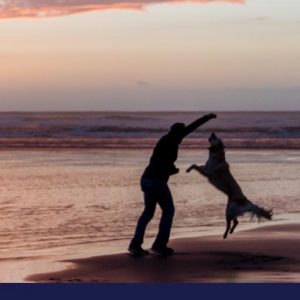
Why Walking Your Dog Is Important
Walking your dog is an extremely important and rewarding activity. If you need motivation, here are some reasons to begin this crucial daily activity. […]

![]()
Tips For Exercising Your Dog At Home
As with humans, the amount of exercise a dog needs every day is dependent on age and health, but breed needs to be considered as well. […]

![]()
The Many Health Benefits Of Walking Your Dog
There are so many benefits associated with regularly walking your dog. Simply taking dogs outside to do their business, however, doesn’t count as taking them for walks. […]

![]()
How To Play With Your Cat And For How Long
If you’re wondering how to approach the subject of cat exercise, this article is for you. Offer a variety of toys: toys for solo play such as plush toys; toys for interactive play such as feathers; […]
![]()
Boost Feline Fitness Through Play
The answer to the question, ‘Do cats need exercise?’ is YES and mental stimulation is important as well. With some cats, you may need to get creative. Luckily, boosting feline fitness through play is a great way to get your cat to exercise! […]

![]()
Enjoyable Exercises For Cats
Exercise is good for cats, especially interactive play! Here are some fun exercises your cat will probably love. […]

![]()
Why Do Cats Need To Exercise?
There are several reasons why cats need exercise and they are all tied to well-being. Physical and physiological benefits of exercise improves overall health and wellness, can increase lifespan […]
![]()
What Is Petsercise And How Does It Work?
Exercise is good for humans and dogs, so: why don’t you tackle this fun and healthy habit together? Depending on your dog’s age, fitness level and breed or size, he’ll have different needs, capabilities and preferences. […]
![]()
What You Need To Know About Dog Fitness
Dog fitness is about more than just exercise. There are a few factors to pay attention to when raising a healthy, happy and balanced dog. […]

![]()
Yoga For Dogs
Yoga remains a popular form of exercise and effective way to reduce stress. It can also incorporate meditation and the practice of mindfulness which are both beneficial habits. The question is, can yoga be good for your dog and how does it work? […]
![]()
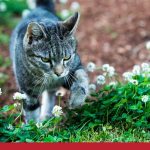
Routines For Cats
Did you know cats can benefit from routine? It doesn’t seem possible; cats do what they like, right? Well, we’ve got a little news for you. Cats actually thrive on routine! Cats are in fact creatures of habit […]

![]()
Routines For Dogs
Sometimes it’s hard to stick to our own routines, nevermind making sure our beloved pet leads a balanced life. Sticking to a certain plan – in terms of feeding, grooming, training, playing and specifically walking – can seem a bit overwhelming […]

HEALTH & WELLNESS
TRENDING
We’re excited and honoured to feature South Africa’s second largest independent animal welfare organisation on PetlifeSA.
Why Walking Your Dog Is Important
It’s healthy for every pooch and owner to get out and about frequently on long rambles or shorter strolls. Walking your dog is an extremely important and rewarding activity. If you need motivation, here are some reasons to begin this crucial daily activity.
1. Exercise
In these sedentary times of working behind a desk, many of us just don’t move our bodies enough. Stiffness, injuries from sitting incorrectly, restricted blood flow to the extremities, and obesity are just part of the price we pay to have kibble in the bowl and keep the wolf from the door. Our pups also suffer because they could be staying at home with minimal space to exercise and insufficient mental and physical stimulation. Like us, they get bored, which can lead to undesirable and possibly destructive behaviours. Even worse, your dog may get depressed and lose vigour.
Signs that your dog may be depressed (many even apply to us):
- Loss of interest in normal activities
- Change in appetite or eating habits
- Change in sleep patterns
- Self-destructive behaviours
- Increased or decreased activity levels
- Whining or barking more than usual
- Withdrawal from social interaction
- Excessive grooming or chewing
No matter what the breed, all dogs require a walk every day. Very active dogs could be walked twice a day.
Exercise in both humans and dogs lowers blood pressure and improves cardiovascular strength, which reduces stress in both owner and pet. It burns those extra calories, which day by day contribute to obesity. In both dogs and humans, being severely overweight affects the liver, can cause insulin resistance, exposes one to cardiovascular disease, and increases the chances of osteoarthritis.
2. Bonding and Enrichment
Not just a physically healthy habit, walking with our canine companion also cultivates emotional bonds. Getting to know each other’s foibles out in the wider world builds trust in the relationship and in each other. This provides a sense of security and well-being that recharges one’s physical, spiritual, and mental batteries.
Almost unavoidably, many dogs are kept inside, behind high walls, or solid fences, and can’t identify the sources of the sounds and smells surrounding them. Fortunately, a daily walk outside keeps them oriented, and aware of natural stimuli. This stops them being frightened of strange sounds, and their alarmed barking at the slightest provocation. Since you and your dog form a pack, with you as the leader, your confidence in all areas of life is reassuring to them. There is no better opportunity to practice your calm and steady demeanour than out where life is full of thrilling new experiences.
3. Training
Taking dog treats with you to help train your dog to walk calmly next to you will provide faster results. Teaching new tricks makes the outing more stimulating than a simple stroll.
4. Socialisation
Companion dogs that spend a lot of time alone may either be lonely, fearful, and timid or hyperactive and destructive. Getting out on a walk frequently involves meeting other mutts and such socialising could help them shake off these behaviours and form friendships. Being pack animals, dogs learn acceptable conduct from other dogs. Properly managed, this can make the activity especially fun and reassuring for your canine chum. Regularly sharing a greeting, a smile, and a word or two with other dog walkers or cheerful neighbours also benefits the owner’s sense of community.
5. Mental Health
A relaxing walk improves the mental health of dogs and owners. People with balanced healthy lifestyles are less likely to suffer from serotonin deficiencies meaning that overall, their happiness levels are higher. The same applies to your pooch. Dogs become bored at home and walking provides vital stimulation for all their senses, particularly hearing, smell, and sight.
As many studies and personal experiences confirm, our mental health is improved by being out and exercising a bit with our furry friends. In response, we earn their unconditional devotion, which is known to have many positive influences on us and is a reward in itself.
Related Articles


HEALTH & WELLNESS
TRENDING
We’re excited and honoured to feature South Africa’s second largest independent animal welfare organisation on PetlifeSA.
TIPS FOR EXERCISING YOUR DOG AT HOME
As with humans, the amount of exercise a dog needs every day is dependent on age and health, but breed needs to be considered as well.
To make sure that your dog is getting exercise at home, consider these easy tips that will stimulate your dog both mentally and physically.
Mind Puzzles
Dogs love mental challenges. There is a great variety of dog puzzles and games to choose from or get creative. Cut several holes into a water bottle and put your dog’s favourite treats inside. Your dog has to spin the bottle around using its paws to make the treats fall out. The more holes you make in the bottle, the easier it will be for your dog to get the treats.
Treat Dispensing Toys
These toys use the best motivation for your dog, namely tasty food! Treat dispensing toys usually dispense treats when your dog interacts with it.
Cup Game
Use several cups or bowls and allow your dog to watch you place a treat under one of them. Shuffle the cups thoroughly and let your dog find the one with the treat.
‘Which Hand’ Game
Hold a treat in your hand, close your fists and show both hands to your dog. Let your dog choose which hand the treat is in by sniffing your fists. Remember to reward your dog with the treat.
Stairs
Running up and down the stairs is great for building muscle. Make sure not to push your dog too hard, as this exercise is just as strenuous for dogs as it is for people. Take special care with dogs that have longer backs and shorter legs.
Hide-and-seek
This all-time favourite gets your pooch moving and provides great mental stimulation. Stash treats in hidden places in your home and teach your dog to find them. Make sure to change the hiding places to keep the game interesting. You can also play hide-and-seek together and tell your dog to sit in a room while you go hide, then call your dog and let them find you.
Treadmill
With careful training, your dog can learn to love treadmill workouts and build endurance. Do not leash your dog while exercising, just keep an eye on them and give them treats from the front end of the treadmill.
Tug
Most pooches enjoy a game of tug which not only builds muscle, but also the human-animal bond. Make use of the wide variety of tug toys available or make your own.
Agility
You don’t need a big space to create your own agility course. Make use of household supplies such as boxes, hula hoops, ottomans and broom handles.
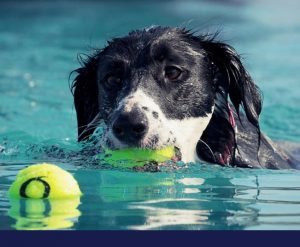
Swimming
If you have a pool at home, swimming is great exercise, weather permitting. Swimming is also great for dogs with joint problems, as it provides low-impact exercise. Use a life jacket to help your dog stay in the water longer for workouts.
Fetch
Make it more interesting by alternating between balls, frisbees or other prized toys to keep your dog’s attention.
Obedience
Practising recall and retrieving and reinforcing basic commands offer mental stimulation as well as exercise. Spice up your dog’s life and teach him to do fun tricks such as twirling, weaving, high fiving, dancing, opening and closing doors or even speaking.
Give Your Dog a Job
If you’ve trained your pooch obedience, as well as the names of some household objects, give your dog some chores. You can teach your dog to gather clothes from the floor and take them to the laundry basket, to bring you things or to tidy up toys after playtime.
Sniffari
Take your dog on Sniffari in or around your home and turn their favourite activity into a rewarding game. Make use of mats, hula hoops, tents, chairs, tables, old shoes, boxes, feathers, twigs and different containers to add different dimensions and physical and tactile challenges. Present interesting odours (a little dried ginger powder, cinnamon or other non-toxic food smells) in different ways – up high, down low, under or behind obstacles, in tubs/boxes, laid out with plenty of space in between each obstacle. Make sure the items are safe and do not contain any substances toxic to dogs.
Related Articles


HEALTH & WELLNESS
TRENDING
We’re excited and honoured to feature South Africa’s second largest independent animal welfare organisation on PetlifeSA.
The Many Health Benefits Of Walking Your Dog
There are so many benefits associated with regularly walking your dog.
Simply taking dogs outside to do their business, however, doesn’t count as taking them for walks. Unfortunately this is the only time some dogs get to spend outdoors and it’s not enough.
WHY WALKING YOUR DOG IS SO IMPORTANT
When done daily and for an appropriate amount of time, this simple activity can have many positive effects that enhance overall well-being.
PHYSICAL HEALTH BENEFITS
General
- Removes toxins
- Slows down ageing
- Boosts immune system
- Can help alleviate or reduce skin conditions
- Improves mobility by keeping the joints active
- Reduces risk and/or severity of health conditions
- Detoxes the body by improving respiration as well as blood and lymph fluid circulation
Regular walks are good for a dog’s gastrointestinal and urinary systems and can help:
- Prevent constipation
- Prevent bladder infections
- Regulate the digestive tract
Regular walks help with weight management which in turn:
- Keeps obesity at bay
- Improves quality of life
- Increases life expectancy
- Reduces risk of heart problems
- Reduces risk or severity of osteoarthritis
MENTAL HEALTH BENEFITS
Walks can help:
- Alleviate boredom
- Stimulate the mind
- Release excess energy
- Improve brain function
- Reduce stress and anxiety
- Promote uninterrupted sleep at night
- Reduce or eliminate destructive behaviour
EMOTIONAL BENEFITS
Dog walks:
- Are a great way to give attention and quality time
- Strengthen the bond between dog and dog parent
- Can reduce or eliminate attention-seeking behaviours
BENEFITS FOR PEOPLE
Dog parents benefit greatly from dog walks as well as it:
- Improves one’s mood
- Gives one time to reset
- Motivates one to exercise
- Decreases anxiety and stress
- Can help you make new friends
- Promotes bone, joint and muscle health
- Is an activity with a reliable exercise buddy
- Can lead to more time in nature which increases well-being
- Promotes cardiovascular fitness and decreases risk for cardiovascular disease
WALKING YOUR DOG IN SUMMER
The season doesn’t change your dog’s need for exercise, but you do need to adjust your approach to ensure everyone’s safety.
Related Articles


HEALTH & WELLNESS
TRENDING
We’re excited and honoured to feature South Africa’s second largest independent animal welfare organisation on PetlifeSA.
HOW TO PLAY WITH YOUR CAT AND FOR HOW LONG
If you’re wondering how to approach the subject of cat exercise, this article is for you.
HOW TO PLAY WITH YOUR CAT
Offer a variety of toys.
- Toys for solo play such as plush toys
- Toys for interactive play such as feathers
- Battery-operated toys for supervised play
Appropriate toys are wonderful because they: encourage cats to exercise; appeal to their predatory instincts; provide mental stimulation; and help prevent boredom and stress that can cause your cat to act out.
Provide objects to explore.
Cats are naturally curious and like to investigate. We already know cardboard boxes and paper bags in different shapes and sizes are great. For added fun, poke some holes in some of the boxes.
IMPORTANT: DON’T LEAVE PLASTIC BAGS LYING AROUND.
HOW LONG SHOULD PLAY SESSIONS BE?
How much playtime your cat needs depends on his or her age, weight, personality and existing health conditions.
In general, health and behaviour experts reckon that daily playtime should range between a minimum of 15 and a maximum of 60 minutes. If your daily playtime is between 30 to 60 minutes, split the sessions up into 15-minute bursts.
Sticking to a schedule and staying consistent is recommended.
ADVICE ON PLAYING WITH CATS THAT HAVE HEALTH ISSUES
Gentle, gradual exercise is best for cats with health issues. After all, the goal is to promote well-being while avoiding injury.
Things to keep in mind while exercising your cat if he or she has health issues:
- Joint health
- Energy levels
- Breathing rate
- Vital signs such as heart rate.
To be safe, you should discuss your exercise routine with a veterinarian.
Related Articles


HEALTH & WELLNESS
TRENDING
We’re excited and honoured to feature South Africa’s second largest independent animal welfare organisation on PetlifeSA.
BOOST FELINE FITNESS THROUGH PLAY
The answer to the question, ‘Do cats need exercise?’ is YES and mental stimulation is important as well.
With some cats, you may need to get creative. Luckily, boosting feline fitness through play is a great way to get your cat to exercise!
Here are a few exercises and activities that can be turned into games:
LET THE HUNT BEGIN!
Cats have predatory instincts. Often these instincts are dormant, but most kitties are ready to pounce when prompted.
One way to initiate exercise is to appeal to their inner hunter by presenting ‘prey’ and challenging them to ‘catch’ it.
You can use a plush toy to tease them for a while before throwing it. This way, they can enjoy the thrill of the chase and get rewarded for the ‘catch’.
RELY ON ROBOTS
Mechanical toys help keep your hands and feet out of play. Their unpredictability also adds to the appeal. The result? Challenging and stimulating play that, well, gets them to exercise.
Examples of battery-operated toys include:
- Toys that mimic the movements of mice
- Toys that fling strings around or dangle feathers
- Motion-activated objects such as balls moving in a closed circuit
- Objects filled with catnip that move around
Supervised play is advised for some toys, just in case.
CALLING ALL CAT APPS
There are smartphone and tablet apps that have been created for cats that can keep them busy for a while. Ask your veterinarian if it’s OK for your cat to use these apps and perhaps try to keep screen time to a minimum.
PUZZLE PLEASURES
Combine treats with puzzles for physical and mental exercise, complete with a reward.
You can purchase special toys or research DIY ideas for cost-effective solutions.
Related Articles


HEALTH & WELLNESS
TRENDING
We’re excited and honoured to feature South Africa’s second largest independent animal welfare organisation on PetlifeSA.
ENJOYABLE EXERCISES FOR CATS
Exercise is good for cats, especially interactive play!
Here are some fun exercises your cat will probably love:
Plus One, Please
When it comes to exercise, cats are more likely to get some if they have a friendly feline friend to chase and wrestle with.
Lots of Toys
Toys can really promote play. The key is to have lots of options. Opt for inexpensive DIY items as well, such as jingle balls in plastic bottles.
To the Tower!
Cat towers with several tiers can work really well. They encourage cats to climb and play and they often have a space for resting.
Kitty Hockey
So simple: Get a large box or just use your bathtub, insert a ball and presto: you have a hockey rink for Ringo.
Let the Laser Lead the Way
Laser pointers tend to really get cats moving. Just be sure to always avoid the eyes and offer a ‘catchable’ toy after play as a reward.
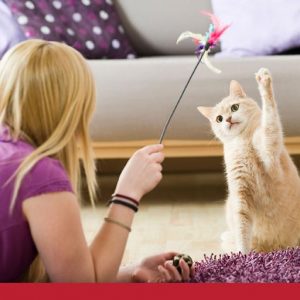
With the Wave of a Wand
Features to look for: a flexible wand with a ‘target’ attached to it. Think feathers or fake mouse. It’s basically fishing for cats. It’s easy to make your own as well.
Supervised Treadmill Time
Ideally, start young and entice them with toys. Just don’t leave your cat alone while the treadmill is still running.
Go for a Walk
Cats can be trained to wear a harness and leash for walks. If you’re keen to try it, use safe, comfortable equipment and research appropriate leash training methods.
A is for Agility
Dogs and horses are not the only ones that can be trained to use an agility course. This exercise is especially great for cats with lots of energy. Build or buy a safe obstacle course that offers a variety of challenges. Think tunnels, ramps…
Related Articles


HEALTH & WELLNESS
TRENDING
We’re excited and honoured to feature South Africa’s second largest independent animal welfare organisation on PetlifeSA.
WHY DO CATS NEED TO EXERCISE?
There are several reasons why cats need exercise and they are all tied to well-being.
PHYSICAL AND PHYSIOLOGICAL BENEFITS OF EXERCISE
- Improves overall health and wellness
- Can increase lifespan: healthy cats live longer
- Keeps body weight in check: healthy weight = better, longer life
- Tones and strengthens muscles: the muscular system is one of the largest systems in a cat’s body
Besides struggling to reach their favourite resting spots, overweight and obese cats are at higher risk of diseases and conditions. Examples of health problems often found in overweight and obese cats include arthritis, breathing problems, diabetes mellitus and urinary tract disease. There is also an increased risk of medical complications during surgery.
EMOTIONAL AND MENTAL BENEFITS OF EXERCISE
Disguising exercise as play is a great way to boost your cat’s well-being.
Decent playtime achieves the following:
- Keeps the mind active and alert: staying sharp is important
- Offers enjoyment and entertainment: cats are fun creatures
- Doubles as important bonding time which is also good for your health
- Provides challenges to help prevent boredom and mischief: cats are intelligent
- Helps relieve stress: unchecked stress and anxiety can lead to behavioural issues
So, in a nutshell, cats need exercise to stay happy and healthy.
Related Articles


HEALTH & WELLNESS
TRENDING
We’re excited and honoured to feature South Africa’s second largest independent animal welfare organisation on PetlifeSA.
WHAT IS PETSERCISE AND HOW DOES IT WORK?
Exercise is good for humans and dogs, so why don’t you tackle this fun and healthy habit together?
Depending on your dog’s age, fitness level and breed or size, he’ll have different needs, capabilities and preferences.
The trick is to start slow, keep sessions short and try different exercises to see what works.
Things to think about:
- A short warm up is important
- Exercise before feeding or a while after feeding
- Is the environment safe (from traffic, other dogs, etc.)
- Make sure there are no dangerous objects in the way
- Ensure young children are supervised/can’t get hurt
- How fit are you? Neither of you should overdo it
- Have enough water available for both of you
- Clean up after your dog in public areas
- How safe is the surface you’re using?
- What’s the weather like?
The smartest and safest thing to do is speak to your veterinarian about your petsercise ideas and plans. We will suggest a few examples, but not all of them are suitable for all dogs.
1. FOOTBALL
It’s easy; there are different ways to handle the ball; and more than one person can play.
Benefits: cardio, toning, fitness, social, ball skills, agility, coordination, speed and endurance.
Note: your dog should not be able to swallow the ball.
2. BEACH BATS
Hit the ball with a beach bat and race each other to retrieve the ball.
Add a friend and make your dog run back and forth, but allow him to ‘win’ the ball every now and again.
Benefits: workout for biceps, triceps and shoulder muscles (plus cardio if it’s just you).
Note: not for dogs with joint issues or dogs prone to joint diseases; use a ball your dog can’t swallow.
3. WALKING/HIKING IN NATURE
Start slowly (max 30 minutes).
Uneven terrain has many benefits.
Benefits: train legs, bottom and thigh muscles.
Note: not always suitable for small dogs and dogs with orthopaedic problems.
4. JOGGING
Brisk, 30-minute walks should be easy before you attempt jogging.
You can do slow jogs or interval sessions (bursts with recovery sessions).
Benefits: supercharge metabolism and fitness levels.
Note: It’s very important to make sure you don’t trip over each other and that your pace is suited to your dog.
5. INLINE SKATING
Wear the proper protective gear and use the right lead. Start in flat areas and stay away from traffic.
Benefits: tone leg muscles and bottom; cardio workout.
Note: Your dog needs to respond to commands.
6. CYCLING
Mountain bike adventures are ideal. You don’t want to be near traffic. Your dog needs to respond to commands and have exceptional leash manners if you’re using a leash.
Benefits: low impact toning and cardio exercise; good for upper-body muscles as well as your legs, bottom and thigh muscles.
Note: Stay away from areas with traffic.
7. FRISBEE
Keep abdominal muscles tight and if playing with a friend, throw the frisbee so that you’ll need to jump to catch it.
Benefits: tone arms and stomach muscles.
Note: Don’t play this game if your dog has any issues with his mouth or has joint or ligament issues/diseases. Your dog shouldn’t be encouraged to make ‘twisting’ jumps. Consider the speed and level you’re throwing at.
8. JUMPING/HOPPING AND FETCHING
Play fetch with your dog. While he’s busy retrieving, do one-legged hops (alternate legs between hops); two legged jumps (up and down, to the side or backwards and forwards); and jumping lunges.
Benefits: develop speed and strength; tone.
Note: play fetch and exercise in a safe area. Avoid this exercise if you have joint problems.
9. CIRCUIT AND AGILITY
20-minute sessions that include climbing, jumping and crawling (over/under/around/through) objects and obstacles is great for the body. Keep it simple and keep your heart rate up.
Benefits: burn fat and develop muscles; tone, strengthen and stretch; improves balance; builds confidence.
Tip: use commands, body language, toys and/or treats.
10. SWIMMING: Breaststroke
Choose a safe place where both of you are allowed to swim. The water shouldn’t be too cold.
Benefits: strengthen chest muscles; tone arms, back and legs.
Note: Don’t swim alone / if there’s nobody else around.
Petsercise was developed by fitness instructor Nikki Waterman and members of the Pet Health Council. Veterinary advice provided by Alex German and Shelley Holden of the University of Liverpool.
Related Articles


HEALTH & WELLNESS
TRENDING
We’re excited and honoured to feature South Africa’s second largest independent animal welfare organisation on PetlifeSA.
WHAT YOU NEED TO KNOW ABOUT DOG FITNESS
Dog fitness is about more than just exercise. There are a few factors to pay attention to when raising a healthy, happy and balanced dog.
FOOD AND ACTIVITY LEVELS
The best quality food on the market is often very expensive and not an option most people can afford long-term.
Consider your options carefully, talk to your veterinarian and choose a good brand you can afford. After all, choosing the cheapest food may end up costing you more if it affects your dog’s health.
Clean water is also important and, of course, regular exercise that meets your dog’s needs.
TRAINING THE BRAIN
It’s important to offer mental stimulation. A win-win solution here is training that offers stimulation and obedience! Teach your dog as many tricks and commands as possible.
Here you can also work in tricks that rely on exercise. The right toys can also be stimulating, for example, challenge him with treats hidden in durable toys (think Kong Pet Toys).
Appropriate distractions also reduce time spent on developing unwanted behaviour.
DON’T KEEP YOUR DOG AWAY FROM OTHER CREATURES
The last thing you want is a dog that’s scared, anxious or aggressive.
As part of his weekly routine, introduce your dog to new people, other dogs (as well as other pets if possible) and new stimuli (sounds, smells, sights and tastes).
You want your dog to be happy, confident, feel safe and play nice.
YOUR FAMILY IS HIS PACK
Interaction is so important for most dogs because they’re not animals that live in isolation.
It’s one thing to add a dog to the family dynamic, but it’s another to actually make him feel part of the family. Show your dog affection, give him attention and let him meet other dogs.
Make time to bond and, if possible, take him with when you go for runs or on a trip.
Related Articles


HEALTH & WELLNESS
TRENDING
We’re excited and honoured to feature South Africa’s second largest independent animal welfare organisation on PetlifeSA.
YOGA FOR DOGS
Yoga remains a popular form of exercise and effective way to reduce stress. It can also incorporate meditation and the practice of mindfulness which are both beneficial habits. The question is, can yoga be good for your dog and how does it work?
Dog yoga (or doga) classes are becoming more and more popular around the world, especially in America, Japan, England and Australia. In fact, those who have tried it love it. During a class, you get to spend one-to-one quality time with your best furry friend. This is not only good for your relationship, but also for your physical health. Your pooch also gets an opportunity to socialise, which is very healthy and stimulating. Yet, at the end of the class the dogs are usually as relaxed and calm as their owners.
Some practitioners feel that doggy yoga brings them and their pets closer to each other and that they share the same energy. After all, classes can include anything from petting and cuddling to staring into each other’s eyes.
Usually, the dogs are guided through a few gentle poses, but often they just stay close to their owners and hang or lie around. Doga can also include massage and meditation. Some classes even end with Shavasana, also known as Savasana, or corpse pose. Basically you lie on your back, with your legs comfortably spread out, arms relaxed next to your body, with palms facing up or down.
In Barking Buddha: Simple Soul Stretches for Yogi and Dogi, former Seattle yoga and doga instructor, Brenda Bryan, explains why dogs are ideal yoga companions:
“They’re in the moment and all about union because they’re pack animals. And that’s what yoga is all about. It’s all about being in the moment and developing a sense of oneness. Dogs are natural healers and it’s nice to bring them onto our mats and incorporate them into such a healing practice.”
Here are a few dog poses in doga:
- Chaturanga: Stroke your dog’s back as he or she lies on their stomach.
- Chair: Ask your dog to sit and hold him from behind while raising the front paws in the air.
- Inner Dog Mudra: Created by Brenda Bryan, this one is all about connecting the energy of your minds by resting your foreheads on each other.
Doga might not be for all pet parents and many might even think it’s silly. If it doesn’t make your dog anxious and he or she seems to enjoy it, then why not? Any quality time and physical attention is better than nothing.
WHAT YOU NEED TO KNOW ABOUT DOGA
- There are different types of doga.
- Certification for instructors is not available (yet).
- Dogs of any size can do doga, even if you can’t pick them up.
- At some classes, dogs simply hang around; at others they participate.
- If your dog resists movement, stop. The experience should be pleasant.
- Never force your dog into any pose; it’s about building trust and bonding.
If you’re still not convinced, consider this question from Brenda Bryan: “Who doesn’t want to get stretched and massaged and paid attention to for an hour?”
Related Articles


HEALTH & WELLNESS
TRENDING
We’re excited and honoured to feature South Africa’s second largest independent animal welfare organisation on PetlifeSA.
ROUTINES FOR CATS
CAT ROUTINES
Did you know cats can benefit from routine?
It doesn’t seem possible; cats do what they like, right? Well, we’ve got a little news for you. Cats actually thrive on routine!
WHY ROUTINE IS GOOD FOR CATS
Cats are in fact creatures of habit and they do well when there’s a routine in place for them.
You might not know what your cat is up to each day, but your furry feline has a pattern they stick to. This makes sense because they are essentially territorial.
So, a household routine that works with your schedule can guide your cat and help him or her feel safe and confident.
WHAT HAPPENS WHEN ROUTINE IS DISRUPTED?
It has been found that disruption of routine can actually cause physical health problems.
A study (funded by the National Institutes of Health) at the Ohio State University studied 32 cats to explore the effects of stress. 12 Cats were healthy; 12 had feline interstitial cystitis (FIC) which affects the bladder and urinary tract in terms of usually painful inflammation.
When either their daily routine or environment was altered, the healthy cats fell ill 1.9 times a week, while the other cats got sick twice a week. Once the stress was eliminated, health levels became normal again. This finding is quite significant.
CONCLUSION
A routine needs to be in place and you need to stick to it to keep your cat healthy, happy and stress-free. It’s all about consistency; a system you both can rely on.
However, life happens and sometimes you need to make changes to adapt. In this case, try to introduce any new developments bit by bit. What seems like a small change for me and you (going on vacation; entertaining house guests) might come as a shock to your cat.
Related Articles


HEALTH & WELLNESS
TRENDING
We’re excited and honoured to feature South Africa’s second largest independent animal welfare organisation on PetlifeSA.
ROUTINES FOR DOGS
DOG ROUTINES
Sometimes it’s hard to stick to our own routines, nevermind making sure our beloved pet leads a balanced life.
Sticking to a certain plan – in terms of feeding, grooming, training, playing and specifically walking – can seem a bit overwhelming, especially if you don’t even like to exercise.
That’s OK. We have a few ways you can improve your dog’s lifestyle and overall wellness that will even benefit you!
If possible, work a 20 – 30 minute walk into your daily schedule and try to stick to it. Choose a time that makes sense, for example before starting dinner; in between chores; after gym, etc.
Think of it like this: it’s also a time for you to clear your head and recharge before tackling the next item on your to do list.
The time you spend with your dog will be appreciated and it helps to establish and maintain your position as the leader.
To make the most of your time together (mentally and physically), consider the following insights and tips:
- Routine: Dogs thrive on a set routine.
- Attention: Dogs need love and attention. Make time to show affection.
- Exercise: Offer frequent exercise opportunities in a stimulating, fun and safe environment.
- Feeding Time: Try to stick to the same feeding time every day, or at least within 30 minutes of it.
- Sleep: Your dog needs sleep as much as you do. Make sure he or she has a comfortable, quiet place to rest, whether that’s in a plush doggy bed or in a crate. Try to keep your bed dog-free. Dogs should know they have their own space, plus you’ll get a good night’s rest as well.
- Potty Breaks: If your dog cannot access outside areas, it’s important to offer enough opportunities for relief.
Here are some schedule tips you can try to use or adjust so it works for you:
- Set aside 10 minutes every day for training.
This is an opportunity to bond and teach your pup obedience which will help a lot in the future. Remember, it takes time to master tricks, so be patient. The benefits are worth it.
- Grooming and taking care of hygiene is very important.
Dogs groom themselves, but when it comes to pests (ticks and fleas), nails, ears and eyes, some intervention is needed. These needs can be taken care of as part of your grooming routine at home, but doggy parlours are also an option if you don’t feel comfortable with certain parts, for example cutting nails.
That’s it! You’re ready to step up your game and make the most of walking, feeding, grooming and training. Enjoy!
Related Articles