



A Helpful Guide To Auto&General Pet Insurance For Your Companion
If you’ve ever found yourself whispering “Please be okay” in a vet’s waiting room, you already understand the quiet courage that comes with loving a pet. It’s about showing up for them, on their best days and especially on their hardest ones. […]

![]()
Dog-Friendly Beaches In South Africa
Dogs love to run free, and there is nothing more fun for them to run off the leash on the beach, but there are some rules and considerations that need to be taken into account. […]

![]()
Why Do Cats Knead? The Science Behind A Curious Behaviour
Cat owners are familiar with the peculiar behaviour known as “kneading,” where cats rhythmically push their paws in and out against soft surfaces. This article explores the scientific understanding behind this intriguing feline behaviour. […]

![]()
The Unique Challenges Of Indoor Living For Cats
As responsible cat owners, we cherish our feline companions and strive to provide them with the best care possible. However, when our beloved cats live exclusively indoors, they encounter unique challenges that require thoughtful consideration. […]

![]()
Top Tips for Choosing A Pet Groomer
A good groomer is worth their weight in dog treats (or catnip!). They not only keep your furry friend looking sharp, but also play a vital role in their overall health. […]

![]()
How To Introduce A Cat And Dog
Introducing a cat and dog can be a rewarding experience for everyone involved, but it’s crucial to do it slowly and carefully to avoid stress and potential conflict. […]

![]()
The Best Cat Breeds For Families With Children
Cats can make excellent companions for children, but they may pose potential risks. […]

![]()
How To Choose The Right Pet For Your Lifestyle
Choosing a pet is a significant decision that requires careful consideration. It is a long-term personal commitment that should reflect your lifestyle, preferences, and resources. […]

![]()
Kitty Communication: Body Language
Cats are not as domesticated as dogs and are suspected of seeing their owners mainly as a source of sustenance and comfort. […]

![]()
Are Cats As Domesticated As Dogs?
The question can only be answered by first understanding what “domestication” and “tame” mean. […]

![]()
Recipe: Chicken & Catnip Treats
Make these chicken & catnip treats to find a quick way to your feline’s heart. […]
![]()
Recipe: Cheesy Cat Treats
Make kitty smile with these homemade cheesy cat treats. […]

![]()
Recipe: Pumpkin & Peanut Butter Cookies
Show some love by spoiling your dog with these homemade, slightly crunchy cookies. […]

![]()
Recipe: Chicken & Veggie Meal
A simple, homemade, nutritious and yummy meal for your canine. […]

![]()
Recipe: Liver Biscuits For Dogs
Liver is packed full of nutrients that can benefit your dog’s health and wellbeing. Your dog will love the flavour of these biscuits. Happy baking! […]
![]()
Recipe: Chicken Balls
An easy, fun, one-bowl recipe that will win over the feline in your life. […]

![]()
Recipe: Chicken Biscuits For Cats
Looking for the purr-fect way to show kitty some love? Head to the kitchen and make these tasty chicken biscuits today. […]

![]()
Pet Etiquette In The Workplace
By maintaining a high standard of pet etiquette at work you will ensure a happy welcome from your employer and co-employees. […]
![]()
Cat Repellents For Your Garden
Cat doo doo in the garden isn’t just a nasty inconvenience, it can be a genuine health hazard. […]

![]()
Most Popular Dog Breeds
It’s been proved by millions throughout the centuries and there remains no doubt about it, the world’s best dog is the one that owns you. […]

![]()
Most Popular Cats
Cat fancier or not, it’s almost impossible to resist the ice-blue eyes of a Siamese, the silky luxuriance of a Persian, or the sinuous grace of an Abyssinian. […]

![]()
Teaching Deaf Dogs Sign Language
According to world-famous dogspert, Cesar Milan, as with all canine training, the keys to setting the stage for learning sign language are Connection and Communication, which leads to a secure Relationship. […]

![]()
What To Look For On Pet Food Labels
“Crude ash content 5%, moisture content 12%, fibre content 3%, steak flavoured meal”; Such statistics and this type of wording are all found on pet food packaging but a straw poll among pet owners will quickly reveal that few know what these values and claims mean. […]

![]()
Knowing More About Service Dogs
A competent, loyal, and loving service dog is a blessing to its owner. Some are trained specifically to help people with physical disabilities while others provide emotional and psychiatric support. […]

![]()
Doggy Communication: Body Language
A rarity in the animal kingdom, dogs’ powerful communication strategies allow attentive humans to understand them. Having lived in close proximity for thousands of years, understanding dingo-lingo is second nature to some, but many of us, especially those nervous of dogs, are often confused about what these signs actually mean. […]

![]()
Dog Park Safety
Pet owners have many responsibilities, and among them, safety and health are the top priorities. Luckily, ensuring that your dog stays safe and fit is a lot simpler than it sometimes seems. […]

![]()
Holiday Tips for Pet Owners
Holidays should be fun, whether travelling to family, or family coming to you, getting away for a work break, or from the household routines. But what if you have four-legged kids as well? […]

![]()
Allergies In Pets Are Real
Our pets’ allergic reactions could easily be overlooked since nibbling at their extremities and occasional scratching are often the norm. However, such fidgeting may hint at underlying problems that have gone unnoticed. […]
![]()
Hot Tips For Summer
Summer can often be uncomfortably hot, especially for our fur-babies. That’s why pet parents should always be considerate of their quadruped companion’s ability to cope with high temperatures. […]

![]()
Should You Bathe Your Cat?
That cats don’t enjoy a water drenching can cause anxiety for pet owners when Kitty needs a bath. This means finding the safest and least painful way of taking on this chore. […]

![]()
Benefits Of Pet Insurance
Every one in three pets will need emergency treatment each year. No matter how careful and responsible we are, our pets’ lives come with uncertainties. […]

![]()
Dogs And Boots
Dogs’ paws are naturally made to withstand rough surfaces, but with extreme temperatures their paw pads may get worn out and thus create a painful experience for them. […]

![]()
International Dog Day
Canines have a millennia-long history of close relations, loyalty, friendship and companionship with humans. Take time to celebrate the incredible bond between humans and dogs of all breeds, mixed and pure, and contribute to and support homeless and abused dogs. […]

![]()
International Cat Day
International Cat Day is a day to raise awareness and celebrate one of man’s most common and ancient pets and learn about ways to help and protect felines. […]

![]()
Take Your Pet To Work Day
Dogs have been man’s best friend from the very beginning and worked alongside us, hunting, tracking and even keeping man safe at night. […]

![]()
Fun Ways To Spend Best Friend’s Day With Your Dog
Best Friend’s Day is celebrated on June 8th and the perfect time to show our furry friends just how much they are appreciated. […]

![]()
National Dog Party Day
National Dog Party Day is celebrated on June 21st and it’s a fun holiday for all pooches to let loose. […]
![]()
The Importance Of Pets In Our Lives
Pets are part of our everyday lives and play a key role in human health and recovery. […]

![]()
Pets That Survived Cancer
Talking about cancer is not fun and to many, cancer is a scary word that equals pain and suffering. […]
![]()
Microchipping Your Pet
Microchipping your pet has become one of the most important parts of pet ownership. […]

![]()
The Benefits Of Pet Ownership
Owning a pet is beneficial for your overall health and well-being. Petting, holding or cuddling a pet increases the levels of serotonin and dopamine in our bodies, which are feel-good, calming brain chemicals. […]
![]()
National Kids & Pets Day
National Kids and Pets Day is celebrated on April 26 to acknowledge the special bond children and pets share and help bring awareness to the plight of pets in shelters awaiting new homes and a second chance. […]

![]()
The Tempting World Of Pet Tech
“At its current growth rate, the smart pet market should reach $1 billion by 2023.” […]

![]()
Dog Food Thoughts: How Much Do You Know About Kibble?
Kibble, in a nutshell, is ground up ingredients shaped into pellets. […]

![]()
The Dangers Of Noncompliant Dog Food
While many companies may be complying with pet food laws, there are still cheap and unregulated foods of very poor-quality out there. […]

![]()
Recipes: Fishy Homemade Food for Cats
If you want to make fishy homemade treats for your cat, this is the article for you! […]

![]()
Pet-Positive Resolutions For 2026
Let us start the New Year with Pet-Positive Resolutions and as the saying goes, “out with the old and in with the new”. […]

![]()
Grooming Your Cat
Felines are well-equipped to tackle their own hair care needs, but if your cat is very dirty, sticky or smelly, she may need a little help. […]

![]()
Grooming Your Dog
When grooming your dog, it is important to always stay calm and bring on the treats! The grooming experience should be a positive one, and stress-free for both you and your pet. […]

![]()
Recipe: Tuna & Catnip Biscuits
Spoil the cat in your life with these easy-to-make biscuits. […]

![]()
Recipe: Yummy Turkey Biscuits
Use some leftover turkey to make these easy homemade biscuits for your furry feline. […]
![]()
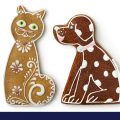
Recipe: Gingerbread Dog Biscuits
Nothing says “Happy Holidays” like a gingerbread biscuit and there is no reason for your furry family members not to partake in the festivities or stack up a few biscuits, tie with a red ribbon for the perfect gift. […]

![]()
Recipe: Festive Beef & Butternut Stew
Make this delicious stew for your pooch this festive season! […]

![]()
Recipe: Banana And Blueberry Biscuits
A quick and easy biscuit recipe that’s a tasty treat and ideal for a pooch with an upset stomach, digestive issues, older dogs or even dogs with dental issues. […]
![]()
Recipe: Pet Treats For Halloween
Halloween means sugar and spice and all things nice; lots of candy and everything coated in chocolate with icing, which no pet should eat. […]

![]()
Fun Ways To Celebrate Halloween With Pets
There are a number of great ways to celebrate Halloween with your pets. […]

![]()
Ways To Celebrate Being A Pet Dad
Our lives are busier than ever, and Father’s Day is the time of the year to consider what kind of dad you are to your pet children. […]

![]()
Reasons To Chip Your Pet
Sadly, many cats and dogs lost each year are never found and reunited with their human companions because no information is available on their identity or the contact details of the owner. […]
![]()
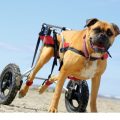
Caring For Disabled Cats & Dogs
Whether your cat or dog suffered an injury, acquired a chronic illness, was born with a disability or is facing aging challenges, your pet can still have a happy life. […]

![]()
Join #TheSafeSnapsProject
Staying at home can be annoying, boring or really tough sometimes, but it’s the right thing to do because it saves precious human lives. […]

![]()
Ways To Celebrate Being a Pet Mom
Pets are a wonderful part of our lives and a source of comfort and support. They are part of the family and being a Pet Mom has so many rewards. […]

![]()
Fun Tips On How To Keep Dogs Happy Indoors
Dogs are very social and the type and frequency of play are very important for your dog’s quality of life and to strengthen the bond with their human family. […]

![]()
How To Respect Your Cat
Did you know that 28 March is Respect Your Cat Day? […]

![]()
6 Ways To Treat Your Pet On Valentine’s Day
Our pets are probably our biggest admirers, so why not do something special for them this year? […]

![]()
10 Tips For Throwing A Top Doggy Birthday Party
Want to throw your dog a great party for their birthday or gotcha day? Take a look at these tips before you get started! […]

![]()
Unsung Heroes In The Animal Industry
International Volunteers Day (IVD), observed annually on 5 December, was designated by the United Nations in 1985 as an international observance day to celebrate the power and potential of volunteerism. […]

![]()
Recipe: Homemade Mackerel
A great and easy recipe to start making a homemade meal for the cat in your life! […]
![]()
Recipe: Easy Canned Cookies
If your cat eats a special canned food diet, use kitty’s own food to make these simple cookies. […]

![]()
Recipe: Soft Treats For Older Dogs
A recipe using baby foods that’s perfect for older dogs. […]

![]()
Recipe: Homemade Breath Mints
A tasty way to improve an occasional bad breath. […]
![]()
Recipe: Fishy Bruschetta
A quick and easy treat with lots of flavour kitty is sure to love! […]
![]()
Recipe: Catnip Biscuits For Kitty
Most cat owners know about the calming effects the herb catnip can have on their cats. Your cat will love these biscuits! […]

![]()
Recipe: Frozen Apple Summer Treats
Packed with fibre, vitamin A and vitamin C, you can’t go wrong! […]

![]()
Recipe: Baked Chicken Treats
A quick and easy way to spoil the dog(s) in your life! […]

![]()
Recipe: Homemade Chicken Dinner
A great way to combine meat and vegetables for our furry meat eaters. […]

![]()
Recipe: Puppy Cookies
Your puppy will love these healthy cookies … and they are salt free! […]

![]()
Recipe: Homemade Peanut Butter Doggie Treats
A simple, fun, one-bowl recipe that only takes 20 minutes to prepare. These yummy treats can be frozen and given to Charlie, straight from the fridge!. […]

![]()
Recipe: Dog Biscuits For Breakfast
A gluten-free breakfast biscuit made with yummy ingredients. You can join in too! […]

![]()
Recipe: Sardines
“So when I cease to be I want to go back … to the sea! Oh for the life of a sardine! That is the life for me!” (Charlie Chaplin) […]
![]()
Recipe: Homemade Chicken & Tuna
The smell of boiled chicken will make kitty come running. […]
![]()
Cool Cat Cafés Around The World
Check out these cool cat cafés found in some significant cities around the world. […]

![]()
Should Cats Wear Cardigans?
A quick Google search on the topic will reveal almost endless photos of cats sporting (often quite stylish) knits. While these images tend to tug at the heartstrings, one has to wonder: Do cats really need sweaters and do they even like wearing them? […]

![]()
Furrrendly Hikes, Walks & Parks In South Africa
There is nothing more enjoyable than spending quality time with your fur friends in nature, so grab some treats, don’t forget the water and try some of these amazing walks and hikes. […]

![]()
Why Check Your Cat Into A Hotel?
We all know cats as notorious homebodies, but sometimes our feline friends need a “home away from home” too. Sometimes a ball of yarn and a series of breakables arranged on the kitchen counter, just isn’t enough to keep them out of trouble. […]
![]()
Why a Pet Hotel Makes Perfect Sense
When you hear the words Pet Hotel, you might think about some unbearably posh mansion filled to the brim with extravagances and unrealistically expensive trinkets and toys for dogs and cats of wealthy celebrities. […]

![]()
Discover Walking & Hiking Spots In Your Province
Most dogs love exercise and practically all dogs love attention. When you take your dog for walks or hikes, both those important needs are met. […]

![]()
The Many Jobs Of Cats
Cats have many interesting jobs. Here are a few of our favourites. […]
![]()
Uncommon Facts About Dogs & Cats
Here’s a few things you didn’t know about your furry friends. […]

![]()
Recipe: Basic Dog Biscuits
These biscuits can be customised to cater for your canine’s palate by adding bacon bits, liver powder or shredded cheese. […]
![]()
Controlling Pet Hair
Many pet owners have to deal with fur on their clothing, couches and floors. Here are some tips that could help with the fur-stration. […]

![]()
Removing Urine Smells
Struggling with cat or dog urine stains and odours? We feel for you! Luckily we’ve found some tips and tricks to help you deal with fresh or older stains and ‘stinks’. […]
![]()
Where Should Your Cat Sleep?
Before you get a kitten or a cat, decide where you want her to sleep. Many cats prefer sleeping with their owners and many owners don’t mind. But what if you don’t want to share your bed? […]

![]()
Where Should Your Dog Sleep?
All dog owners are faced with this tricky question that supposedly has multiple answers. Is the answer outside, a bed, a crate, the sofa… or your bed? […]

![]()
Should Dogs Have And Wear Clothes?
Some people believe that dogs should not wear clothes; that it’s not natural or necessary. Some are concerned that the clothes may chafe the dog or prevent routine personal grooming and harmless scratching. […]
![]()
How Old Is Your Cat In Human Years?
Use the chart below to estimate the ‘Human Age’ of your cat. […]
![]()
How Old Is Your Dog In Human Years?
Use the chart below to estimate the ‘Human Age’ of your dog. […]
TRENDING
We’re excited and honoured to feature South Africa’s second largest independent animal welfare organisation on PetlifeSA.
A HELPFUL GUIDE TO AUTO&GENERAL PET INSURANCE FOR YOUR COMPANION
If you’ve ever found yourself whispering “Please be okay” in a vet’s waiting room, you already understand the quiet courage that comes with loving a pet. It’s about showing up for them, on their best days and especially on their hardest ones.
Pet insurance isn’t just about expecting the worst. It’s about preparing for life’s surprises with confidence. Think of it as a financial safety net you set up on a calm day, so you can make clearer decisions on a stormy one.
Auto&General’s Pet Insurance offers a range of cover options designed to support pet owners when it matters most. Whether your companion needs minor care, surgery, hospitalisation and post-surgery care, there’s a plan tailored to their needs.
What Auto&General Pet Insurance Usually Covers – In Plain Language
The various cover plans help with vet costs when your companion is hurt or unwell. Depending on the option, you can add day-to-day vet visits (minor care), routine wellness (vaccines, deworming, flea/tick control, microchipping, even sterilisation), hospital stays and surgery – and sometimes extras like third-party liability (if your pet accidentally causes damage) or a dignified farewell benefit.
A&G’s policy documents reflect all of these categories and explain limits, waiting periods and excesses clearly.
How Auto&General’s Cover Options Work (The Quick Tour)
A&G offers several plan types, each with an annual limit and a mix of benefits.
For example:
- Emergency Plan (accidents only),
- Hospital Plan (for bigger bills when admitted),
- Tiered Comprehensive Plans (Essential / Core / Premium) that can include minor care, routine care, surgery/hospitalisation, post-surgical care, third-party liability, post surgery care (on higher tiers) and a dignified farewell benefit.
There’s also a multi-pet discount (10% for a second pet, 15% for three or more), which is great for households with more than one companion.
How to Choose the Right Cover for Your Companion
Choosing the right cover for your companion starts with understanding their needs and your budget. Auto&General Companion Cover plans offer comprehensive protection against everyday health concerns, helping you manage unexpected vet bills without compromising on care. The goal is to find a plan that balances affordability with meaningful protection, giving you peace of mind while ensuring your pet stays healthy and happy.
A Few Practical Details to Know – So There are No Surprises
Waiting Periods: Most illness and wellness benefits kick in after one calendar month. Accident cover starts once the first premium is received.
Age at Sign-Up: Pets must be at least 8 weeks old. Small dogs younger than 11 years; medium dogs younger than 10 years; big dogs younger than 9 years and cats younger than 11 years.
Minor Care vs Hospital: Incidents treated without surgery or hospitalisation can be claimed under minor care benefit.
Pre-Authorisation for Hospital/Surgery: For planned admissions, get pre-authorisation 48 hours before; for emergencies, call as soon as your pet is stable.
Wellness Add-Ons: Routine care can include vaccinations, deworming, nail trims, anal gland expression, microchipping and voluntary sterilisation – ideal for proactive care for your companion.
Claims, Made Less Stressful
When your pet needs urgent care, the last thing you should worry about is paperwork. That’s why Auto&General makes claims quick and clear. From the moment you submit your claim, we ensure to keep you updated every step of the way. Our dedicated claims experts are always ready to guide you with clear instructions, answer your questions, and ensure the process runs smoothly and your pet gets the care they deserve.
A Gentle Final Word
They’re not just pets – they’re your constant, your family, the heartbeat in your home. Every wag, every purr, every quiet moment together matters. At Auto&General, we understand that bond, and that’s why we created Companion Cover – pet insurance designed to protect their health and happiness, so you never have to choose between care and cost. With flexible plans, wellness benefits, and cover for life’s unexpected moments, we give you certainty and peace of mind because loving them means being prepared.
How to Get a 10% Discount
All Auto&General Pet Insurance customers will receive a 10% discount on their monthly premiums if they get a quote and buy the pet insurance policy online. *Ts & Cs apply.
Related Articles
TRENDING
We’re excited and honoured to feature South Africa’s second largest independent animal welfare organisation on PetlifeSA.
Dog-Friendly Beaches In South Africa
Pro Tips for a Paw-some Beach Day – Just a Little Woof and You’re Good to Go!
Dogs love to run free, and there’s nothing more delightful for them than frolicking off the leash on the beach!
Here are some friendly guidelines to keep in mind:
Scoop the Poop: Always carry a packet to pick up after your dog. Nobody enjoys an unexpected surprise underfoot!
Follow the Signs: If the beach has a “Dogs on a Leash” sign, please respect it. It keeps your dog and others safe.
Respect the Rules: Pay attention to any beach-specific rules about dogs to ensure a joyful day out.
Stay Aware: Not everyone is comfortable around dogs, and their excitement might be misunderstood. Be mindful of your surroundings.
Watch Your Dog: Keep your dog away from restricted or crowded zones – no one likes a wet, sandy dog shaking all over their towel!
Voice Commands: Ensure your dog is well-trained and responds to your calls.
Ready to enjoy the beach with your furry best friend? Check out our list of dog-friendly beaches.
Atlantic Seaboard
Sea Point Promenade
– Leash up at all times! Fines are applicable here.
Mouille Point Beach (Granger Beach):
– Dog Hours: All day, every day! Your dog’s tail can wag from dawn to dusk.
– Leash: Let your dog run wild, but maybe keep them on a leash for safety’s sake.
Camps Bay Beach:
– Dog Hours: Your pooch can run free early morning and late evening (before 9 AM and after 6 PM from Nov-Mar).
– Restricted Hours: No doggy beach time from 9 AM – 6 PM during the busy summer months.
Clifton 1st Beach:
– Dog Hours: Clifton 1st is a favourite spot where dogs can roam freely.
– Leash: No leash needed, just let them enjoy the sand, but remember they can’t hang out on Clifton 2nd, 3rd, or 4th beaches.
Llandudno Beach:
– Dog Hours: Your dog is welcome before 9 AM and after 6 PM, but keep them leashed when the crowds are out from Nov to Mar.
– Restricted Hours: Dogs must stay leashed from 9 AM – 6 PM.
Sunset Beach:
– Dog-Friendly Beaches: Sunset Beach is a beautiful spot for dogs to run freely.
– Leash Requirements: Dogs can run freely.
– Restricted Hours: Dogs are not allowed between 9:00 AM and 6:00 PM from November to March.
Bloubergstrand Beach:
– Dog-Friendly Beaches: Bloubergstrand is a popular spot for both dog owners and beachgoers.
– Leash Requirements: Dogs must be leashed at all times.
– Restricted Hours: Dogs are allowed before 9:00 AM and after 6:00 PM from November to March.
Melkbosstrand Beach:
– Dog-Friendly Beaches: Melkbosstrand is a popular spot for dog owners.
– Leash Requirements: Dogs must be leashed at all times.
– Restricted Hours: Dogs are allowed before 9:00 AM and after 6:00 PM from November to March.
West Coast Beaches
Yzerfontein:
– Dog-Friendly Beaches: Yzerfontein offers a 25 km stretch of beach where dogs are welcome. This beach extends from the town to the West Coast National Park.
– Leash Requirements: Dogs must be leashed in the swimming area just before the beach. Outside of this area, dogs can run off-leash.
– Restricted Areas: Dogs are not allowed in certain protected areas within the West Coast National Park.
Elands Bay:
– Dog-Friendly Beaches: Elands Bay is another great spot where dogs are welcome.
– Leash Requirements: Dogs should be leashed to ensure the safety of all beachgoers.
– Restricted Areas: Similar to other beaches, dogs are not allowed in designated swimming areas.
Langebaan:
– Dog-Friendly Beaches: In Langebaan, dogs are allowed between Pearly’s Restaurant and Club Mykonos.
– Leash Requirements: Dogs must be leashed in certain areas, especially near swimming zones.
– Restricted Areas: Dogs are not permitted in specific protected zones within the Langebaan Lagoon.
Gordon’s Bay
– Dog-Friendly Beaches: Gordon’s Bay offers a designated dog beach area from the northern corner of the parking area to the Fleur Park boundary.
– Leash Requirements: Dogs should be on a leash in certain areas, especially near swimming zones.
– Restricted Areas: Dogs are not allowed on the main beach but can run freely in the designated dog beach area.
Garden Route
Mossel Bay
– Dog-Friendly Hours: Dogs are allowed on certain beaches between 5:00 AM and 8:00 AM, and 6:00 PM and 8:00 PM from December 1 to January 31.
– Leash Requirements: Dogs must be leashed and under strict control at all times.
– Restricted Areas: Dogs are not allowed on Blue Flag beaches during high season.
Hartenbos
– Dog-Friendly Hours: Dogs are allowed on the beach between 5:00 AM and 8:00 AM, and 6:00 PM and 8:00 PM from December 1 to January 31.
– Leash Requirements: Dogs must be leashed at all times.
– Restricted Areas: Dogs are not allowed on Blue Flag beaches during high season.
George
Leash Requirement: Dogs must be leashed at all times in public spaces, including beachfronts, parks, sports fields, and sidewalks.
Dog-Friendly Areas: Dogs are allowed on sidewalks (tarred, brick-paved areas) of beachfronts if they are on a leash.
Muzzling: Dogs must be muzzled if they are considered dangerous, vicious, or ferocious.
Cleaning Up: Dog owners must carry enough plastic or paper bags to pick up their dog’s excrement.
Specific Beach Areas:
Wilderness Beach, Herold’s Bay, and Victoria Bay have full Blue Flag status. Dogs are not allowed on the sandy areas of these beaches to maintain their Blue Flag status. Law enforcement officers will act against those who do not adhere to the by-laws. Fines can be imposed for non-compliance.
Herold’s Bay: Dogs are allowed on the beach between the turn-off from the N2 opposite the Ebb-and-Flow entrance and The Views hotel.
Victoria Bay: Dogs are allowed in the Kleinkrantz area.
Wilderness Beach: Dogs are allowed up until the NSRI (Salina’s Restaurant). The area to the left of Salina’s Restaurant falls under SANParks1.
Gwaiing River Mouth Beach: Dogs are allowed.
Leentjiesklip: Leeintjiesklip has Pilot status for the 2024 festive season. Dogs are not allowed on the sandy areas.
Knysna:
– Dog-Friendly Beaches: Knysna offers several beaches where dogs are welcome, including Buffalo Bay and Brenton-on-Sea.
– Leash Requirements: Dogs must be leashed in designated areas, especially near swimming zones.
– Restricted Areas: Dogs are not allowed on Blue Flag beaches during high season to maintain environmental standards.
Plettenberg Bay:
– Dog-Friendly Beaches: Plettenberg Bay has specific areas where dogs are welcome, such as Lookout Beach.
– Leash Requirements: Dogs must be leashed in designated areas.
– Restricted Areas: Dogs are not allowed on Blue Flag beaches during high season.
Eastern Cape Beaches
Oyster Bay Beach:
– Dog-Friendly Beaches: Oyster Bay Beach is a peaceful spot between Port Elizabeth and East London, perfect for a quiet day with your dog.
– Leash Requirements: Dogs must be leashed at all times.
– Restricted Areas: There are no specific restricted areas, but it’s always good practice to keep your dog away from swimming zones.
Port Alfred:
– Dog-Friendly Beaches: Port Alfred offers several beaches where dogs are welcome.
– Leash Requirements: Dogs should be on a leash, especially near swimming areas.
– Restricted Areas: Dogs are not allowed in designated swimming zones.
Jeffreys Bay:
– Dog-Friendly Beaches: Jeffreys Bay is a popular surfing destination and also welcomes dogs.
– Leash Requirements: Dogs should be on a leash to ensure the safety of all beachgoers.
– Restricted Areas: Dogs are not allowed in certain protected zones.
Gonubie Beach:
– Dog-Friendly Beaches: Gonubie Beach is another great spot for dog owners.
– Leash Requirements: Dogs should be on a leash, especially near swimming areas.
– Restricted Areas: Dogs are not allowed in designated swimming zones.
Chintsa East:
– Dog-Friendly Beaches: Chintsa East offers beautiful, unspoiled beaches where dogs are welcome.
– Leash Requirements: Dogs should be on a leash at all times.
– Restricted Areas: Dogs are not allowed in certain protected zones.
Kwa-Zulu Natal Beaches
Baggies/Warner Beach:
– Dog-Friendly Beaches: Baggies Beach, also known as Warner Beach, is a popular spot for surfers and dog owners alike. While not officially designated as a dog-friendly beach, dogs are generally welcome.
– Leash Requirements: It’s best to keep your dog on a leash to avoid any issues with other beachgoers.
– Restricted Areas: There are no specific restricted areas, but it’s always good practice to keep your dog away from swimming zones.
Mtunzini Beach:
– Dog-Friendly Beaches: Mtunzini Beach is a peaceful spot surrounded by sand dunes, perfect for a relaxing day with your dog.
– Leash Requirements: Dogs should be leashed to ensure the safety of all visitors.
– Restricted Areas: Dogs are not allowed in certain protected areas within the beach.
Willard Beach:
– Dog-Friendly Beaches: Located in Ballito, Willard Beach is a prime surfing spot and hosts the annual Ballito Pro surfing competition.
– Leash Requirements: Dogs should be on a leash, especially near swimming areas.
– Restricted Areas: Dogs are not allowed in designated swimming zones.
Dokodweni Beach Camp:
– Dog-Friendly Beaches: This beach offers a serene environment for both humans and dogs.
– Leash Requirements: Dogs must be leashed at all times.
– Restricted Areas: Dogs are not allowed in certain protected zones.
Swartkops River Mouth & Beach Area:
– Dog-Friendly Beaches: This area is dog-friendly, but dogs must be kept on a leash.
– Leash Requirements: Dogs should be on a leash at all times.
– Restricted Areas: Dogs are not allowed in bathing areas.
So, there you have it – tons of beachy options for you and your dog to explore, as long as you follow a few simple rules. Now, go ahead, leash up, and let the good times roll!
Related Articles


TRENDING
We’re excited and honoured to feature South Africa’s second largest independent animal welfare organisation on PetlifeSA.
Why Do Cats Knead? The Science Behind A Curious Behaviour
Cat owners are familiar with the peculiar behaviour known as “kneading,” where cats rhythmically push their paws in and out against soft surfaces. This article explores the scientific understanding behind this intriguing feline behaviour.
Evolutionary Origins
- Kneading behaviour is believed to have roots in kittenhood
- Kittens knead their mother’s mammary glands to stimulate milk flow
- This instinctive behaviour may persist into adulthood
Proposed Functions of Kneading
- Comfort and Relaxation
- Kneading is often associated with contentment in adult cats
- The repetitive motion may release endorphins, promoting a sense of well-being
- Many cats purr while kneading, further indicating a positive emotional state
- Scent Marking
- Cats have scent glands in their paw pads
- Kneading may help deposit their scent on surfaces or people
- This behaviour could serve as a form of territorial marking
- Nesting Behaviour
- Wild cats may knead to create a comfortable resting spot in tall grass or foliage
- Domestic cats might retain this instinct, even when provided with soft bedding
- Social Bonding
- Kneading on humans or other animals may be a sign of affection
- This behaviour could be an extension of the kitten-mother bonding process
Physiological Aspects
- Kneading involves the flexion and extension of the cat’s forelimbs
- The rhythmic motion is controlled by the motor cortex and spinal cord
- Individual cats may display variations in kneading patterns and intensity
Factors Influencing Kneading Behaviour
- Age: Kneading is more common in kittens and young adult cats
- Early weaning: Cats weaned too early may exhibit more frequent kneading
- Stress levels: Some cats may knead more when anxious or seeking comfort
- Environmental stimuli: Soft textures or familiar scents may trigger kneading
Last word
While the exact reasons for kneading behaviour in adult cats remain somewhat mysterious, scientific research suggests a combination of instinctive, emotional, and social factors at play. Understanding this behaviour can provide valuable insights into feline psychology and strengthen the bond between cats and their human companions.
Related Articles


TRENDING
We’re excited and honoured to feature South Africa’s second largest independent animal welfare organisation on PetlifeSA.
The Unique Challenges Of Indoor Living For Cats
As responsible cat owners, we cherish our feline companions and strive to provide them with the best care possible.
However, when our beloved cats live exclusively indoors, they encounter unique challenges that require thoughtful consideration. In this section, we delve into these challenges and offer practical solutions to enhance their well-being.
1. Lack of Environmental Stimulation
Challenges:
Cats living indoors often face monotony due to limited exploration opportunities. Without the natural stimuli of the outdoors, they may become restless.
Solutions:
To combat boredom, consider providing interactive toys such as puzzle feeders, laser pointers, and treat-dispensing toys. Additionally, create vertical spaces like cat trees and scratching posts, and place perches near windows for visual stimulation.
2. Sedentary Lifestyle
Challenges:
Indoor cats are prone to obesity due to reduced physical activity. Without the need to hunt for food, they may gain excess weight. Additionally, lack of exercise can lead to weakened muscles.
Solutions:
Engage in daily play sessions with feather wands or toy mice to keep your cat active. Encourage movement by hiding treats around the house, and consider investing in cat wheels or treadmills for extra exercise.
3. Social Isolation
Challenges:
Cats are social creatures, even if they don’t always show it. Indoor cats may feel lonely without regular interaction. In single-cat households, the absence of feline companionship can lead to stress.
Solutions:
Spend quality time petting, talking, and bonding with your cat. If possible, consider adopting a second cat to provide companionship. Visual stimuli, such as cat TV or bird feeders, can also alleviate loneliness.
4. Indoor Air Quality
Challenges:
Indoor air can harbour dust, pollen, and other irritants that affect both humans and cats. Without fresh outdoor breezes, indoor air can become stagnant.
Solutions:
Regular cleaning (vacuuming, dusting, and changing air filters) helps maintain a healthier environment. Consider incorporating indoor plants that improve air quality (ensuring they’re non-toxic to cats), and open windows safely to promote air circulation.
Last word
By understanding and addressing these challenges, you can create a nurturing indoor environment for your beloved feline friend. Remember, your cat relies on you for a happy and healthy life.
Related Articles


TRENDING
We’re excited and honoured to feature South Africa’s second largest independent animal welfare organisation on PetlifeSA.
Top Tips for Choosing A Pet Groomer
A good groomer is worth their weight in dog treats (or catnip!). They not only keep your furry friend looking sharp, but also play a vital role in their overall health.
With so many options available, choosing the right groomer can feel overwhelming. But fret not, pet parent! This guide will help you navigate the world of pet grooming and find the perfect match for your precious pup or purring pal.
Qualifications and Experience:
Certification: Look for groomers with certifications from reputable organizations like the International Professional Groomers Inc. (IPGI). This indicates they’ve undergone training in proper grooming techniques, safety, and pet handling.
Experience: While certifications are important, experience matters too. Ask about the groomer’s experience with your pet’s breed and coat type. A groomer familiar with specific needs can achieve a better cut and identify potential issues.
Facilities and Cleanliness:
Cleanliness: First impressions matter! The grooming area should be clean, well-maintained, and free of strong odors. Look for sanitized equipment and proper waste disposal procedures.
Safety: Ensure the grooming area is secure to prevent pets from escaping or getting injured. Ideally, there should be separate areas for bathing, grooming, and waiting pets to minimize stress.
Communication and Comfort:
Consultation: Discuss your pet’s grooming needs and desired style. A good groomer will listen to your preferences and explain available options.
Pet Handling: Observe how the groomer interacts with pets. They should be gentle, patient, and comfortable handling animals of all temperaments.
Comfort Level: Does your pet seem relaxed around the groomer? Ideally, you should be allowed to observe the first grooming session (if feasible) to ensure your pet feels comfortable.
Additional Considerations:
Pricing: Grooming prices can vary depending on location, experience, and pet size/breed. Get quotes from several groomers and ensure pricing aligns with the services offered.
Scheduling: Consider your schedule and the groomer’s availability. Opt for a groomer that offers flexible appointment times to fit your needs.
Reviews and Recommendations: Read online reviews and ask friends, family, or your veterinarian for recommendations.
Remember: Finding the perfect groomer might take time. Don’t hesitate to ask questions and express your concerns. A trusting and positive experience is key to a happy and healthy pet!
Related Articles


TRENDING
We’re excited and honoured to feature South Africa’s second largest independent animal welfare organisation on PetlifeSA.
How To Introduce A Cat And Dog
Introducing a cat and dog can be a rewarding experience for everyone involved, but it’s crucial to do it slowly and carefully to avoid stress and potential conflict.
Here’s a step-by-step guide to help you introduce your cat and dog successfully.
Prepare the environment:
- Create separate spaces for each pet: Provide each animal with their own food, water, litter box/bed, and hiding spots.
- Ensure that both pets are healthy and that their vaccinations are up to date.
- Desensitise them to each other’s scents: A good way to do this is by swapping blankies or toys between their spaces to get them accustomed to each other’s smells.
Manage your expectations:
- Understand that the process might take days or even weeks.
- Be patient and avoid rushing it.
- Be prepared for setbacks and don’t force interactions.
Start with supervised interactions:
- Keep the dog on a leash and the cat in a carrier or secure room.
- Allow a safe distance for them to see and smell each other.
- Reward calm behaviour with treats and praise for both pets.
- Gradually decrease the distance between them as long as they remain calm.
Focus on positive interactions:
- Positive reinforcement techniques such as treats, and praise reliably encourage good behaviour.
- Play with each pet separately in the same room, allowing them to get used to each other’s presence indirectly.
Increase supervised interactions:
- Gradually allow short leash-free interactions in a controlled environment.
- Distract the dog with toys if they show signs of aggression or excitement.
- End the interaction before any tension arises.
Monitor their behaviour closely:
- Pay attention to body language like tail position, ears, and postures.
- Separate them immediately if any signs of aggression or fear appear.
Progress gradually:
- Only move to unsupervised interactions once both pets are comfortable and relaxed around each other.
- Provide escape routes and hiding spots for both animals.
- Continue to monitor their interactions and intervene if necessary.
Additional Tips:
- In a difficult situation, consider using a professional trainer or behaviourist: They can provide personalised guidance and support.
- Introduce kittens and puppies at an early age: This can help them socialise and develop positive associations with each other.
- Be patient and consistent: Building trust and positive relationships takes time and effort.
- Never leave the cat and dog unsupervised until you’re confident they are comfortable and safe together.
Remember, every cat and dog are an individual with unique personalities and needs. Tailor this guide to your specific pets and their temperaments for a successful introduction.
Related Articles


BREEDS & PROFILES
TRENDING
We’re excited and honoured to feature South Africa’s second largest independent animal welfare organisation on PetlifeSA.
The Best Cat Breeds For Families With Children
Cats can make excellent companions for children, but they may pose potential risks.
Before listing the top child-friendly breeds these are some of the main hazards to consider:
Scratches and Bites:
Sometimes cats might scratch or bite if they feel scared or bothered. It’s important to teach kids how to be gentle with cats and to watch them closely when they’re playing together. If bitten or scratched, a child should be seen by a doctor since serious infections could follow.
Allergies:
Some kids are allergic to cat fur, which can make them sneeze, have a runny nose, and itchy eyes. If you think your child might be allergic to cats, talk to your doctor about treatment.
Germs:
Cats can host and transmit a variety of parasites and bacteria, e.g., Toxoplasma gondii, which causes toxoplasmosis. This usually isn’t serious, but it can be dangerous for children with weak immune systems.
Safe Sleeping:
There’s a small chance that babies could be smothered by an over affectionate cat so it’s important to keep moggies away from cribs and bassinets or anywhere your baby is sleeping.
Several cat breeds are known for being gentle and patient and are therefore well-suited for families with children. Always keep in mind that any cat can be unpredictable, and every individual has a unique personality. (See below for tips on avoiding confrontations).
Maine Coon cats are famously large and have a gentle nature. Their intelligence and playfulness make them excellent companions for older children.
American Shorthairs are laid-back and with easygoing temperaments. Their adaptability lets them get along well with children of all ages.
Abyssinians are smart, always keen to play, and are happy to be in company. Being gentle and patient makes them an outstanding choice for young families.
Siamese cats are known for their intelligence and playful personalities. They are also very sociable and enjoy being around people.
Birman cats are gentle and affectionate. Being very social, they enjoy company and love to mix with their human housemates of all ages.
Sphynx cats are a naturally hairless breed that originated in Canada in the 1960s. They are known for their smooth, supple bodies and gentle personalities. Their intelligent and playful nature makes them a good choice to be around children.
Ragdoll cats have cute floppy bodies and a gentle temperament. They have a playful streak and are affectionate with children.
Persians are renowned for their luxurious flowing fur and gentle disposition. Being quiet and laid-back they aren’t always playful but love being gently petted.
It is important to note that not all cats within a breed will have the same temperament. It is always a good idea to meet individual cats and spend some time with them before bringing them into your home.
Here are some additional tips on choosing a cat for a family with children:
Find a socialised cat with exposure to children from a young age. This means that the cat is more likely to be comfortable with kids.
Understandably, a cat will be sensitive to new surroundings and sudden changes, or loud noises can easily cause stress. A calm and restful environment will help your cat feel secure and relaxed.
Cats can feel overwhelmed by too much rough attention. When that happens, they need their own comfortable hiding spot as a retreat. Provide them with a space where they can go to feel safe.
If your cat is severely irritable and this interferes with family life, consult a veterinarian or animal behaviourist. They will help to identify the cause and develop a plan to address the problem.
Related Articles


TRENDING
We’re excited and honoured to feature South Africa’s second largest independent animal welfare organisation on PetlifeSA.
How To Choose The Right Pet For Your Lifestyle
Choosing a pet is a significant decision that requires careful consideration. It is a long-term personal commitment that should reflect your lifestyle, preferences, and resources.
These are the essential factors to help you decide which pet to choose:
1. Lifestyle and Activity Level:
Your lifestyle plays a crucial role in determining the kind of pet that would be suitable for you. If you lead an active lifestyle, a dog might be a good fit as they require regular exercise. On the other hand, if you prefer a more relaxed lifestyle, a cat might be more appropriate.
2. Space Availability:
The amount of space you have can also influence your choice of pet. Larger pets like dogs need more space to move around, while smaller pets require less space.
3. Research:
It’s essential to research the different types of pets available and their needs. This will help you understand what to expect and prepare accordingly.
4. Professional Advice:
Veterinarians or rescue organisations can provide valuable advice on choosing the right pet based on your lifestyle and preferences.
5. Pet Care Essentials:
Before bringing a new pet home, ensure you have everything needed to care for them, including food, bedding, toys, and access to veterinary care.
6. Allergies:
Pets can trigger allergic reactions. If you or any family member has allergies, have this checked by your MD before introducing a pet into the home.
7. Family Situation:
Your family situation, including the presence of children or other pets, can influence your choice of pet. Often pets are more suitable for families with children, while others might not get along well with other pets.
8. Future Plans:
If you plan to move or travel frequently, you might want to consider a pet that’s easier to transport, like a small dog or a cat.
9. Landlord or HOA Policies:
If you live in a rented property or a community with a Homeowners Association (HOA), make sure to check their pet policies.
10. Personal Preferences:
Your preferences play a significant role in choosing a pet. Do you prefer a furry or furless pet? A playful or independent pet? These preferences will guide your choice.
11. Time and Financial Commitment:
Pets require time and financial investment. Consider whether you can provide the necessary care, including walking, playing, and cleaning up after them. Also, factor in the costs of food, toys, veterinary checkups, and grooming.
In conclusion, choosing a pet involves a careful evaluation of your personal preferences, lifestyle, space, and resources. With thoughtful consideration, you can find a pet that brings joy and companionship into your life.
Related Articles


TRENDING
We’re excited and honoured to feature South Africa’s second largest independent animal welfare organisation on PetlifeSA.
Kitty Communication: Body Language
Cats are not as domesticated as dogs and are suspected of seeing their owners mainly as a source of sustenance and comfort.
The more appropriately you provide these, the better your relationship will be. That means, understanding your feline companion’s body language is essential for building a strong and fulfilling relationship. We all know what cat vocalisations mean; the contented purring or outraged howls leave no doubts about their meaning. However, bodily movements and positions provide a more complex and nuanced mode of communication, and by learning to read these signals, you can better understand your cat’s moods and needs.
Common Body Language Signals
Ears: A cat’s ears can reveal a great deal about their mood. Perked-up and forward ears indicate alertness and interest in the surrounding environment. Flattened ears against the head suggest fear or threat perception.
Eyes: A cat’s eyes can also provide valuable insights into their mood. Wide, dilated eyes indicate fear or excitement. Narrowed, half-closed eyes suggest relaxation and contentment.
Tail: The tail is one of the most expressive parts of the cat’s body. A tail held high with a slight curve at the tip indicates happiness and confidence. A low-held or tucked tail suggests fear or threat perception. A rapidly swishing tail indicates agitation or anger.
Body Posture: A cat’s body posture can also provide clues about their mood. A relaxed cat will have a loose and relaxed body posture. A tense cat will have a stiff and hunched body posture.
Other Specific Body Language Signals
Rubbing: Rubbing against a person is a sign of affection.
Kneading: Kneading with the paws is a sign of comfort and contentment.
Biting or Scratching: Biting or scratching is a sign of aggression or defense.
Interpreting Body Language Signals
It is important to note that every cat is different, and some cats may exhibit body language signals in different ways. It is helpful to pay attention to your cat’s individual personality and behaviours so that you can better understand their body language.
These are tips for interpreting your cat’s body language:
- Pay attention to the cat’s entire body posture, including their ears, eyes, tail, and body position.
- Consider the context of the situation. What is the cat doing and what is happening around them?
- Look for changes in the cat’s body language. If the cat’s body language changes suddenly, it may be a sign that they are feeling stressed, scared, or threatened.
If you are unsure of what the cat’s body language means, it is always best to err on the side of caution and give them space.
Last word
The knowledge we gain from learning to read our cats’ body language will help us build stronger relationships with them, making it easier to share a happy, healthy, and fulfilling life.
Related Articles


TRENDING
We’re excited and honoured to feature South Africa’s second largest independent animal welfare organisation on PetlifeSA.
Are Cats As Domesticated As Dogs?
The question can only be answered by first understanding what “domestication” and “tame” mean.
A tame animal is one that is relatively tolerant of human presence. Taming is the process of making an animal used to human company and unafraid of people. This is achieved through conditioning by gradually accustoming the animal to human presence, handling, and feeding. It can occur over a short period of time, even within an individual animal’s lifespan. However, a tame animal still retains its wild instincts and can be dangerous and unpredictable.
In contrast, domesticated animals are those that have been selectively bred over many generations for traits that are beneficial or desirable to humans. This process changes the genetic makeup of the species, leading to physical and behavioural traits that distinguish domesticated species from their wild counterparts. Domestication is a long-term process that occurs over many generations. Domesticated animals are typically dependent on humans for their care and survival.
Therefore, while a lion might be tamed to perform in a circus, it is not domesticated. Conversely, your pet dog is both tame (it won’t bite you) and domesticated (it’s genetically distinct from wolves).
So, to answer the question one must study the traits that have emerged in domesticated animals. Taking farmed and wild sheep as examples, the former are stockier and have a thick fleece that needs to be shorn. Their wild cousins, however, have hair that grows longer to become the outer coat and short fine wool that serves as an undercoat. Domestic sheep have lost agility and become much fatter while male wild sheep exhibit much more powerful dominance displays. Such breeding adaptations show themselves as morphological (body shape), behaviour, and genetic changes.
Behaviour
Behavioural changes in domesticated animals often differ greatly from their ancestors. For instance, domesticated dogs, having retained their instinct to be pack-centered animals, are more social. Over thousands of years, to bond with humans, they have become less aggressive than wolves in the wild. Domesticated cats are tamer and more affectionate than wild bobcats but can still be loners.
Because of this development, dogs crave human companionship and are more likely than cats to establish strong bonds with their owners and are often very protective of them. This is not unknown in cats, but being more solitary animals, they easily keep their own company, need much less interaction with humans, and are more likely to form territorial bonds than with people. They may be affectionate with their present owners but would happily move on if a better situation presented itself.
Dogs are more trainable than cats because they have been bred to obey commands and are eager to please their pack leader. Conversely, cats are more independent and stubborn. To a far lesser extent, cats can be trained, but it takes more time and patience.
Body shape
Morphological changes in domesticated animals often differ from their wild ancestors as well. Domesticated dogs typically have shorter snouts, floppy ears, and curly tails compared to wolves. Domestic cats usually have shorter legs, rounder faces, and bigger eyes than wild cats.
Genetics
Genetic changes often distinguish domesticated animals from their wild ancestors too. For example, domesticated dogs have fewer genes for aggression and fear than their wild cousins. Domesticated cats have fewer genes for hunting and solitary behaviour than wild lions.
In short, cats are not as domesticated as dogs. With 10 times more molecular markers for domestication found in dogs compared to cats, your canine companion will do everything it can for your approval while your feline friend is mainly keeping an eye out for whatever goodies they can get.
Related Articles


TRENDING
We’re excited and honoured to feature South Africa’s second largest independent animal welfare organisation on PetlifeSA.
Recipe: Chicken & Catnip Treats
Make these chicken & catnip treats to find a quick way to your feline’s heart.
Ingredients:
- ½ cup wheat flour
- 1 egg, beaten
- ½ cup milk, fat free
- ½ cup chicken, cooked & finely chopped
- ¼ cup water
- 1 tbsp vegetable oil
- 1 tbsp fresh, diced catnip (optional)
Instructions:
- Preheat the oven to 180 °C (350 °F).
- Line a baking sheet with parchment paper.
- In a large bowl, combine and mix together the chicken, milk and flour.
- Add the beaten egg, oil, water and catnip (if using). Stir well to form a sticky dough.
- Shape the dough into teaspoon-sized balls and place on the baking sheet.
- Lightly flatten the balls into discs with the back of a spoon.
- Bake for approximately 10 minutes. Then turn them around and bake for another 10 minutes.
- Allow to cool completely.
- Store in an airtight container in the fridge for up to 7 days.
Note:
- Consult with your veterinarian about any allergies your cat may have.
Related Articles


TRENDING
We’re excited and honoured to feature South Africa’s second largest independent animal welfare organisation on PetlifeSA.
Recipe: Cheesy Cat Treats
Make kitty smile with these homemade cheesy cat treats.
Ingredients:
- ¾ cup grated cheddar cheese
- ⅓ cup grated parmesan cheese
- ¼ cup plain yoghurt
- ¾ cup whole wheat flour
- ¼ cup cornmeal
- ¼ cup water
Instructions:
- Preheat the oven to 180 °C (350 °F).
- Line a baking sheet with parchment paper.
- In a large bowl, combine all the cheese, yoghurt, then add the flour and cornmeal.
- Add enough water to create a workable dough.
- Form the dough into a ball, and then roll out onto a lightly floured surface into a square or rectangle approximately 5mm (1/4 inch) thick.
- Cut the dough into 2.5 cm (one inch) sized pieces and place on baking sheet.
- Bake for approximately 20 minutes.
- Allow to cool completely.
- Store cookies in airtight container.
Note:
- Use vanilla yoghurt or sour cream instead of plain yoghurt.
- Consult with your veterinarian about any allergies your cat may have.
Related Articles


TRENDING
We’re excited and honoured to feature South Africa’s second largest independent animal welfare organisation on PetlifeSA.
Recipe: Pumpkin & Peanut Butter Cookies
Show some love by spoiling your dog with these homemade, slightly crunchy cookies.
Ingredients:
- ¾ cup pumpkin purée
- ½ cup creamy peanut butter (Xylitol free)
- 1 egg yolk
- 1 cup flour
- 1 cup whole wheat flour
- ½ teaspoon baking powder
Instructions:
- Preheat the oven to 180 °C (375 °F).
- Line a baking sheet with parchment paper.
- In a large bowl, add pumpkin, peanut butter, and egg yolk. Use an electric mixer and whisk until well combined.
- Using a separate bowl, stir together dry ingredients.
- Add dry ingredient mixture to pumpkin mixture and mix well. Dough will be quite dry.
- Roll dough out onto a lightly floured surface into approximately 5mm (1/4 inch) thickness.
- Use fun cookie cutters to cut shapes out of dough. Transfer to baking sheet. Ensure to leave enough space in between.
- Bake cookies for 20-25 minutes depending on size.
- Allow to cool completely.
- Store cookies in airtight container for up to 2 weeks.
- Make sure that the peanut butter does not contain xylitol, which can be toxic to dogs.
- Consult with your veterinarian about any allergies your dog may have.
Related Articles


TRENDING
We’re excited and honoured to feature South Africa’s second largest independent animal welfare organisation on PetlifeSA.
Recipe: Chicken & Veggie Meal
A simple, homemade, nutritious and yummy meal for your canine.
Ingredients:
- 1 ½ cups brown rice
- 1 tablespoon olive oil
- 1.4 kg (3 pounds) minced chicken
- 3 cups spinach, chopped
- 2 carrots, shredded
- 1 zucchini, shredded
- ½ cup peas, canned or frozen
Instructions:
- Add 3 cups of water in a large saucepan and cook the rice according to package instructions. Set aside.
- Heat the olive oil in a large pan over medium heat. Add the minced chicken and loosen with a wooden spoon or spatula while stirring. Cook until browned.
- Stir in the spinach, carrots, zucchini, peas and brown rice until the spinach has wilted and the mixture is heated through.
- Let it cool completely.
Once cooled down, divide into single servings, make a note of the date, and freeze or let your pooch indulge!
Related Articles


TRENDING
We’re excited and honoured to feature South Africa’s second largest independent animal welfare organisation on PetlifeSA.
Recipe: Liver Biscuits For Dogs
Liver is packed full of nutrients that can benefit your dog’s health and wellbeing. Your dog will love the flavour of these biscuits. Happy baking!
Ingredients:
- 1 cup whole wheat flour
- ¼ cup cornmeal
- ¼ cup rolled oats
- ¼ cup wheat germ
- ½ cup pureed liver
- 1 egg
- ¼ cup water
Instructions:
- Preheat the oven to 180°C (350°F).
- In a large mixing bowl, combine the whole wheat flour, cornmeal, rolled oats, and wheat germ.
- Add the pureed liver, egg, and water to the dry ingredients and stir until well combined.
- Knead the dough for a few minutes until it is smooth and pliable.
- Roll out the dough to a thickness of about 0.6 cm (1/4 inch).
- Cut the dough into small pieces or shapes using a cookie cutter or knife.
- Place the biscuits on a baking sheet lined with parchment paper.
- Bake for 20-25 minutes or until the biscuits are lightly browned and crispy.
- Remove the biscuits from the oven and let them cool completely on a wire rack before serving.
Related Articles


TRENDING
We’re excited and honoured to feature South Africa’s second largest independent animal welfare organisation on PetlifeSA.
Recipe: Chicken Balls
An easy, fun, one-bowl recipe that will win over the feline in your life.
Ingredients
- 1 cup minced chicken
- ½ cup grated carrots
- ½ cup finely crushed crackers
- ¼ cup powdered milk
- 1 egg
- 1 tablespoon yeast
Method
Preheat your oven to 180 °C (350 °F).
Mix all the ingredients together in a large bowl, then shape into balls (around a golf ball size).
Bake on a greaseproof baking sheet for approximately 20 minutes, making sure they are cooked all the way through.
Remove from the oven and cool down before serving.
Related Articles


TRENDING
We’re excited and honoured to feature South Africa’s second largest independent animal welfare organisation on PetlifeSA.
Chicken Biscuits For Cats
Looking for the purr-fect way to show kitty some love? Head to the kitchen and make these tasty chicken biscuits today.
Ingredients:
- 1 cup cooked chicken, finely chopped
- ¼ cup chicken broth
- ¼ cup whole wheat flour
- ¼ cup oatmeal
- ¼ cup grated parmesan cheese
- 1 egg
Instructions:
- Preheat the oven to 180°C (350°F).
- In a large mixing bowl, combine the cooked chicken and chicken broth.
- In a separate bowl, mix together the whole wheat flour, oatmeal, and parmesan cheese.
- Add the dry ingredients to the chicken mixture and stir until well combined.
- Beat the egg and add it to the mixture, stirring until it forms a dough.
- Roll out the dough to a thickness of about 0.6 cm (1/4 inch).
- Cut the dough into small pieces or shapes using a cookie cutter or knife.
- Place the biscuits on a baking sheet lined with parchment paper.
- Bake for 15-20 minutes or until the biscuits are lightly browned.
- Remove the biscuits from the oven and let them cool completely on a wire rack before serving.
Related Articles


TRENDING
We’re excited and honoured to feature South Africa’s second largest independent animal welfare organisation on PetlifeSA.
Pet Etiquette In The Workplace
SERVICE DOGS
While it is obviously not practical in every situation, over the years, some workplaces have implemented policies that accommodate highly trained and impeccably mannered service dogs. Although an employee with a service dog is solely responsible for the care of the animal, there are a number of additional accommodations employers have considered, which include the employee taking additional breaks and providing designated areas for their service dog’s daily needs (i.e. feeding and toilet breaks). Other accommodations entail conducting or arranging disability awareness training to advise co-workers about the use of service dogs and how to act/interact with them.
As more employers allow service dogs to accompany their owners to work, a trend has emerged that recognises the potential advantages of having pets in the office. These benefits have been increasingly noticed since so many folks have returned to work after the Covid lockdowns.
COVID-19 AND PETS
A Forbes Advisor survey found that many owners acquired their pets during the pandemic. Globally there was also a 250% increase in searches for pets (mainly cats and dogs) during 2020, compared to a similar period in 2019. Sadly, since then, pet adoption organisations have reported a steep rise in owners choosing to give up their pets. Among those who have kept theirs, it is generally accepted that their companion animals boosted their well-being during the pandemic e.g., by providing company and fun. Such experiences created deep bonds on both sides of the relationship but the return to work has left many pets feeling abandoned and lonely and the owners feeling guilty and miserable.
With staff mental health high on many modern employers’ list of priorities, having other categories of support animals in the workplace has become a serious consideration. Not only that, but HR managers who have to attract and retain the best employees have seen that pet-friendly workplaces are on the rise. According to one main-stream press article 52% of those asked said that pet-friendly benefits and policies are important when considering an employer with 49% saying that a pet-friendly work environment could convince them to take a job.
OFFICE PET ETIQUETTE
With such significant changes afoot in the working environment what would be the responsibilities of a sensible and appreciative pet owner? It’s important to note that a service animal is not a pet and falls into a unique category when it comes to enforceable employee rights. In every other case, it will be at the employer’s discretion to allow non-service animals on the premises. Generally, this will have strict rules attached. To avoid creating untenable situations, these are the sensible considerations aspirant office pet owners will have to accept.
- Behaviour
- Aggression: A dog that is at all aggressive or over-robust would not be welcomed by co-workers.
- Obedience: Unless your dog is able to respond promptly to commands, it will have difficulty adapting to the demands of the office environment.
- Impulse control
- Low impulse control is typified by jumping on people for attention, frantic barking, or climbing onto furniture.
- Teaching a dog good impulse control is fairly easy in the right settings and with the correct techniques.
- Grooming
- A dog that is not well groomed or has too much of a doggy odour can be really off-putting and will attract negative responses from colleagues.
- It isn’t just the shaggy-dog appearance, but also the amount of shedding that will bother people.
- Making sure that nuisances like fleas and mites are never found on your dog will make it much more attractive to your co-workers.
- If your dog suffers from flatulence or frequent vomiting, not taking it to the office may be the best decision.
- Health
- Keeping your dog healthy and in good condition will make for much more enjoyable interactions between your pet and others who share your working space.
- Remember it’s not just your pet’s health that matters. Folks with allergies could find it unbearable to sneeze and wheeze their way through the workday.
Some employers may seek to appease both pet-owning employees and those who do not want pets at their workplace by introducing measures such as pet-free areas, designated lifts, or specified routes for movement around the office. However, it is important to note that the rules and policies regarding non-service animals in the workplace are not obligatory and will vary from company to company.
By maintaining a high standard of pet etiquette at work you will ensure a happy welcome from your employer and co-employees.
Related Articles


TRENDING
We’re excited and honoured to feature South Africa’s second largest independent animal welfare organisation on PetlifeSA.
Cat Repellents For Your Garden
Cat doo doo in the garden isn’t just a nasty inconvenience, it can be a genuine health hazard.
Toxoplasmosis is a disease caused by being infected with Toxoplasma gondii, a single-celled parasite found in feline excrement. Cats pick it up by catching infected birds and mice or through contact with the feces of other infected animals. Generally, this is a minor risk except for those with a compromised immune system. People with Toxoplasmosis may not show any symptoms but could suffer permanent eye damage.
Keeping cats out of the growing beds is a perennial challenge for some gardeners, especially the ones who like getting their fingers into the soil or who cultivate edibles. Putting up a defensive system that works 100% of the time isn’t always feasible because of cost and practicality but years of dealing with the problem have produced a few countermeasures that really seem to work. Quickly scanning Google for “cat repellents” delivered nearly 6 million results so there is no shortage of advice. The solutions come in two main categories, physical barriers, and chemical defenses.
Taking the physical approach entails preventing cats from gaining access to the nice soft sand they love to dig in. This can be done by placing any kind of barrier between the cat and the soil. Fencing material, plastic sheeting, and thorny twigs all serve a similar purpose but are often unsightly. That leaves one with the chemical defenses.
Enthusiastic gardeners and wily cat owners have long known that felines are sensitive to strong odors. They really don’t like sharp-smelling aromatics or substances that rub off on their fur. This has led some to try extreme measures including distributing lion droppings in strategic places. Fortunately, that approach did not work, because as the researchers put it, “the solution was worse than the problem”. A slightly less offensive but apparently highly successful derivative of this approach is absorbent pellets steeped in lion urine. These and similar products are available online or at gardening shops.
Cat-loving gardeners though, are an innovative bunch and have explored many other techniques for introducing strong smells including pungent herbs and spices. Among these is the citronella plant (actually a pelargonium and not to be confused with the anti-bug citronella grass) with its very citrusy aroma. Their equally effective botanical cousins are the geraniums with the added bonus of blazing crimson or pink flowers. Ruta Graveolens or common rue is a highly aromatic plant that exudes a smell that is offensive to some cats.
The list wouldn’t be complete without mentioning the Scaredy Cat plant or Coleus Canina. It is a prolific flowering ground cover, indigenous to South Africa. Its strong but not unpleasant perfume is released at the slightest pressure. A cat wending its way to the latrine would choose any other place rather than get its fur covered with this robustly redolent leaf juice.
Planting catnip to flip the cat control strategy could also be an option. This legendary herb attracts our feline friends who behave very oddly whenever they find a patch. The more active they are in the foliage the more intoxicated they become. Placing it in areas where they poop will stop them from using that spot simply because cats dislike getting high in their own toilets.
Spices, such as curry powders, black and red pepper, paprika, and even ginger have their adherents when it comes to keeping the flowerbeds clean. These are liberally sprinkled around the crime scene, hopefully keeping repeat offenders at bay.
The last and possibly most reliable method involves removing odors, not adding them. Cats being creatures of habit tend to return to spaces they have used before. Hosing away the remnants of previous visits will discourage future use, especially if you double up and combine it with some plant and animal-friendly disinfectant.
Related Articles


TRENDING
We’re excited and honoured to feature South Africa’s second largest independent animal welfare organisation on PetlifeSA.
Most Popular Dog Breeds
It’s been proved by millions throughout the centuries and there remains no doubt about it, the world’s best dog is the one that owns you.
Nonetheless, humans in various countries prefer different breeds to fill that role. Just like the population census provides valuable demographic information, some folks have a keen interest in knowing how many and what kinds of dogs inhabit their fair lands. While not always scientifically reliable with the general trends changing over time, such data are tracked by the animal health-care industry, dog food manufacturers, kennel clubs, and others. There are good business reasons for having such knowledge but sometimes it seems more about understanding changing preferences and how these affect and are affected by social conditions. An example is how dog ownership statistics reflected the realities of the Covid19 lockdowns. Many people acquired companion dogs, and because of living in apartments without much space, the choice was often, but not invariably, a more petite breed. That’s why you’ll find the Havanese, Dachshund, various Doodles, and the mighty Chihuahua occupying spots in the top eight of the countries we studied.
Despite these tendencies, it’s clear that many dog-owning nations still favour the larger more robustly built types of pooch because the top two positions in every country are occupied by bulkier breeds. Judging by these results, the Lab, or to give its full moniker, the Labrador Retriever, is universally held in the highest esteem. Since 1991, it has widely been recognised as the number one dog choice in many countries, a full three decades of holding the crown.
Traditionally, there were four main reasons for choosing a particular breed. Historically these were guarding, working, hunting, and companionship. In recent years, our canine chums have assumed more dedicated roles, which includes being service dogs, empathy dogs, and medical alert dogs. It’s no surprise then that the Labrador is also favoured for these socially demanding tasks.
Fortunately, though, preferences differ, and just as we express our diverse personalities by how we live, what we wear and which teams we support, similarly our choice of dog proclaims a lot about ourselves. Designer jewelry, clothes, furniture, and now designer mutts are some examples of how we make such statements. Since the 1960s, dedicated breeders have been hybridizing the giant, standard, and toy Poodles with a variety of other types such as the Cocker and Cavalier spaniels for the Cockapoo and Cavoodle, while the ubiquitous Labrador has produced the Labradoodle. It is not on record whether any South African or U.S. breeders have attempted to produce the Boerdoodle.
While it makes no difference to their loving parents, these purposely bred dogs are unlikely to be registered as full breeds or shown at Crufts any time in the near future. While just as delightful and far healthier than their cousins from pure-bred parent lines, their great variability in size and proportions make it difficult to specify an ideal type.
Below are fairly representative top eight lists from Canada, the U.K., and Australia that indicate which breeds presently enjoy the highest popularity.
|
Australia
|
Britain
|
Canada
|
|---|---|---|
|
1. Cavoodle
|
1. Heinz 57 (mixed breeds)
|
1. Labrador Retriever
|
|
2. Labrador Retriever
|
2. Labrador Retriever
|
2. German Shepherd
|
|
3. Greyhound
|
3. Cockapoo
|
3. Havanese
|
|
4. Border Collie
|
4. Dachshund
|
4. Nova Scotia Duck Tolling Retriever
|
|
5. Golden Retriever
|
5. Staffordshire bull terrier
|
5. French Bulldog
|
|
6. Goldendoodle
|
6. Jack Russell terrier
|
6. Bulldog
|
|
7. Labradoodle
|
7. Border Collie
|
7. Bernese Mountain Dog
|
|
8. German Shepherd
|
8. Chihuahua
|
8. Portuguese Water Dog
|
Related Articles


TRENDING
We’re excited and honoured to feature South Africa’s second largest independent animal welfare organisation on PetlifeSA.
Most Popular Cats
Cat fancier or not, it’s almost impossible to resist the ice-blue eyes of a Siamese, the silky luxuriance of a Persian, or the sinuous grace of an Abyssinian.
These marvelous breeds are among the world’s most desirable and beloved pets, but none make the top three list of the most expensive cats recently sold. These positions belong to the Ashera $125,000, Savannah $50,000, and Bengal $25,000 with even the finest Persian commanding a mere $5,500 – U.S. that is.
Ask a genuine felinophile, philofelist, or philogalist i.e. cat person, what makes a moggie especially endearing and they will either talk for hours or give you that withering glance reserved exclusively for the most offensive of clods. Of course, as with many such matters, it’s all in the eyes, or the hearts, of the beholders. It may be an exercise in futility to try and list all kitty’s irresistible charms and simply exclaim as did the great Dr, Albert Schweitzer “Time spent with cats is never wasted.”
Unsurprisingly, some cat breeds are more favoured than others, but it seems that the two most important qualities new cat parents look for are affection and playfulness. These are not predictable traits, because, as a famous author once put it, “In ancient times cats were worshipped as gods and they have not forgotten this”. To say the least, cats have variable temperaments; switching from nonchalance to hauteur and then to flattering their humans with rapt fondness. We’ve all experienced this sudden changeability in the emotional weather but seem to love them all the more because of it.
Cats are such popular choices as companions that a survey in Britain found that up to eight million households have at least one in the home. With an estimated average of about £80.00 per month being spent per cat, this amounts to over £7 billion annually. It was also found that about half of all doting cat parents purchase toys and other presents for their darlings and one in five do so every month.
So what are the favourite breeds? We took sample reports from different sources and compiled the lists below. Unsurprisingly, we found that while some types crop up all the time, they do so in different positions depending on the country.
|
Australia
|
Britain
|
Canada
|
USA
|
|---|---|---|---|
|
Abyssinian
|
British Shorthair
|
Domestic Shorthair
|
Persian
|
|
Australian Mist
|
Bengal
|
American Shorthair
|
Maine Coon
|
|
Burmese
|
Siamese
|
Domestic Longhair
|
Exotic Shorthair
|
|
Siamese
|
Maine Coon
|
Siamese
|
Siamese
|
|
Domestic Shorthair
|
Persian
|
Ragdoll
|
Abyssinian
|
|
Maine Coon
|
Ragdoll
|
Maine Coon
|
Ragdoll
|
|
Russian Blue
|
Russian Blue
|
Bengal
|
Domestic Shorthair
|
|
Persian
|
Scottish Fold
|
Russian Blue
|
Oriental Shorthair
|
|
Ragdoll
|
Savannah Cat
|
Sphynx
|
Manx
|
|
British Shorthair
|
Sphynx Cat
|
Persian
|
Sphynx
|
Some breeds, like the Persian, Ragdoll, Russian Blue, and Australian Mist are known for their gentle, laid-back personalities and sweet faces. They are popular for being quiet and beautiful creatures of habit epitomising the finest qualities of lap cats. Others are more adventurous and outgoing, these include all the shorthairs, including the Abyssinian, and the Siamese. The biggest domestic breed the Maine Coon is known as a “gentle giant” boasting great size and a luxuriant fur coat. Despite their bulk, they are good-natured and playful, loving to hunt and fetch.
No matter what your breed preference and whether bought for a royal ransom or adopted from a shelter, if you’ve given your heart to a cat don’t expect to get it back anytime within the foreseeable future.
Related Articles


TRENDING
We’re excited and honoured to feature South Africa’s second largest independent animal welfare organisation on PetlifeSA.
Teaching Deaf Dogs Sign Language
According to world-famous dogspert, Cesar Milan, as with all canine training, the keys to setting the stage for learning sign language are Connection and Communication, which leads to a secure Relationship.
The idea is to engage calmly and confidently to share love and joy. But how to proceed if your dog is hard of hearing or even deaf?
This condition can arise from congenital causes, viral and other infections, or due to accidents. Most folks don’t know that all puppies are born deaf and only begin hearing after three weeks or so. However, it’s not uncommon for certain dog breeds including the Dalmatian, Bull Terrier, and Cocker Spaniel to be permanently deaf, with their new owners only discovering it much later.
Keeping to the prime formula, your first actions must create Connection to ensure a suitable emotional state for training. In the simplest terms, through Connection, you want to establish a serene and attentive mood in which your pooch has you as its sole focus.
With them at ease, they’re ready for the next phase. It’s important to remember that 60% of a dog’s brain is dedicated to processing smells, the eyes and ears having lesser roles in perception. This offers the best means of attracting their attention to get them focused on you. Hold a treat in one closed hand and a neutral object e.g., a wad of paper in the other. Having caught the treaty aroma they’ll first focus on that hand, but will eventually transfer their attention to the other. When that happens, you reward the shift of attention. Once they realize the treat comes after going to the object, continue the procedure with smaller-sized wads. After a few sessions, they’ll smell the treat and immediately switch attention to your other hand. That’s the ABC of teaching your dog sign language. The sense of smell tells them that they should pay attention to the empty hand. With the basics down, more complex signals can be taught using the stimulus-reward associations that have worked thus far.
Because teaching your dog new behaviours and obedience requires dedication from you both, be patient, and don’t overdo the length of each session. Happily, with breaks in between, multiple lessons can be repeated throughout consecutive evenings or days until they learn to respond to you even though they’re deaf. For example, waving a hand toward yourself signals the deaf dog to approach, and signaling to stop or sit should also have very distinctive motions. When correctly done, this is followed by the thumbs-up sign and a treat. These visual markers mean the same to a deaf dog as the “clicks” used for training a hearing dog.
Teaching your dog new tricks and obedience is time-consuming and takes patience, make sure that you are aware of your own limits because throughout these activities you must also maintain Connection. Sure signs that your dog is focused on what you are doing include an unbreakable gaze and alert body posture. Some deaf dogs will still perk up their ears involuntarily once you have their attention. As training progresses when they notice the presence of a treat in your hand they’ll immediately look for the follow-up instruction.
The rewards for such commitment can be far better than you may expect. In a well-regarded study at the University of Naples, researchers investigated whether hand signals are as effective as traditional verbal commands.
The scientists compared the responses of 25 dogs to both types of instructions. Surprisingly, the experiment demonstrated that all the pooch pals responded “99 percent correctly to sign language from their respective humans”, and this was a better result than for the verbal commands. Other findings have shown that deaf dogs also respond well to other physical cues. Being naturally clever, dogs read human body language with remarkable ease.
The conclusion is that both deaf and hearing dogs can learn sign language, which hopefully reminds us that dogs with this or other disabilities can overcome their struggles with our love and support.


TRENDING
We’re excited and honoured to feature South Africa’s second largest independent animal welfare organisation on PetlifeSA.
What To Look For On Pet Food Labels
“Crude ash content 5%, moisture content 12%, fibre content 3%, steak flavoured meal”
Pet food labels contain essential information but sometimes it is difficult to understand all the details. Everyone knows that balanced diets include proteins, fats, carbohydrates, vitamins, and minerals, but we still commonly buy pet food without considering the contents, mostly because it is convenient, well-packaged, and attractively advertised.
As caring pet parents, we should know whether and how our pet’s nutritional needs are being met. Below is a breakdown of the key information to glean from pet food labels.
UNDERSTANDING PET FOOD LABELS
- Front-of-bag statements by reputable brands are usually very accurate, but it’s important to understand what these claims mean because certain label-wording is regulated:
- A label that highlights the contents as, e.g., “chicken dog food” or “beef dog food” must contain a minimum of 65% of the named ingredient.
- When in combination with words such as “formula”, “dinner”, or “entrée” at least 26% of the mass should be the named ingredient.
- Advertising that the product is “dog food rich in chicken” means that at least 14% of the content should be chicken.
- Using the word “with” in the description e.g., “dog food with lamb” could mean a main ingredient content as low as 4%.
- The guaranteed analysis that specifies the nutrient quantities in the product is not a legal requirement but must be accurate if present. Remember, that labels stating “max”, or “min” reflect ranges, not actual values.
- The required daily allowance (RDA) on human food packaging tells us what percentages of the recommended intake of vitamins etc, the contents provide. This is not found on pet food labels because of the extreme size differences, particularly among dog breeds. The serving guides somewhat fulfil that purpose.
- All ingredients should be listed by weight, from the highest to the lowest content. Protein in grams/kg is usually followed by moisture, fat, fibre, carbohydrates, and crude ash. The latter sounds odd, but is a measure of the trace minerals essential for pet health. This is not an additive but the remnants when all the other contents such as protein, fibre, etc., are incinerated. Normally, crude ash should not exceed 8% or be less than 2%.
- The energy content is expressed as “kilocalories per kilogram”. This lets owners calculate the optimal calorie count per serving for their pet’s energy needs.
- All additives such as colourants, flavourings, and preservatives should also be listed. This is especially important for managing allergies.
- The manufacturer’s information, such as a consumer support number and the company address, should always be included.
In South Africa, pet food labelling is regulated by the Pet Food Industry Association of Southern Africa (PFISA).


TRENDING
We’re excited and honoured to feature South Africa’s second largest independent animal welfare organisation on PetlifeSA.
Knowing More About Service Dogs
What is a service dog?
A competent, loyal, and loving service dog is a blessing to its owner. Some are trained specifically to help people with physical disabilities while others provide emotional and psychiatric support. It is now widely accepted that dogs can help people manage stress, become more active and thereby increase their happiness and avoid depression. Some breeds are better suited to certain jobs than others but when started young, most can be trained to be reliable, capable, and carry out their tasks with dedication. From giving a helping paw by guiding the visually impaired in their daily activities to protecting the mentally impaired from injury and supporting people with anxiety disorders. The benefits such dogs provide are continually increasing and include:
- Allowing greater independence by guiding
- Assistance with everyday tasks like operating lights and other switches
- Companionship and emotional support by just being themselves
- Alerting owners of imminent medical problems such as blood sugar or seizure hazards
- Mobility support or even towing a wheelchair
WHAT BREEDS ARE BEST?
Service dogs come in all shapes and sizes, from Chihuahuas and Pugs to Alsatians and even the Great Danes that provide excellent mobility assistance. Of course, certain breeds are better suited to specialised tasks. That is why guide dogs for the visually impaired are usually German Shepherds, Labradors, or Golden Retrievers. These large, strong dogs are clever and confident, which ensures docility in difficult and confusing situations, and they can even be intelligently disobedient when the owner gives a dangerous instruction.
The two types of Poodles can be helpful in various situations, the toy can alert the owner if he/she has fluctuating blood sugar, whereas the standard can carry objects such as cell phones and even turn on lights or other switches.
Regardless of breed or mix, the best service dogs are handler-centred, desensitised to distractions, and highly trained to do particular jobs consistently. Such animals are seldom distracted from their activities at home or in public, and while working are alert and sensitive to their owners’ needs.
THINGS TO KEEP IN MIND
Choosing a suitable breed can be tricky, mainly because the range of choices is vast. Not least of the considerations is the dog’s life expectancy. The general rule of thumb is that with equal care, smaller breeds have longer life expectancies. Apart from the owner’s preferences and singular requirements, it is important to have access to training facilities because this is an ongoing process. Since they are an investment in their human’s quality of life, keeping a service dog can be expensive. Veterinary care, proper nutrition, and ongoing training are all expenses that should be considered at the outset. Travelling by air is always complicated as most flight services require special provisions for service companions other than trained seeing-eye dogs.
SERVICE DOG TRAINING
Training almost always starts at puppyhood and focuses on the skills that all well-behaved dogs should learn including house training, crate training, and obedience training. Nose and paw pointing and learning to wear various types of equipment are the foundations for further schooling. They then receive all aspects of courtesy training such as not jumping up on people when greeting, sitting quietly, controlling impulses, being calm when the leash is detached, and many more. This is then followed by basic, advanced, and public access training which starts with learning the “sit, down, stand, come, heel, and stay” commands. Through these steps, dogs learn to be obedient and to concentrate on current tasks regardless of distractions around them. The skills taught in basic training are refined in the advanced phase where they learn emergency obedience such as a sit – on recall, or an emergency down. Only once these have been mastered do they advance to the specialised tasks focused on the disability and needs of their owner. This entire process takes up to two years and is supported by refresher programmes that dogs always love because of all the extra attention and treats.
TYPES OF SERVICE DOGS AND TRAINING
(hover over an image to learn more)
(click on an image to learn more)


TRENDING
We’re excited and honoured to feature South Africa’s second largest independent animal welfare organisation on PetlifeSA.
Doggy Communication: Body Language
A rarity in the animal kingdom, dogs’ powerful communication strategies allow attentive humans to understand them. Having lived in close proximity for thousands of years, understanding dingo-lingo is second nature to some, but many of us, especially those nervous of dogs, are often confused about what these signs actually mean.
SINGLE SIGNS ARE DIFFICULT TO GRASP, SO OBSERVE PATTERNS.
Almost everybody can tell when a pup is happy or distressed, in fight or flight mode, or just inquisitive. These are the simplest types of communication and are expressed as vocalizations or through body language. At the next level, breeders, handlers, and loving owners have studied dog communication in varying detail and for various purposes. Add to that, the complex messages herding, hunting, and service dogs communicate, and you’ll agree that doggy communication is a fascinating topic. Tails, ears, eyes, and muzzles, usually in combination, signal what the dog is feeling, and the intensity of movement shows much they want to be understood.
DOG BODY LANGUAGE: EASIER TO UNDERSTAND THAN THE VOCAL CUES?
We’ve put together a quick guide to help interpret your pooch’s cues and clues a little better and possibly find some you never noticed before. You may even decide that mutts are better at communicating than the average teenager because they always let you know what’s going on.
(hover over an image to learn more)
(click on an image to learn more)
BARKING: EACH TYPE IS UNIQUE
- Loud rapid barking is a warning that something/someone is approaching, and it would be wise to check it out.
- Deep loud barking is a warning to someone/something that any further approach could end badly.
- Scared or injured dogs yelp to get help, while yipping is also a summons during great excitement.
WHINING: THE MOST COMPLEX VOCALIZATION?
- Whining is often used to elicit human attention.
- Sometimes your dog will whine when sitting at a closed entrance to let you know that they want to get out.
- If your dog is whining for no discernible reason, pay close attention as it could be revealing a health problem.
Building a great relationship with your pet means working on effective communication. Paying attention can help interpret important messages and avoid setbacks on the journey toward becoming each other’s best friends.


TRENDING
We’re excited and honoured to feature South Africa’s second largest independent animal welfare organisation on PetlifeSA.
Dog Park Safety
Pet owners have many responsibilities, and among them, safety and health are the top priorities. Luckily, ensuring that your dog stays safe and fit is a lot simpler than it sometimes seems.
Naturally, exercise is a must and usually a delight but walking the streets is not always pleasant. That’s why designated parks are ideal venues for a full house of doggy fun. A glance at the tail-wagging tells the whole story when you pull up outside the entrance to any such pooch paradise.
So, visiting a dog park is a great outing for you and your canine chum, yet presents some obvious but also hidden risks.
- Infectious diseases may be brought in by unvaccinated dogs and wild critters, making it essential to keep the recommended vaccinations up to date, and specifically for the wee ones by ensuring the entire battery of puppy shots.
- Unruly dogs and owners are also not uncommon, so consider dog training as well, because obedience is critical and decreases the chances of wandering away or getting into scrapes. In every instance, good training is vital to your dog’s safety and socialisation.
- Training your dog to sit and stay or drop chewable items could save them from swallowing toxic substances, stop them from running across a busy road, and even allow off-lead fun with new buddies.
If the park allows it, and you decide to let your dogs run around leashless, only do so if they are clearly collared and tagged with your contact information. Even better, microchips allow vets and animal shelters to scan for your doggy’s identity details. This quick and virtually painless procedure offers some peace of mind in the event of an escape.
It’s your job to be vigilant when taking your dog out, especially if they tend to be anxious or aggressive. That means keeping a close eye on the surrounding activities and your dog’s state of mind. Sometimes a dog park visit can be overwhelming and being near you can help calm her down and avoid undue risks. At other times, the opposite is true, with jealous fits or defensive behaviours erupting from seemingly nowhere just because some toothy challenger got a bit too close.
The world’s best trainers always recommend an even but firm grip on your own emotions because these give behavioural cues you may not have intended. To ensure that good habits are maintained, remember to practice, practice, practice!! If possible, visit the park at times when it’s not too busy; this may seem less fun for Rover but with so many noseworthy discoveries available, the difference is not worth considering. You may also be more relaxed with fewer worrying factors around. After all, these outings are supposed to be enjoyable for you too.
A foldable water bowl and a fresh supply avoids depending on what’s available at the park since sharing is unsanitary and does spread germs. Don’ forget the cleaning implements because a poop scoop is a whole lot better than improvising with a plastic bag.
Before committing to the trip, check that the venue is safe and look for signage stating the rules because most have plenty and are strict about them. An ideal park would have good solid fencing, a lot of shade, and areas for your dog to explore. For the first few visits, keep the lead on and get used to the surrounds, over time he will become habituated to the general activities, and you can let him go off-leash for longer periods.
The dog park can and should be a great outing for both of you so take these simple precautions to enjoy great experiences with your furry, happy, and fit friend.


TRENDING
We’re excited and honoured to feature South Africa’s second largest independent animal welfare organisation on PetlifeSA.
Holiday Tips for Pet Owners
Holidays should be fun, whether travelling to family, or family coming to you, getting away for a work break, or from the household routines.
But what if you have four-legged kids as well? Unsure of how to plan your holiday because of your extended furry family? Follow these tips to ease your concerns and ensure that you and your pets enjoy a great holiday together or even apart.
Family and friend gatherings at home during the holiday season
When friends or relatives come to stay, excitement often rules around the home. Bursts of laughter, new aromas, and occasional loud music may overwhelm your pet and could lead to her having an unpleasant time of it. When hosting an event at your house give some thought to your pet’s reactions. These can be easily accommodated by allowing your inquisitive housemate to meet the new folk out there having fun. Keep sudden loud noises to a minimum during this time as they could cause overexcitement, fear, or distress. Once everyone has settled and the fun continues, occasionally give your pet one-on-one attention as well as a comfortable retreat when the activities become too much.
With gatherings like these, inevitably delicious scraps will be a great temptation. For good health, your pet should keep away from ‘human food’ since many are potentially harmful e.g., cooked bones that can splinter, chocolates, garlic, chives, and all foods that contain xylitol or high quantities of salt.
Leaving home for a short- or long-term getaway
When travelling with your pet, take the time to arrange your accommodation in advance. Many venues welcome pets but far more don’t, so avoid the nasty surprise of arriving where pets are not allowed. Unless travelling privately, just getting to your destination can be quite a challenge. Before running into problems find out if the transportation service allows your kind of pet on board. What is available for cats and bunnies may not be available for dogs. Commercial flying provides a full set of unique obstacles, generally requiring your pet to be sedated and travel in a cage or crate to reduce any risks. Before deciding on this consult your vet on sedatives and dosages. Then research what vaccinations your pet needs to allow entry to the destination country or region. e.g., canine influenza, Bordetella, parainfluenza, etc. Specialised pet travel consultants can best explain these requirements, but a vet’s opinion is also essential. Your pet will also have to adapt to being caged/crated since this will decrease the chances of injury when waking. In short, a good pet hotel may well be the most economical, safest, and happiest choice to save your pet from unnecessary stress.
Another option is a pet sitter. For this invaluable service, most turn to family or friends, because they are trustworthy and know your pet, its home, and routines. Professional pet sitters, some well trained for the job, may be just a few clicks away on your internet search engine. Whether professional or amateur be sure to provide your pet sitter with all necessary information, regarding medication, specific food needs, and relevant emergency numbers.
Holidays are meant for relaxation and preparing proper care for your pet will be the first step toward de-stressing your overburdened spirit.
Related Articles


TRENDING
We’re excited and honoured to feature South Africa’s second largest independent animal welfare organisation on PetlifeSA.
Allergies In Pets Are Real
Our pets’ allergic reactions could easily be overlooked since nibbling at their extremities and occasional scratching are often the norm. However, such fidgeting may hint at underlying problems that have gone unnoticed.
Pet allergies, like our own, are reactions to pollens, certain chemicals, animal, plant, and insect proteins or particular foodstuffs. These allergens kickstart the immune system into overreactions that flood the body with histamines. The resulting symptoms are seldom dangerous but are extremely uncomfortable and irritating.
Inflamed, flaky, crusty, or scabby skin, patchy or smelly fur, watery eyes, a runny nose, and wheezing are all signs that your pet may be suffering from one or more allergies.
Having realised that your pet has allergic reactions, identify the origins, and provide the proper treatment. Fleas are the most common source of allergens since their saliva provokes flea allergic dermatitis (FAD). Severe FAD causes great misery and calls for a veterinary visit. Fortunately, good and affordable preventative treatments are widely available.
The tree, grass, and other pollens are common inhalant allergens that inflame the mucous membranes and are often the easiest to identify. These enter the home from outside but indoors is also a source of mould, dust mite, and mildew contaminations. Remember though, that the inhalant allergies can also cause dogs to develop itchy skin, so scratching and nipping at themselves may be due to airborne contaminants, not fleas.
The allergens most likely to affect your cat will be the air transmitted inhalant varieties. Sneezing, snuffling, and wheezing caused by bronchial congestion are all symptoms that your cat may be suffering a histamine reaction. Most plants pollinate during the day so keeping your cat indoors may reduce seasonal discomforts. Cats famously choose their own times and places to go exploring so confinement may not be the best option for them.
Although human antihistamines are often used for pets, they should be carefully dosed. Many remedies available from vets, main-street pet stores, and online vendors have ingredients that effectively reduce some or all of the most common symptoms. If your pet suffers from allergies, learning about the topic makes for better choices. Remember to crosscheck by googling information on medication and treatment labels. Your pet’s well-being is more than worth the effort.
Related Articles


TRENDING
We’re excited and honoured to feature South Africa’s second largest independent animal welfare organisation on PetlifeSA.
Hot Tips For Summer
Summer can often be uncomfortably hot, especially for our fur-babies. That’s why pet parents should always be considerate of their quadruped companion’s ability to cope with high temperatures.
Before becoming owned by a new pet, it’s sensible to research the breed of dog or cat with whom you’re planning to share your home. This will inform your understanding of how each typically fares through the seasons, especially in extreme climates.
In summer, regardless of breed, you should ensure that there are comfortable areas outside and inside where they can cool down. Also make certain that there is adequate, accessible, and clean drinking water to keep them hydrated. When the heat becomes uncomfortable it’s pleasant to have an electric fan available for cooling yourself and giving relief to your pet.
When going on walks, be careful that the ground doesn’t burn their paws. Hands make for good thermometers, so if it’s hot to your touch it will be too hot for them. Remember to take along a generous water bowl, find shady spots to rest, walk at cooler times of the day, and never overexert your pet.
Warmer weather encourages critters like ticks and fleas to proliferate, so to repel these pests that can cause illness and irritation, do manage your pet’s coat. Barbering a dog’s pelt is seldom the best approach because the specialised longer hairs afford UV protection, and the undercoat helps insulate against heat.
The most crucial point of all is NEVER to leave your pet in a vehicle on a warm day, even for the quickest of shop stops. This extreme health risk rapidly causes dehydration and over-heating that could seriously harm them, even if you do not notice it at once.
These simple tips will help you and your pet buddy enjoy many safe and happy summers together.
Related Articles


TRENDING
We’re excited and honoured to feature South Africa’s second largest independent animal welfare organisation on PetlifeSA.
SHOULD YOU BATHE YOUR CAT?
That cats don’t enjoy a water drenching can cause anxiety for pet owners when Kitty needs a bath.
This means finding the safest and least painful way of taking on this chore. A bit of forethought and learning from experts will save you and your pet from any easily avoidable stress attacks.
Most owners understand that it’s seldom necessary to bathe a cat, but sometimes the Beloved is unable to self-groom, has matted hair, or has rolled in something that unavoidably requires a deep cleanse. Remember though, just as there are circumstances when you should venture to bathe your cat there are also times when you shouldn’t. If their normally glossy coat is dull, or they’ve simply been out on cat business in muddy conditions (unless exceptionally dirty), are healthy, are shedding, have dandruff, or only have grubby paws you should think twice. Then, to rid Dearest of undesirable smudges, a gentle cleaning demands no more than a slightly wetted cloth and also encourages self-grooming.
If more is required, it’s wise to choose suitable cleaning materials recommended by professionals and use the correct bathing technique. Heavy-handed cleaning can cause mighty resistance, so be sure to wear gloves and protective clothing to avoid scratches and bites. Calmness and a light touch will ease the process since a cat has more senses than lives and will notice any anxiety or lack of confidence. Make sure to be extra considerate when wiping around the face and also when towelling down to minimise the chances of injury to either pet or owner.
Ensuring that your furry friend does not become a furious friend is critical for your pet’s happiness and prevents you both from developing ablution phobia, so bathe your cat correctly and only when essential. Cats are among the most hygienic of four-footed housemates and have evolved to do most of the needed cleaning on their own.
Related Articles


TRENDING
We’re excited and honoured to feature South Africa’s second largest independent animal welfare organisation on PetlifeSA.
Benefits Of Pet Insurance
Every one in three pets will need emergency treatment each year. No matter how careful and responsible we are, our pets’ lives come with uncertainties.
Owning a pet is a privilege and it is important as pet owners to take responsibility of the veterinary costs when needed. You cannot predict when or how your pets will get sick, or how much it will cost. Having pet insurance allows you to focus on what matters most – your pets – if an accident or illness does arise.
The veterinary profession supports using insurance as a practical route to providing the best modern veterinary care when it is needed. The cover provided by different products can vary, ranging from accident-only policies to lifetime-cover policies. Choose the type of product and level of cover to meet your needs.
THE BENEFITS OF PET INSURANCE:
- Allows you to focus on your pet’s health, rather than the costs of their care.
- Protects against unexpected veterinary bills.
- Flexible veterinary options.
- Third-party liability cover if your dog injures someone.
- Third-party liability cover if your dog damages someone else’s property.
- The cost of emergency veterinary treatment for your pet if you take it abroad under the Pet Travel Scheme.
- Pet insurance protects against unexpected veterinary bills like unexpected injuries, accidents, illnesses, surgery, prescription medication, tests/diagnostics and emergency examination fees.
- Some plans include coverage for alternative therapies like acupuncture, chiropractic, hydrotherapy and hospital boarding.
- Empowers pet owners not to choose between financial stability and their pet’s life.
- Saves on additional treatment costs, like stays in the veterinary hospital or X-rays.
- Increases the treatment options available, including medically necessary surgeries and chemotherapy.
- Ability to treat pets for costly procedures like tick paralysis, cruciate ligament surgery, cataract removal, spinal surgery or FLUTD surgery.
- Helps budget the cost of pet care.
- Gives you freedom to pick your type of policy.
- Creates a healthier pet population.
- Gives you peace of mind.
Most policies have a “waiting period” (a medical exclusion period from the start of the policy), which ranges from 10 to 30 days. All policies are different and only qualified insurance advisors are allowed to give advice on specific policies.
Having pet insurance allows you to focus on what matters most – your pets – and the protection of their future health. The right pet insurance can be a lifesaver.
Related Articles
TRENDING
We’re excited and honoured to feature South Africa’s second largest independent animal welfare organisation on PetlifeSA.
Dogs And Boots
Dogs’ paws are naturally made to withstand rough surfaces, but with extreme temperatures their paw pads may get worn out and thus create a painful experience for them.
Dog boots are more than just fancy footwear and provide all sorts of protection, whether you are out braving hot pavements, hiking or battling the elements. Wearing boots not only protect precious paws, but give your dog more freedom to enjoy the outdoors and have more play time.
Paws need a little more ‘pawtection’ from ice, snow, salt and chemicals when your dog is out walking or hiking in winter. They are also vulnerable to burns and blisters in hot weather when walking on hot sand, pavements, rocks or boulders.
Keep in mind that not all dog boots are created equal and some are designed for hiking rocky, off-road trails, some to safeguard injured paws, and others are geared specifically to protect paws from ice, snow, chemicals and salt.
When your pooch is walking on cold ground, the blood vessels in his paws narrow to help preserve heat in his body’s core and if the vessels remain constricted for too long, the reduced blood flow can lead to tissue damage and frostbite. Salt and deicing chemicals (chemicals used to remove ice), particularly sodium chloride and various calcium salts can irritate your canine’s paws and skin and even cause chemical burns in extreme situations.
FINDING THE RIGHT BOOTIE:
- Boots must be flexible enough to feel comfortable, but still allowing durability and support.
- Snug around the ankles.
- Have a bit of space at the toes.
- Allow some wiggle room, but still offer support.
- Have anti-slip soles.
- Water-resistant dog boots are not the same as waterproof dog boots, which will provide much greater protection if you are planning to walk in standing water, creeks, or soft, wet snow.
HOW TO GET YOUR DOG COMFORTABLE WITH DOG BOOTS:
- Start by rewarding your dog for looking at the boots, smelling them, or moving towards one in your outstretched hand.
- Teach your dog to allow you to handle his paws. Work on one foot at a time and start with 5 minutes, every other day. With patience and treats nearby your pooch will soon get comfortable with you touching his paws.
- Once your dog has a positive reaction to the sight of his boots and is comfortable with you touching his paws, you can introduce his new booties.
- If your dog gets scared or barks, go back to the previous most successful step and repeat.
- You can even put the boots next to his food bowl, which will teach him to associate the boots with good things.
- Lightly touch his paw with the boot or rub the material gently on his paws. Once your dog is comfortable with the above steps and you notice him wagging his tail when he sees the boots, put one boot on without fastening it and remember to give him a reward, then slip it off again. Do for a couple of training sessions or until he is more focused on the treat than the boots.
- Repeat the process with all four boots until you have successfully gotten them on your dog at the same time.
- When your dog is comfortable with a loose bootie on each paw, secure one bootie, rewarding him at the same time, then taking it off. Do this one-at-a-time for each paw until your dog is comfortable.
- Next try to secure a bootie to each paw and leave them on for a couple of seconds, reward your dog, and take them off. Increase the amount of time he spends in his booties during each training session.
- Once your pooch is comfortable wearing all four boots at the same time, allow him plenty of time to acclimate to wearing his booties and to walk around the house before taking him outside or on a walk. Remember to reward him constantly during the first couple of walks!
GENERAL TIPS:
- If your dog refuses to wear the boots, stop trying for a week.
- Use a toy as reward if a treat doesn’t do the trick.
- Do whatever you can to help your dog build a positive association with the booties. Perhaps have him wear his booties while he eats breakfast or dinner, or while you play a quick game of tug or fetch.
SAFETY TIPS:
- Measure the width and length (from the heel of the pad to the tip of the toenail) of your dog’s paws while still on the ground. Always check the manufacturer’s sizing chart and compare your dog’s measurements with it for the best possible fit.
- Choose boots that are waterproof with textured soles to help your pet stay steady on slippery surfaces.
- Make sure the boots are not too tight or too loose.
- Inspect boots regularly to make sure there are no holes, rips or any major wear and tear signs and that the fasteners work and the soles are solid.
- Also consider dog coats and sweaters to keep your pooch warm and cozy all winter long.
HEALTH CONDITIONS:
Wearing boots can also help if your dog had an operation on or near a paw and will help keep the paw stable and offer protection from dirt and debris. Dog boots can also serve orthopedic purposes and provide support to older dogs who may have hip problems. Boots can also provide extra cushioning and protect toes from getting rubbed raw and improve mobility for senior dogs that drag their feet while walking. In addition to offering needed traction, boots can help to prevent “toe curling” or toe dragging,” which can occur for a variety of reasons including arthritis, spinal disease, and general weakness.
Some dogs aren’t huge fans of booties but still need protection. Consider non-toxic natural wax that rubs right onto the pads of your dog’s feet to create a barrier from harsh conditions. The wax absorbs quickly and is semi-permeable, so your dog’s paws will be able to breathe and sweat while still being protected.
![]()
Dog boots not only benefit pooches, it also helps to keep your home clean when Charlie joyfully bounces in with water, mud and other grimy things on his paws. Dogs’ nails can also wreak havoc on hardwood floors or other scratchable floor coverings.
Cuteness Warning: Don’t forget to capture your dog’s first steps with his new booties on!


TRENDING
We’re excited and honoured to feature South Africa’s second largest independent animal welfare organisation on PetlifeSA.
International Dog Day
International Dog Day is celebrated on 26 August annually in honour of the bond between man and canine and to bring awareness to the condition of animals and unethical backyard breeders and puppy mills, as well as to encourage adoption to all those who have yet to find a home and forever family.
Canines have a millennia-long history of close relations, loyalty, friendship and companionship with humans. Take time to celebrate the incredible bond between humans and dogs of all breeds, mixed and pure, and contribute to and support homeless and abused dogs.
No one can win hearts like man’s best friend, so take time to show some appreciation for the love and value that canines bring to our daily lives, whether in keeping us safe, bringing comfort, working selflessly to save lives, or as therapy and guide dogs.
Take time to treat the pooch in your life and celebrate all dogs everywhere.
TIPS ON HOW TO CELEBRATE INTERNATIONAL DOG DAY
- Volunteer at your local shelter.
- Adopt a dog that really needs a home.
- Sponsor a dog if you cannot adopt one.
- Donate to animal welfare organisations.
- Make an appointment with your veterinarian for your dog’s annual check-up; ensure that his microchip is still functioning and your registration information up-to-date.
- Give your pooch a holistic spa treatment.
- Buy and wear matching t-shirts.
- Organise a fun run or bake sale and donate the proceeds to a dog charity or organisation of your choice.
- Watch a dog movie.
- Get active. Go for a ride to the beach, lake or mountains or take your dog on a camping trip.
- Protect your dog’s safety with a GPS tracker.
- Spoil the pooch in your life with a new toy.
- Teach your dog a new trick.
- Bake some yummy dog treats or cook a special meal.
- Hire a pet photographer for a fun photo shoot and share on social media.
- Take your dog to a pet friendly restaurant to socialise with other pooches.
- Choose a book about dogs and read to littles ones in your neighbourhood and talk to them about being kind to animals.
- Dogs love being read to. Take the kids to read to dogs at your local shelter. It is not only good for the pups, but also helps kids improve their reading skills.
- Take your pooch shopping and let him pick out his own toy.
- Join a Meetup group or start your own one.
- Visit a hospital or care centre.
- Invite friends and their dogs for an International Dog Day “Yappy hour” party.
- Spend extra time with your pooch, giving him a massage or extra brushing and make sure he is properly cared for.
- Simply love your dog.
Related Articles


TRENDING
We’re excited and honoured to feature South Africa’s second largest independent animal welfare organisation on PetlifeSA.
International Cat Day
International Cat Day is a celebration that takes place annually on 8 August and was created in 2002 by the International Fund for Animal Welfare.
International Cat Day is a day to raise awareness and celebrate one of man’s most common and ancient pets and learn about ways to help and protect felines. Cats are one of the coolest beings on the planet with their independent, curious, loyal and adventurous personalities. Cats have an amazing physiognomy and the power to heal by themselves, at least most of the time.
TIPS ON HOW TO CELEBRATE INTERNATIONAL CAT DAY
- Volunteer at your local cat shelter.
- Adopt a feline from your local shelter or cat rescue.
- Make an appointment with your veterinarian for your cat’s annual check-up.
- Invest in your cat’s safety with a GPS tracker.
- Bake something special for the kitty in your life or drop off some homemade tuna cookies at your local shelter.
- Spoil kitty with a new toy.
- Put up some ready-made climbing shelves or get creative and make your own.
- Pamper kitty with a grooming session and some bonding time.
- Do a photo shoot with the cat/s in your life, use #InternationalCatDay across all social networks and share your favourite cat pics and videos.
- Ensure your cat is microchipped and add a collar and tag with your name and number for safety.
- Take kitty for a walk.
- Get kitty to partake in an international cat agility tournament.
- Invite friends with their felines and throw an International Cat Party.
- Curl up and join kitty for a Cat Nap!
Related Articles


TRENDING
We’re excited and honoured to feature South Africa’s second largest independent animal welfare organisation on PetlifeSA.
Take Your Pet To Work Day
Dogs have been man’s best friend from the very beginning and worked alongside us, hunting, tracking and even keeping man safe at night.
This relationship has been forgotten in the modern day when our pooches are left behind while we set off to work and do our daily business. Take Your Dog/Cat To Work Day were developed as an attempt to help restore pets to the workplace and help humans understand the human-animal bond.
The presence of a friendly pet in the workplace not only reduce heart rates and blood pressure, but simply petting a pet can lower blood pressure and cholesterol and increase salivary immunoglobulin, an indicator of good immune system functioning.
Interactions with pets has positive changes on self-reported anxiety and calmness and positively affects endocrine responses, specifically interaction with a dog. Pets are becoming an important part of the workplace with many benefits to offer.
PETS AT THE WORK PLACE:
- Create happiness
- Improve productivity
- Increase engagement and social interactions
- Improve focus
- Boost team morale
- Act as catalysts for human social interactions
- Improve work-life balance
- Improve relationships
- Create trust
- Generate effective collaborations
- Better working hours
- Reduce stress
- Boost attendance
- Promote creativity
- Provide exercise
- Contribute to flexibility
- Act as a conversation starter
- Provide comic relief
- Attract potential employees
Pets can be a great addition to the team and the benefits outweigh the challenges. Grab the water bowl, leash, stock up on the treats, and off to work.
Related Articles


TRENDING
We’re excited and honoured to feature South Africa’s second largest independent animal welfare organisation on PetlifeSA.
Fun Ways To Spend Best Friend’s Day With Your Dog
Best Friend’s Day is celebrated on June 8th and the perfect time to show our furry friends just how much they are appreciated.
THE HISTORY OF BEST FRIEND’S DAY
In 1935 National Best Friend’s Day was established during a U.S. Congressional hearing to devote a day each year to tribute to close friends. Since then many other countries have adopted the practice.
Best fur friends are always up for activities, so let loose. Here are some ideas:
- Go for a hike / run
- Visit an off-leash park
- Teach your dog a new trick
- Go on a walking tour of your city
- Spend a day swimming and explore a beach or lake
- Go for a bike ride together
- Go to a pet-friendly restaurant or your favourite café
- Go camping
- Make a puzzle for your dog to solve
- Take an agility or obedience training class
- Make his/her special homemade meal
- Make a friendship bracelet
- Make a collage of your times spent together
- Make a t-shirt with your fur friend’s paws on it
- Frame a picture of the two of you
- Stock up on toys together at your favourite pet-friendly store
- Hang out at home, watch a movie or take a nap together
- Give your dog a mani-pedi
- Book a “doga” session
- Play in a sprinkler, leaves or snow
- Stay at a pet-friendly hotel or bed and breakfast
- Have a spa day
- Throw a puppy party or fancy pooch dinner
DOG ‘BEST FRIEND’ QUOTES
“A true friend leaves paw prints on your heart.”
“You may have many best friends, but your dog only has one.”
“A dog will be your best friend no matter what. Even if your human friends aren’t.”
“Whoever said diamonds are a girl’s best friend never owned a dog.”
“Animals are such agreeable friends. They ask no questions, they pass no criticisms.” – George Elliot
“To his dog, every man is Napoleon; hence the constant popularity of dogs.” – Aldous Huxley
“No one appreciates the very special genius of your conversation as the dog does.” – Christopher Morley
“A dog is the only thing on earth that loves you more than he loves himself.” – Josh Billings
“The world would be a nicer place if everyone had the ability to love as unconditionally as a dog.” – M.K. Clinton
You are the light of your dog’s life and every day they are by our side, serving as faithful companions and steadfast friends. After all, dogs are not called “man’s best friend” for nothing.
Related Articles


TRENDING
We’re excited and honoured to feature South Africa’s second largest independent animal welfare organisation on PetlifeSA.
National Dog Party Day
National Dog Party Day is celebrated on June 21st and it’s a fun holiday for all pooches to let loose. Dog PAWties can be as laid-back or elaborate as long as your pooch and friends have fun.
Even if people and pooches cannot gather under one “woof” due to current safety guidelines, you can still turn up the PUPmusic and have lots of PAWsitive fun.
Do not confuse a well-run party with a ‘yappy-hour’ party where pooches race around uncontrollably. The purpose of Dog Party Day is to bring friends and their pooches together.
TIPS TO MAKE YOUR PARTY A SUCCESS
- Plan a budget, theme, venue and number of guests.
- Only well-mannered, socialised pooches should be allowed to attend for the safety of all.
- Owners must chaperone their dogs at all times.
- Doggy guests must be walked before attending the party to prevent any accidents and blow off a little steam before the fun begins.
- Pooches need lots of space to play.
- Consider outdoor venues such as the beach, dog-friendly park or dog-training centre (weather permitting).
- Inquire about any necessary permits or advanced reservations.
- Check if venues have a limited number of people and pooches they allow.
- Follow the local guidelines and regulations.
- Someone must always supervise the action.
- Stock up on treats and toys – the sky’s the limit here.
- Don’t forget the poop bags.
- Access to plenty of fresh drinking water.
- Keep the local veterinary clinic’s contact details nearby and make sure the doggy first-aid kit is up to date.
- Instead of spoiling your pooch with gifts, ask guests to volunteer at the local shelter or make a donation.
- Ensure that canine guests are neutered or spayed and vaccinations updated.
- Don’t forget to bake the ultimate dog-friendly Party Cake.
PARTY GAMES
- Use a kiddie pool, add some dog toys and fill with some water. Watch the pooches grab their favourite toys.
- Create a ball pit and watch them having fun trying to catch the colourful plastic balls.
- Fetch competitions.
- Best trick competition.
- Set up an obstacle course.
- Play canine musical chairs with lined hula hoops. Line one less hula hoop than there are participants. Let the music begin and when it stops, each guest must “sit” their pooch inside a hoop and have one foot inside the ring as well. Remember to remove a hoop along with the team left standing outside a hoop for the next round until only one dog and owner remains as the winning team.
- Play hide-and-seek using lots of treats.
- Instruct guests to line up with their leashed pooches and play “Snoopy Says”. Only commands starting with “Snoopy Says” should take action. Those who perform the act without the “Snoopy Says” command are eliminated.
- Fill up a large bucket with water, drop some hot dog pieces in and let the pooches have a go at it. Remember to time each contestant.
Supply prizes that will make tails wag 🐶
PARTY TREATS
Healthy homemade snacks are always a winner. Check with guests if their pooches have special dietary requirements before you start baking.
PARTY CAKE
Cater for all doggie friends and make these individual PUPcakes with peanut butter and carrot.
Peanut Butter PUPcake Recipe:
½ cup whole wheat flour
1 tsp baking powder
¼ tsp cinnamon
1 carrot, grated
½ cup applesauce (unsweetened)
¼ cup peanut butter (make sure it is Xylitol free as it is toxic to dogs)
1 egg
Yoghurt Frosting:
½ cup plain yoghurt
¼ cup peanut butter (Xylitol free)
3 Tbsp cornstarch
Method:
Preheat the oven to 180.00°C (350°F).
Use fun paw molds and grease well.
Combine wheat flour, baking powder and cinnamon in a large bowl and whisk well to eliminate any lumps.
Add the unsweetened applesauce, Xylitol-free peanut butter and egg and stir until just combined.
Lastly mix in the grated carrot and spoon into greased paw molds.
Bake for 15 minutes. Use a cake tester to make sure that the little cakes are done.
Cool completely before frosting.
Whisk the yoghurt and cornstarch together until no lumps appear, add the peanut butter and stir to combine.
Pipe the frosting on to the pupcakes and make sure to leave some paw prints on top.
When it is time to say goodbye and a GRRReat time was had by all, send guests off with a goodie bag filled with some PAWsome treats or a personalised Bandana!


TRENDING
We’re excited and honoured to feature South Africa’s second largest independent animal welfare organisation on PetlifeSA.
THE IMPORTANCE OF PETS IN OUR LIVES
Pets are part of our everyday lives and play a key role in human health and recovery.
Pets are loyal and loving and most pet owners know how wonderful owning a pet can be, the love and joy they bring into our lives, and the beautiful bonds than can be formed between human and animal.THE ADVANTAGES OF PETS ARE ENDLESS:
- Pets provide companionship
- Pets provide emotional support
- Pets help reduce stress levels
- Pets help reduce feeling of isolation and loneliness
- Pets help increase social activities
- Pets add to children’s self-esteem
- Pets add to children’s positive emotional development
- Stroking a pet can help lower blood pressure and cholesterol
- Pets help us connect with nature
- Pets teach unconditional love
- Pets teach loyalty
- Certain dog breeds offer physical support
- Pets give a sense of purpose
- Pets have a calming effect on humans
- Pets are wonderful for our mental health
- Pets can boost your mood
- Dogs can be trained to detect seizures
- Pets can be used in occupational therapy
- Pets can be used in speech therapy
- Pets can be used in physical rehabilitation
- Pets have a significant impact on allergies and asthma
- Pets lessen behavioural distress in children
- Pet ownership among elderly is an important source of social support and enhances performance abilities
- Children with dogs or cats in their home during their first year of life are less likely to develop allergies in childhood
- Pets help children develop greater empathy, higher self-esteem and increased participation in social and physical activities
- Researchers use pets to temporarily provide companionship to children with health or mental health problems
- Pets can increase focus and interaction among children with autism and other developmental disorders
- Visiting dogs in nursing home settings lead to more social behaviours, interaction among residents and less loneliness
- Pets provide safety and protection
- Search and rescue canines save lives
- Guide dogs assist the blind
- Therapy dogs provide affection, comfort and support to people in hospitals, retirement homes, nursing homes, school libraries, hospices or disaster areas
- Pets help inmates adjust to a conflict-free life outside of prison
- Pets reduce the fear of their owner in threatening situations
- Dogs warn those in danger of diabetic or epileptic fits
- Dogs’ extra sense of smell can pick out plants and animals for further research and conservation
- Dogs have been used for sniffing out drugs and bombs in special K-9 units of police and other services
- Pets are a source of inspiration
“Until one has loved an animal, a part of one’s soul remains unawakened” – Anatole France.


TRENDING
We’re excited and honoured to feature South Africa’s second largest independent animal welfare organisation on PetlifeSA.
PETS THAT SURVIVED CANCER
Talking about cancer is not fun and to many, cancer is a scary word that equals pain and suffering.
Experts say that cancer is the leading cause of death in dogs over the age of ten, but half of all cancers are curable if caught early. Pet owners sometimes think there is no hope, but treatment is often very well-tolerated.
SOME HAPPY AND INSPIRING STORIES THAT SHOW THE SHEER STRENGTH AND POWER PETS CAN HAVE.
Josie, an adventurous terrier mix was adopted by the Robertsons in May 2007 and the first dog to survive hemangiosarcoma, one of the most deadly cancers in pets. Josie was diagnosed in December 2017 and underwent a clinical trial at Johns Hopkins Hospital aimed at finding a treatment for hemangiosarcoma. Early identification and treatment are essential. Josie was just special and everyone who met her said she’s the best dog they’ve ever known.
Molly, a Labrador, had serious medical conditions, was abused and neglected, overweight, missing fur and her ears covered in fly bites. A bump in her neck turned out to be cancer. Molly’s cancer went into remission and she got back to a healthy weight. Molly became a therapy dog for human cancer patients, healing others after healing herself.
Lily, the Golden Retriever had a tumour on her spleen and without a blood transfusion she would have been dead within hours. It was discovered that Lily had Hemangiosarcoma, which is very common in Golden Retrievers. There was only a ten percent chance that Lily would be benign with surgery and that she would only live a few months. Lily’s humans never gave up and made the best decision they ever made and Lily ended up being in this ten percent category.
Vader the Rottweiler started limping one day. Osteosarcoma was discovered in his right front leg and the only option was to amputate his leg, or he would have one to two months to live. Vader was running up and down the stairs within 24 hours of his surgery and went through chemotherapy and felt better than ever.
Sassy, a six-year-old American Boxer/Staffordshire mix and her human mom, Paulette was joined at the hip. Paulette suffered from depression and had severe back pain and needed Sassy for emotional and physical support. When Paulette discovered a lump on Sassy’s neck, she returned the favour and did everything to get Sassy treatment, which not only saved Sassy’s life, but also Paulette’s.
Ethel worked as a K9 officer every day to help save lives with her powerful sense of smell, but his time it was the Bloodhound’s life that needed saving. A stage one cancerous tumour was discovered on Ethel’s nose and after undergoing 16 treatments and with the support of the community, Ethel was recovering and went into remission.
Angel had a lump on her belly and was diagnosed with one of the most common cancers found in dogs. Angel needed a bone marrow transplant to a full recovery. Fundraisers were held and after 25 weeks of chemotherapy, Angel had her transplant. Three years later Angel was doing better than ever.
Bailey, a Mastiff therapy dog was known for her visits to nursing homes and loved her job. Bone cancer was discovered in her left front foot and Bailey had to get her leg amputated. Bailey never gave up and after a lot of rehabilitation, she figured out how to walk again and continued her work as a therapy dog.
Precious’s cancer journey started in May 2017 when a lump was found on her leg. Surgery was scheduled immediately and the growth was removed, but it turned out to be high-grade fibrosarcoma. The feline went for several rounds of chemotherapy and was pronounced cancer free three months later.
Mala, a Bengal cat was diagnosed with lymphoma and her owner was told that she would only survive a few months. Six years later after surgery and chemotherapy, Mala was in remission and a happy, healthy and energetic kitty once more.
Unlike humans, pets do not deal with the psychological aspect of cancer and although dogs and cats feel pain, they live in the moment. Treating cancer in pets is about providing quality of life to the pet and quality time with its owner to live longer, and live well. Communication between the pet owner and veterinarian is critical to optimal patient care.
Enjoy each day with your pet, for each day is a gift.


TRENDING
We’re excited and honoured to feature South Africa’s second largest independent animal welfare organisation on PetlifeSA.
MICROCHIPPING YOUR PET
Microchipping your pet has become one of the most important parts of pet ownership.
When it comes to our pets, it is important that they wear or have some form of identification such as an ID tag, collar and/or a microchip.
The microchip is the only electronic form of permanent animal identification and contains its own unique numerical code which, when read by a digital scanner, is linked to your pet’s information.
Q: What Are Microchips?
Microchips are small devices, about the size of a large grain of rice and implanted underneath a pet’s skin, using passive radio-frequency identification technology and is also known as a PIT (passive integrated transponder) tag. When the microchip is scanned by a veterinarian or shelter, it transmits the ID number. There is no battery, no power required, and no moving parts.
Q: What Does The Implant Process Entail?
Microchips are implanted in a simple procedure by a veterinarian who uses a needle to place the microchip under the loose skin in between the shoulder blades. Standard pet microchips are typically 11-13 mm long and 2 mm in diameter. The whole procedure takes just a few seconds and is simple and pain-free.
Q: What Type Of Pets Can Be Microchipped?
While most common in cats and dogs, a wide variety of pets are eligible for microchipping.
Q: Where To Go To Microchip Your Pet?
- Your nearest veterinary clinic
- SPCA
- Animal Shelter
Q: Which Microchip Brand?
Study the difference in price, size and after-care service options. Ask your local shelter what brand of microchip they use and discuss the different options with your local veterinarian. Once you have decided which product will suit you best, diarize an annual update to ensure that your pet’s information is still visible and on the system that you have chosen.
Q: What Information Is On A Microchip?
A microchip only stores an identification number. The animal shelter or veterinary clinic that finds your pet would retrieve the identification number via a handheld scanner that reads the radio frequency of the chip and displays the information, then use that number to determine which company maintains your microchip in a private online database.
The animal shelter or veterinary clinic will then contact the microchip company for your contact information. The chip does not contain your contact information and address directly, therefore privacy concerns with microchips are basically nonexistent.
Q: Does A Microchip Store All Your Information?
No, a microchip does not store any of your information. The microchip only contains a unique 9, 10 or 15-digit number (think of it as your pet’s social security or identity number). For the microchip to work, it must be registered in an online registry, otherwise it is useless. The registration also needs to be updated if you move or change your phone number. If you adopt a pet from a shelter, make sure that your pet’s microchip is registered to you.
Q: Are Microchips And Scanners Universal?
No, not all microchips and scanners are “universal.” The 134.2 kHz is the ISO International Standard chip, which is the frequency that most parts of the world are already using. The scanner must pick up all three frequencies (the 125, 128 and 134.2), otherwise it is not universal.
Q: What Happens If A Pet Owner Moves Abroad Or The Pet Is Exported?
The pet will have to be re-registered in the database of the country of new residence.
Q: How Long Does A Microchip Last, Can It Be Removed Or Damaged?
The microchip is a tiny, internal and durable device which makes them nearly impossible to damage or removal. Microchips are designed to last a lifetime and function during any circumstances, and never deteriorate in your pet’s body. The microchip will have an expiry date on the packaging but this is purely for implantation purposes.
Q: Are There Side Effects To Microchipping?
Side effects, risks or complications can occur, but it is rare. Most adverse reactions involve a nodule (growth or lump of abnormal tissue) appearing under the skin where the microchip was implanted. Other potential risks include abscesses, infection, loss of hair and microchip dysfunction.
Q: Is A Microchip Also A GPS?
No, a microchip is not a GPS. Microchips do not contain a power source, and have no way to signal when your pet is lost. Only once a scanner is used, the microchip uses the energy produced by the scanner to emit a unique code, which appears on the scanner.
Q: Can Microchips Stop Working?
This is very rare. Microchips are very reliable devices that are designed to remain functional for the entire duration of the pet’s life.
Microchip your pets today and give them the best chance of coming back home to you!


TRENDING
We’re excited and honoured to feature South Africa’s second largest independent animal welfare organisation on PetlifeSA.
The Benefits Of Pet Ownership
Owning a pet is beneficial for your overall health and well-being. Petting, holding or cuddling a pet increases the levels of serotonin and dopamine in our bodies, which are feel-good, calming brain chemicals.
While there is no guarantee that owning a pet will prevent allergies in children, evidence suggests the dander in their fur may help. Dogs’ sense of smell is also incredible. Some canines are capable of detecting cancer and several pet owners have reported that their dog saved their life.
BENEFITS OF HAVING A PET
Decreased:
- Blood pressure
- Cholesterol levels
- Triglyceride levels
- Feelings of loneliness
- Feelings of depression
Increased:
- Self-esteem
- Safety and security
- Psychological well-being
- Opportunities for exercise
- Opportunities for socialisation
- Opportunities for outdoor activities
Other:
- Boosts immune system
- Promotes positive energy
- Provides a sense of purpose
- Teaches children responsibility
- Reduces the need for medical care
- Eases chronic pain such as migraines
- Great source of comfort and companionship
- Develops nurturing and empathy skills in children
- Provides companionship to children with learning difficulties
If you have a pet, you know what true and unconditional love is. Pets care about you no matter who you are and you will always matter to them. They will often lend an attentive ear and are always there to comfort us when things get a little crazy. Nobody else is happier to see you and sometimes they even bring you the newspaper!


TRENDING
We’re excited and honoured to feature South Africa’s second largest independent animal welfare organisation on PetlifeSA.
National Kids & Pets Day
National Kids and Pets Day is celebrated on April 26 to acknowledge the special bond children and pets share and help bring awareness to the plight of pets in shelters awaiting new homes and a second chance. It also raises awareness of the importance of choosing the right pet for children at the right time, and encourages parents to never leave small children alone with dogs and cats and other animals that have the potential to cause them harm.
HERE ARE JUST A FEW TEACHABLE MOMENTS PETS CREATE:
- Pets teach children to be responsible, which is vital in their social development.
- Pets teach children to be nurturing and compassionate.
- Pets teach children to be gentle and kind.
- Pets teach children about respect, boundaries and personal space.
- Pets help children with learning disabilities and aid cognitive performance.
- Pets help shy children to open up and feel more confident.
- Pets teach children unconditional love, compassion for others, empathy and loyalty.
- Pets play an important role in kids’ social and emotional development.
- Pets become a presence of joy and comfort to children.
- Pets help reduce stress levels and increase ‘happy hormones’.
TIPS ON HOW KIDS SHOULD INTERACT WITH DOGS:
- Never approach or touch a dog you do not know.
- Ask the owner’s permission before petting their dog and wait for the dog to approach to say hello.
- Always approach a dog from the side.
- Never chase a dog who is walking or running away.
- Avoid disturbing dogs when they are eating or resting.
- Do not grab a dog’s tail/ears, bone/treat or toy.
- Avoid screaming near dogs.
- Try not to hug dogs too tightly.
- Learn to recognise when your dog is anxious or scared.
- Avoid putting your face close to theirs.
- Respect your dog and reward good behaviour.
- Always be kind to pets.
Keep In Mind:
- Small children and pets may not know their limitations and should NEVER be left alone with each other to prevent injury to both.
- Reinforce safety tips regularly with your child. If you have a family dog at home, the same rules apply, even though you know your dog and think nothing can go wrong.
- An adult should always oversee the care of a pet, even if they believe their child is mature and old enough to take responsibility.
Celebrate Kids & Pets Today… and every day!


TRENDING
We’re excited and honoured to feature South Africa’s second largest independent animal welfare organisation on PetlifeSA.
The Tempting World Of Pet Tech
PET TECH HAS GONE MAINSTREAM.
“At its current growth rate, the smart pet market should reach $1 billion by 2023.”
According to Forbes.com, smart pet product sales increased 11% from 2017 to 2018, reaching $565 million. While it may seem ‘small’ in comparison to human-centric smart technologies, it is certainly significant enough to acknowledge.
WHAT IS PET TECH?
Pet tech(nology) covers a range of apps, products and services that make use of artificial intelligence and wireless technologies to help keep pets safe, happy and healthy.
Home Pet Healthcare
Home tests
Health trackers
Smart pet beds
Activity trackers
Heart rate monitors
Owner Conveniences
Automatic feeders
Automatic litter boxes
Online booking services (walkers, sitters, groomers, etc.)
Pet Safety
Training collars
Location trackers
Electronic pet fences
Connected pet doors
Pet calming products
Communication and entertainment
Cameras
Smart toys
Social media
Videos and Apps
WHY PET TECH?
Smart pet products can offer owners extra convenience and peace of mind. Plus, since we’re already so connected, why not extend the benefits to our furry friends? This way, owners can keep in touch or check in throughout the day, strengthening the bonds they share with their pets.
WHAT’S OUT THERE ALREADY
- A seriously smart doggie door
- Health and location tracker that’s transforming pet care
- App that gives you the tools to create a diet and safety plan for pets
- Bed with climate control to ensure comfortable resting temperatures
- Set that allows you to track your dog’s food, water and activity levels wirelessly
- Internet-connected pet game featuring a ball that comes with a camera and smart collar
- Super smart feeder that makes it easy to identify and automatically deliver the exact right nutrition based on a dog’s breed, environment and activity levels
- Beacons using a smart collar to keep dogs from going where they’re not supposed to by delivering a humane, shock-free correction
- Clever pet treat dispenser that makes it easy to see, speak and take a picture of your dog (all from a smartphone)
- Collar featuring HD video-activated bark alerts, invisible leash technology and real-time activity and calorie burn data


TRENDING
We’re excited and honoured to feature South Africa’s second largest independent animal welfare organisation on PetlifeSA.
Dog Food Thoughts: How Much Do You Know About Kibble?
Kibble, in a nutshell, is ground up ingredients shaped into pellets.
COMMERCIAL DOG FOOD
Commercial kibble (and other pet foods) might be regulated by law to meet nutritional needs, but as pet owners we should still be cautious when buying dog food.
HOW IS KIBBLE MADE?
Dry ingredients are mixed with raw, wet ingredients before being pulverised.
The dough is cooked and formed through extrusion.
Extrusion entails pushing dough through specially sized and shaped holes.
Pieces are cut and dried before being sprayed with fats, minerals, oils and vitamins.
Finally, food is packed and sealed.
Contents of Kibble
Typical ingredients include:
- Grains
- Cereals
- Vitamins, minerals and antioxidants
- Protein sources such as beef, poultry, fish and eggs
- Preservatives
WHY IT’S IMPORTANT TO LOOK AT PET FOOD LABELS
Protein
Protein(s) should be listed first and ideally be of single/novel source.
Grains
While dogs can benefit from the energy grains provide, some may be sensitive to certain grains. Other dogs may need a completely grain-free diet.
Preservatives
Some owners avoid foods containing controversial preservatives (more information below). Natural preservatives include tocopherols (vitamin E), citric acid (vitamin C) and rosemary extract.
PET FOOD INGREDIENTS THAT ARE CONSIDERED UNHEALTHY
If you see any of these on the label, you may want to think twice before buying.
Carcinogens
- Aflatoxins, produced by certain fungi, are found in grains, nuts and legumes
- The chemical acrylamide can form in some foods (typically starchy foods) during high-temperature cooking processes.
Preservatives
- Ethoxyquin: Banned in human food
- Butylated hydroxyanisole (BHA): Listed as a known carcinogen
- Butylated hydroxytoluene (BHT): Associated with liver and kidney problems in studies performed on rats
Protein Extenders
- Blood meal: Dried and powdered blood
Heavy Metals
- More than the maximum level of mercury, cadmium and lead
Excessive Amounts of Nutrients
- Vitamin D
- Vitamin A
TIPS
Remember to always check the ‘best before’ date before buying and serving food.
If you’re struggling to figure out which foods to feed your dog, ask your veterinarian for advice.
Related Articles


TRENDING
We’re excited and honoured to feature South Africa’s second largest independent animal welfare organisation on PetlifeSA.
The Dangers Of Noncompliant Dog Food
While many companies may be complying with pet food laws, there are still cheap and unregulated foods of very poor-quality out there.
Some have false registration numbers while others are simply unmarked. Ingredients from uncontrolled, unspecified sources pose major threats.
Noncompliant Pet Food in South Africa
The Pet Food Industry Association of South Africa (PFISA) has warned that noncompliant pet food sales are increasing. There have also been reports of pet food being distributed to informal markets from open-topped waste containers (skips). A mixed bag may contain dog food waste and dirt from factories.
There can be serious consequences when dog food bags are opened and decanted for (often illegal) repackaging – or even worse, when food is collected from factory floors.
- Oxidation
- Contamination
- Mould formation
- Exposure to elements
- Mycotoxin (toxic substance produced by a fungus) infestation
- Salmonella infection
- Listeria infection
The Takeaway
BEWARE OF UNLABELLED PET FOOD PRODUCTS AND ONES THAT ARE NOT PROPERLY SEALED.
South African pet food is subject to regulation under Act 36 enforced by the National Department of Agriculture. It essentially means that requirements to ensure proper labeling, nutritional adequacy and safety are in place. In addition, commercial products must be registered and the ‘V’ number must appear on the label.
Related Articles


TRENDING
We’re excited and honoured to feature South Africa’s second largest independent animal welfare organisation on PetlifeSA.
RECIPES: FISHY HOMEMADE FOOD FOR CATS
If you want to make fishy homemade treats for your cat, this is the article for you!
WHY YOU’LL LOVE IT
- Basic ingredients
- Quick and easy to make
- Your cats are bound to love it
Here are a few tantalizing cat food recipes that feature real fish as the main ingredient.
Sophie’s Sardine Serving
This one’s a winner for sure that can be refrigerated for up to three days.
Ingredients
- Sardines in Oil 1 Can
- Cooked Oatmeal ⅓ Cup
- Mashed Cooked Carrot 2 Tbsp
Method
- Combine and mash ingredients together in a bowl before serving.
Max’s Mackerel Mix
This one is super simple to make and can be refrigerated for up to three days.
Ingredients
- Canned Mackerel 1 Cup
- Sunflower Seed Oil 1 Tbsp
- Cooked Brown Rice 1 Tbsp
- Chicken/Beef Broth 1 to 2 Tbsp
Method
- Briefly blend all the ingredients together in a food processor and serve immediately.
Toby’s Tasty Trout Treat
A fancy fish treat for a special occasion. Toby’s Tasty Trout Treat can be refrigerated for up to three days.
Ingredients
- Cooked Trout 1 Cup
- Sunflower Oil 2 Tbsp
- Cooked Egg Yolk 1 Yolk
- Steamed Broccoli, Diced 1 Tbsp
Method
- Blend all the ingredients together in a food processor and serve immediately.
Serafina’s Salmon Surprise
A delicious snack for your precious companion that can be refrigerated for up to three days.
Ingredients
- Salmon 1 Can
- Brewer’s Yeast 1 tsp
- Cooked Broccoli, Mashed 1 Tbsp
- Wholewheat Bread Crumbs ¼ Cup
Method
- Add ingredients to a bowl, stir to combine and serve.
HAPPY COOKING!
Related Articles


TRENDING
We’re excited and honoured to feature South Africa’s second largest independent animal welfare organisation on PetlifeSA.
Pet-Positive Resolutions For 2026
Let us start the New Year with Pet-Positive Resolutions and as the saying goes, “out with the old and in with the new”. Our pets bring us such love and joy throughout the year; now is the perfect time for setting goals and starting afresh, not just for ourselves, but also for our pets to ensure health and happiness throughout 2026!
Resolution #1
Shed the extra pounds and start measuring food
Resolution #2
Get serious and creative with exercise
Resolution #3
Be adventurous and try a new activity
Resolution #4
Make time to play and learn a trick
Resolution #5
Schedule an annual check-up with your veterinarian
Resolution #6
Update essential information: ID tags & microchips
Resolution #7
Clean and clear out your pet’s toy collection and get something new to play with
Resolution #8
Consider grooming more and include some daily bonding time with your pet
Resolution #9
Ensure a safe, happy garden and home environment for your pet’s entertainment
Resolution #10
Seek a natural approach and schedule a wellness appointment with a natural health care practitioner this year


TRENDING
We’re excited and honoured to feature South Africa’s second largest independent animal welfare organisation on PetlifeSA.
Grooming Your Cat
The grooming experience should be a positive one, and stress-free for both you and your cat, therefore it is very important to stay calm. Felines are well-equipped to tackle their own hair care needs, but if your cat is very dirty, sticky or smelly, they may need a little help. Remember, a clean cat is a happy cat!
Baths
- For your own protection, trim your cat’s nails before a bath.
- Give your cat a good brush to remove any loose or matted hair.
- To prevent your cat from slipping, place a rubber mat in the tub.
- Ensure that the water is lukewarm.
- Gently put some cotton in your cat’s ears to keep water out.
- Use a hand-held spray hose or a cup to thoroughly wet your cat. Take care not to spray water in your cat’s eyes, ears and nose.
- Gently massage kitty with cat shampoo in the direction of hair growth, working from head to tail. Never use human shampoo as it can dry out their skin. Avoid their face and ears.
- Thoroughly rinse the shampoo off, making sure that all residue has been removed.
- Use a washcloth with water only to carefully wipe your cat’s face. If your cat’s face is very dirty, you can use an extra-diluted solution of cat shampoo. Take care around the eyes and ears.
- Wrap your cat in a large towel and dry your pet in a warm place. If your cat does not mind the noise, use a blow dryer on the lowest setting.
- If your cat has long hair, use a wide-toothed comb to carefully untangle the fur.
- Reward your pet with their favourite treat and lots of praise.
Brushing
- Before brushing your cat, check out the condition of your cat’s coat and skin, as it is an indication of their overall health. When a skin problem occurs, your cat may respond with excessive licking, chewing or scratching. Your cat may break out in scabs, inflammation, dry flaky skin, rashes, swelling, skin discoloration, bald patches, or even show signs of fleas and ticks. Your cat’s skin should always be free of wounds or unusual bumps. Brushing your cat helps to remove skin flakes and stimulates blood circulation, improving the overall condition of your pet’s skin.
- One or two brushings per week will help to keep your cat’s coat healthy and regular sessions are beneficial when your cat ages and is no longer able to groom themself thoroughly.
- Use a metal comb for short-haired cats, brushing from head to tail, and always in the direction that the coat grows. Don’t forget to brush the chest and abdomen too. A rubber brush can be especially effective for removing dead hair on cats with short fur.
- Use a brush with fine wire bristles for long-haired cats. Sprinkle talcum powder over knots and using your fingers, gently tease them apart, or use a mat-splitter if the knots do not come out by hand.
- Peek under the tail to check for faeces attached to the fur and gently snip away with scissors. Also check for tan, rice-sized objects as these may indicate the presence of tapeworms.
- If your cat coughs up hairballs, despite regular brushing, or expels them in their faeces, ask your veterinarian to recommend a solution.
Ears
- Monitor your cat’s ears once a week for wax, debris and infection. The layer of hair on healthy ear flaps should have no bald spots, and its inner surface should be clean and light pink. If any discharge, swelling or redness appears, you should make an appointment with your veterinarian. Healthy inner ears should be pale pink, carry no debris or odour and will have minimal or no earwax. If your cat’s ears are caked with wax or a detection of odour, make an appointment with your veterinarian.
- To clean kitty’s ears, place a little bit of liquid ear cleaner onto a clean cotton ball or piece of gauze, fold your cat’s ears back gently and wipe away any debris or wax that you can see. Do not attempt to clean the ear canal as this can cause trauma or infection.
Paws
- Examine and clean your cat’s feet and paws regularly to make sure they are wound-free.
- Give your cat’s paws a gentle wipe once a day as unhealthy substances that stick to their feet, may end up on their tongue during grooming. Check between the toes and around the paw pads for any cuts, sores, swelling or splinters. These can be removed with tweezers, while small cuts can be cleaned. If you notice any blood, pus or unusual odour, make an appointment with your veterinarian.
- Trim hair sprouting between the toes of long-haired cats with a small pair of rounded scissors.
- Cats have sensitive paw pads and care should be taken in hot and cold weather. Moisturize paw pads with a recommended product from your veterinarian and try to avoid exposing your cat’s feet to freezing patios, hot sidewalks or other uncomfortable surfaces.
- If you notice your cat limping or cleaning their paws obsessively, make an appointment at your veterinary clinic.
Nails
- Trimming a cat’s claws every few weeks is an important part of maintaining their health. A quick trim not only protects you, your family and pet, it can also save your curtains and furniture.
- For an indoor cat, a scratching post allows daily self-maintenance. However, if your cat sharpens its claws everywhere in the house, you can shorten them to cause less damage.
- Choose a spot in a quiet room where your cat is relaxed. If your cat refuses to let you clip their claws, ask your veterinarian or a groomer for help.
- Do not declaw your cat.This surgery involves amputating the end of a cat’s toes and is highly discouraged. Instead, trim regularly, provide your cat with appropriate scratching posts and ask your veterinarian about soft plastic covers for your cat’s claws.
Mouth & Teeth
- Regular home check-ups and teeth brushing can prevent oral health risks for felines. Check for damage to your cat’s tongue, palate, teeth and gums. Gums should be firm and pink, not white or red and there should be no signs of swelling, ulcers or pus. Teeth should be clean and free of any brownish tartar and one must ensure that none are loose or broken.
- If your cat drools excessively, paws at the mouth area, or has an abnormally strong mouth odour, this may indicate digestive problems or a gum condition and should be examined by a veterinarian.
- Clean your cat’s teeth with a toothpaste formulated for felines, using a small toothbrush and cotton swabs. You can also use salt and water. Never use toothpaste designed for humans.
Eyes
- Your cat’s eyes should be clear and bright, and the area around the eyeball white. Pupils must be equal in size.
- Wipe any crusty gunk from your cat’s eyes with a damp cotton ball and snip away long hairs that could hinder vision. Always wipe away from the corner of the eye and use a fresh cotton ball for each eye. Do not use any eye washes or eye drops, unless prescribed by your veterinarian.
- If you notice any discharge, watering, red or white eyelid linings, tear-stained fur, crusty gunk in the corners of the eye, closed eye, change in eye colour or visible third eyelid, make an appointment with your veterinarian.
Related Articles


TRENDING
We’re excited and honoured to feature South Africa’s second largest independent animal welfare organisation on PetlifeSA.
Grooming Your Dog
When grooming your dog, it is important to always stay calm and bring on the treats! The grooming experience should be a positive one, and stress-free for both you and your pet.
HOW TO GROOM YOUR POOCH
- Brush your dog’s coat every couple of days to keep his fur and skin healthy and clean. Brushing will remove dirt, dead hair and unpleasant odours and distributes healthy natural skin oils over the hair shaft, promoting a shiny coat and helping dirt to slide off the hair. Every coat type requires a different brush type, therefore consult your veterinary clinic for the best option for your pooch.
- Brush your dog’s teeth at least once a day, although 2-3 times a week will make a big difference. NEVER use human toothpaste! For those pooches that refuse to let you brush their teeth, a dental spray or tooth wipes will do the trick and don’t forget to give your dog access to plenty of things to chew on.
- Trim nails once a month, although some dogs may need more or less frequent nail trimming.
- Clean ears on a monthly basis to prevent infection. Dogs with longer and heavier ears (that flop over the ear canal), need more frequent ear cleaning. Only use an ear cleaner made for dogs or witch hazel on a cotton ball. If the cotton ball comes out gunky or stinky, your dog likely has an ear infection and needs a trip to the veterinarian.
- Wash your dog’s face to eliminate bacteria and keep those folds clean and dry, especially in breeds like bulldogs and shar pei that have wrinkles.
- Clean around your dog’s eyes, using a warm wash cloth first, followed by a flea comb, to remove eye goop. Take time to look at your dog’s eyes at least once a week, especially flat-faced breeds that are prone to eye problems. Trim hair that grows in the corner of their eyes regularly to prevent irritation.
- Give a bath! The most common reason to bathe your dog, is to remove unpleasant odour or accumulated dirt. Cleaning the skin and coat helps to remove loose hair, scale and debris and improve the hair coat’s shine. There are a variety of dry shampoos, moisturizers and conditioners to further enhance the health and appearance of your pooch’s coat, and keep them smelling great. Only use shampoos specifically designed for dogs! Brush and detangle your dog before a bath as water makes mats and tangles worse, even if you use conditioner. Use a bath mat or towel – dogs don’t like the slippery feeling of a bathtub. Always use lukewarm water. Start at the back end when you bath your dog and work your way forward toward their head – this will put them at ease and acts as a warning so that they will not get a fright when you start at the head first. Prevent water getting into the ears as this can predispose towards an ear infection.
Tips:
- Put a bit of saline solution in your dog’s eyes after a bath to rinse out any shampoo that may have gotten in their eyes.
- Rinse, rinse, and rinse again … even a little shampoo left behind can cause unattractive dander flakes and at worst, skin irritation or infections.
- If you make use of a hair dryer, use a cool setting as dogs can overheat easily and hair dryers dry out their skin.
- For the part your dog hates the most (usually the hair dryer), save his favourite treat and only give it to him after all is done.
- Use doggie towelettes in-between grooming appointments or whenever your dog has been outdoors to remove odours, outside allergens, dirt, and waste residue.
- General “clean-up”: don’t wait for the next grooming appointment – trim hair around their feet, sanitary areas, brush their teeth and clean those ears.
- Care for paws: check your pooch’s feet regularly to make sure they are free of infections, wounds, and foreign objects that can become stuck between toes. Use scissors/trimmers very carefully to cut the hair that grows between the pads on the bottom of your dog’s feet. Hair should be flush with your dog’s paw pads. Never ‘dig down’ between paw pads as it is very easy to nick your dog!
- Basics for haircuts at home: Always go slowly as rushing leads to accidents! Remember that clipper blades get hot – frequently test the temperature of the clipper blade to the inside of your forearm or keep blade coolant handy! Keep clipper blades flat against the skin and take care at the edges of the armpits, ears and the area where the back legs meet the body.
- Grooming Tools should be kept clean. Sharpen toenail clippers regularly and replace every few years.
Break up the grooming process into several sessions to make it more tolerable for your pooch and keep lots of their favourite treats nearby!
Related Articles


TRENDING
We’re excited and honoured to feature South Africa’s second largest independent animal welfare organisation on PetlifeSA.
RECIPE: Tuna & Catnip Biscuits
Spoil the cat in your life with these easy-to-make biscuits.
Ingredients:
140 grams tinned tuna
125 grams oat flour
1 egg
1 tablespoon olive oil
1 tablespoon dried catnip
Directions:
- Preheat oven to 350°F (180 °C)
- Put all the ingredients in a bowl and blend together
- Spread mixture with a rolling pin
- Using a small cookie cutter, cut out shapes and place on a baking tray
- Bake for 10-12 minutes
- Biscuits can be stored in a container in the refrigerator for up to a week
Foods to avoid:
- Candy
- Dried fruits
- Chocolate
- Caffeine
- Onions
- Garlic
- Raw eggs, meat & bones
- Alcohol
- Raw dough
- Grapes & raisins
Related Articles


TRENDING
We’re excited and honoured to feature South Africa’s second largest independent animal welfare organisation on PetlifeSA.
RECIPE: Yummy Turkey Biscuits
Use some leftover turkey to make these easy homemade biscuits for your furry feline.
Ingredients:
1 ½ cups turkey, shredded
½ cup chicken broth
1 cup whole wheat flour (or polenta or semolina)
1/3 cup cornmeal
1 tablespoon soft margarine
Directions:
- Preheat oven to 350°F (180 °C)
- Add shredded turkey, broth and margarine to a large bowl and blend well
- Add the flour (or polenta or semolina), and cornmeal
- Knead the dough into a ball and roll out to ¼ inch (½ cm)
- Cut into one-inch (2.5 cm) pieces and place on a baking tray
- Bake for 20 minutes
Let the biscuits cool down before serving to kitty.
Related Articles


TRENDING
We’re excited and honoured to feature South Africa’s second largest independent animal welfare organisation on PetlifeSA.
Recipe: Gingerbread Dog Biscuits
Nothing says “Happy Holidays” like a gingerbread biscuit and there is no reason for your furry family members not to partake in the festivities or stack up a few biscuits, tie with a red ribbon for the perfect gift.
Ingredients:
3 cups whole wheat flour
½ teaspoon cinnamon
½ teaspoon ground cloves
1 tablespoon finely chopped fresh ginger
1 and ¼ cups water
¼ cup olive oil
½ cup molasses
2 tablespoons honey
Directions:
- Preheat oven to 350°F (180 °C)
- Use two bowls. Combine the wheat flour, cinnamon, cloves and ginger in one bowl
- Combine the water, olive oil, molasses and honey in the second bowl
- Add the liquid mixture slowly to the dry ingredients and mix together until well combined
- Divide the dough into two, wrap and refrigerate for approx. 4-5 hours
- Roll the dough out to approx. ½ cm (¼ inch) thickness
- Cut out the biscuits with a gingerbread cookie cutter and place on a baking tray
- Use the off-cuts to make little buttons for the gingerbread men
- Bake for 10-15 minutes
- Cool down and decorate with sugar-free icing
Sugar-free Icing:
¼ cup cornstarch
¼ cup water
2 teaspoons honey
Pet-friendly food colouring
Directions:
- Place the cornstarch in a bowl, add only half of the ¼ cup of the water in small quantities with a teaspoon
- Stir in the honey and then add the other half of the ¼ cup of water until you reach the desired consistency
- At first the icing will seem a little thin before it hardens
- Divide the icing into as many bowls as you would like to add colour to. Add a drop of colour and mix until you get the desired colour for your icing
- Substitute cornstarch with rice flour or potato flour for a sensitive pooch. You may need to add a bit extra for hardening
Related Articles


TRENDING
We’re excited and honoured to feature South Africa’s second largest independent animal welfare organisation on PetlifeSA.
Recipe: Festive Beef & Butternut Stew
Make this delicious stew for your pooch this festive season!
Ingredients:
1 butternut squash (skin on), cut into cubes
3 peeled potatoes, cut into cubes (Note: potato skins are not safe for dogs to eat)
2 pounds (1 kg) untrimmed beef stew, cut into 1-inch (2 cm) cubes
1 cup brussel sprouts (or broccoli/green beans/peas/spinach)
½ cup beef stock
Seasoning, Cinnamon, Clove
Directions:
- Preheat oven to 350°F (180 °C)
- Place vegetables in a baking dish and toss with a little cooking oil to coat
- Sprinkle a pinch of cinnamon and clove over the butternut squash for flavour; add a little parsley over the potatoes
- Bake vegetables for approx. 20 minutes
- Add the beef cubes, stir to combine with vegetables and return to oven for approx. 20-30 minutes.
- The beef cubes should be brown on the outside and cooked through
- Allow to cool before serving
- Refrigerate leftovers
Festive foods to avoid:
Gravy (contains a high level of fat)
Anything cooked in fat, butter, oils or glazes
Bones
Cheese or cranberry sauce
Turkey or chicken skin
Pigs in blankets
Anything with onions, garlic or leeks
Stuffing may include herbs/spices that can be toxic to dogs
Raisins, currents, sultanas, chocolate & nuts (or food containing these) can be toxic to dogs
Related Articles


TRENDING
We’re excited and honoured to feature South Africa’s second largest independent animal welfare organisation on PetlifeSA.
Recipe: Banana And Blueberry Biscuits
A quick and easy biscuit recipe that’s a tasty treat and ideal for a pooch with an upset stomach, digestive issues, older dogs or even dogs with dental issues.
Ingredients:
3 cups oats
2 large eggs
1 medium banana
¾ cup blueberries
½ cup flour
Directions:
- Preheat oven to 175°C (350°F).
- Grind the oats in a food processor to an almost flour consistency.
- Add the eggs, banana, flour and blueberries to the above, pulse until well mixed into a dough.
- Line a baking tray with parchment paper.
- Scoop a tablespoon of dough into hands and roll into a ball. Place onto baking tray and press down slightly with a fork. Repeat process.
- Bake for approx. 15-20 minutes.
- Allow biscuits to cool before serving to your dog.
Makes 20 biscuits.
Note: Store biscuits in a treat jar for up to a week or in the refrigerator for up to two weeks. These biscuits freeze well.
Related Articles


TRENDING
We’re excited and honoured to feature South Africa’s second largest independent animal welfare organisation on PetlifeSA.
Recipe: Pet Treats For Halloween
Halloween means sugar and spice and all things nice; lots of candy and everything coated in chocolate with icing, which no pet should eat. That does not mean our fur friends have to miss out on all the fun. Make these homemade treats for your pet to join in the excitement of celebrating Halloween.
🎃 Homemade Halloween Cookies for Kitties
Ingredients:
1 cup white flour
¼ cup soy flour
3 tablespoons soft margarine
1 tablespoon cod liver oil
¼ cup water
5 tablespoons parmesan cheese
Directions:
- Preheat the oven to 150 °C (300°F).
- Mix the margarine, cod liver oil, water and parmesan cheese together in a bowl.
- Add both white flour and soy flour and combine to form a dough.
- Roll dough out to approximately 6 mm (¼ -inch) thickness.
- Using small Halloween-themed cookie cutters, cut out the dough in different shapes.
- Bake on an ungreased oven tray until golden brown (approx. 20-25 min).
- Allow cookies to cool before serving to kitty!
🎃 Homemade Halloween Pumpkin & Peanut Butter Treats for Pooches
Ingredients:
½ cup fresh or canned pumpkin
½ cup peanut butter
2 ½ cups whole wheat flour
1 teaspoon baking powder
2 teaspoons cinnamon
½ cup water (as needed)
Directions:
- Preheat the oven to 180 °C (350°F).
- Whisk pumpkin, peanut butter, wheat flour, baking powder and cinnamon together in a bowl.
- Add water as needed, until the dough is dry and stiff.
- Roll the dough out to approx. 1.2 cm (½ -inch) thickness.
- Using Halloween-themed cookie cutters, cut out the dough in different shapes.
- Bake on an oven tray for about 40 min until the cookies are hard.
- Allow cookies to cool before serving to your pooch!
Related Article
Fun Ways To Celebrate Halloween With Pets Read Now


TRENDING
We’re excited and honoured to feature South Africa’s second largest independent animal welfare organisation on PetlifeSA.
Fun Ways To Celebrate Halloween With Pets
There are a number of great ways to celebrate Halloween with your pets. Here are some ideas to make Halloween special for your furry family members to join in the fun.
Trick or Treat with Your Pet Dressed Up in a Halloween Costume
It doesn’t get any cuter than this! Pet costumes are a fun way to show off your pet. Your pet may want to dress up and help you collect candy and get his daily exercise as well or be present when you dish out candy to neighbourhood trick-or-treaters. Treat your pet with a new glow-in-the-dark or reflective harness or collar and leash.
Halloween Pet Costume Party & Parade
Invite your friends for a Halloween pet parade. Every pet that enters will earn a treat and the pet with the best costume gets a bowl full of tasty treats or a catnip wand for the best dressed cat. Set up a photo booth and take BOO-tiful images for your Halloween album. Everyone loves a parade!
Make a Howl-O-Ween Pet Treat
Use some leftover pumpkin and make pet treats or grab some cookie cut-outs and bake scary Halloween biscuits for your party and pets to enjoy.
DIY Halloween-themed Spooky Toys
If your pet doesn’t like dressing up, make a simple Halloween spooky toy accessory for him/her using old T-shirts, felt, old gloves or socks.
Game Night
Play games and tricks, or brush up on the old ones, making use of some educational toys with treats hidden inside and let the fun begin!
Play Hide-and-treat
Organize a hide-and-treat or treasure hunt with friends. Put your dog’s nose to the test and hide some treats in easy-to-find places or partner up with your dog and help them sniff out the treasure. A fun game for all that will bring out the best woofside in your pooch.
Watch a Movie with Your Pet
A great option for those who prefer to stay at home and rather watch a scary movie. Don’t forget the popcorn and Halloween pet treats!
Visit a Pet-friendly Pumpkin Patch
A great way to get outside and visit a pumpkin patch with your (leashed) pet and pick the perfect pumpkin for the occasion. Remember to decorate your pumpkin in honour of your pet.
Halloween Dog Hike
Invite some friends and their pooches to go on a hike. Remember to take lots of water and have fun along the way. Conclude the hike with a campfire, lots of Halloween treats for canines and humans alike and combine with spooky stories and plenty of laughter.
Some Alone Time with Your Pet
If Halloween is not for you or your pet, spend some alone time with your furry friend in a closed-off section of your home. Remember to stock up on some yummy treats for you both.
Fundraising at the Dog Shelter
Encourage friends to dress up and throw a fundraiser with you or help out at your nearest animal shelter. Include a Wag-O-Ween costume contest and donate winnings to the shelter.
Halloween Safety TIPS for Pets
- Make sure your pet has a microchip, collar and ID tag in case he/she escapes.
- Do not feed pets Halloween candy, especially if it contains chocolate or xylitol.
- Keep any candles or decorations out of reach of pets.
- Make your pet gets used to a costume before Halloween.
- Never leave your pet unsupervised during the festivities.
- Make sure your pet is well hydrated and ventilated.
- Make sure your pet is not easily spooked by strangers, new sounds or decorations.
- Do not leave pets alone in vehicles.
- Don’t dress up your dog or cat unless you know that he/she loves it and make sure the costume fits comfortably and does not restrict movement, sight or the ability to breathe, bark or meow.
Related Articles


TRENDING
We’re excited and honoured to feature South Africa’s second largest independent animal welfare organisation on PetlifeSA.
Ways To Celebrate Being A Pet Dad
Our lives are busier than ever, and Father’s Day is the time of the year to consider what kind of dad you are to your pet children. A great Pet Dad provides love, care and guidance to his pets. There are many fun and creative ways to celebrate being a Pet Dad on Father’s Day!
Time
Our pets are certainly not lacking any material goods and the most important gift you can give your pet is your time. Pets love being with their human family, especially with the human they look up to the most. Include your pet in daily activities and spend as much time with them as you can; there is no better way to make them feel loved and secure.
Guidance
Pets need discipline and guidance through training. Formal obedience training is the best way to teach pets to get along in the human world and reinforce their bond with their families.
Exercise
Most pets, especially dogs, need regular exercise. Instead of going to the gym, include your dog on your run or bike ride, hike in the forest, or fun family ball games and fun activities that will provide them with both exercise and companionship. Your furry kids love you for keeping them active, groomed and healthy!
Social
Staying social is important for your pooch and what better way than to include him in activities where you can take him along. Picnics check all the boxes when it comes to doggie fun; a picnic in the park, on the beach or even in your backyard with friends and family is an ideal event.
Vet Care
Keeping up on routine veterinary visits is important for your pet’s overall health and protects them against fatal diseases, and helps to keep other pets and family in your house safe.
Grooming & Bonding
Make grooming a bonding experience. Take time to talk and connect with your dog while attending to grooming duties like bathing, brushing, cleaning teeth and ears, and trimming nails. Get a special gift or tool such as a fancy grooming tool, pooper scooper or new leash that will make your job as Pet Dad a little easier. After all, you deserve it!
Good Food
A good Pet Dad does not skimp by buying cheap food and knows that it will pay off with a healthier pet in the long run. Good and healthy pet food can boost your pet’s energy level, help promote a healthy weight and affect the longevity and quality of life for your pet.
Love
Don’t forget the most important aspects of being a Pet Dad – show your pets that you love them by giving frequent hugs. Take a few selfies with your furry friend(s) on Father’s Day or use the self-timer and set up a photoshoot with the entire family to capture special moments.
If you are not a Pet Dad, that’s ok. Take this opportunity and support an animal shelter or clinic.
Happy Pet Dad’s Day!
Related Articles


TRENDING
We’re excited and honoured to feature South Africa’s second largest independent animal welfare organisation on PetlifeSA.
Reasons to Chip Your Pet
Sadly, many cats and dogs lost each year are never found and reunited with their human companions because no information is available on their identity or owner details may be lacking or outdated.
Although many pet owners ensure that their dogs and cats have collars and often attach a name tag inscribed with the pet’s name and their own contact details, these methods are often not always reliable. Collars and name tags can easily fall off, break or the information on them becomes illegible over time.
A modern and effective way of protecting your dog or cat from being lost or stolen is by ensuring that they are microchipped and that the registered information is current. Ideally your pet should be microchipped prior to you purchasing or adopting them. If your pet does not have a microchip or you are unsure, it is recommended that you make an appointment with your local vet where they will be able to assist you through the process.
What are microchips?
Microchips are implantable electronic computer chips, about the size of a grain of rice. A veterinarian will insert this chip under your pet’s skin using a needle without anaesthesia, similar to a simple injection. Each microchip carries a registration number that is associated with the owner’s name and contact details. This information is then uploaded to a national pet registry.
Microchips do not have batteries and work by receiving a radio signal from a scanner and transmitting the encoded chip identification number back to the scanner. Once the chip identification number is displayed on the screen of the scanner, the vital contact information can be retrieved.
Benefits of microchipping
There are a number of reasons why microchipping is beneficial:
- While pet collars and name tags can easily break and disappear or fade away, the microchip is permanent and can’t be separated from the pet.
- Microchipping is a quick, painless and safe procedure. The microchip is injected under the skin using a hypodermic needle.
- Microchips last a lifetime. Once implanted, they are worry free, aside from having your veterinarian scan your pet ‘s microchip each year to check for any malfunction.
- Microchips have reunited hundreds of pets with their human companions.
- If your pet ever goes astray, they will be protected. A registered microchip with up-to-date contact information is the most reliable form of identification for pets.
The benefits of microchipping only work if the registered information is up-to-date. Remember to upgrade your contact information if you change address, phone number or transfer pet ownership. If you have any additional questions about the microchipping procedure, please get in touch with your local veterinary healthcare team.
Related Articles


TRENDING
We’re excited and honoured to feature South Africa’s second largest independent animal welfare organisation on PetlifeSA.
Caring For Disabled Cats & Dogs
Whether your cat or dog suffered an injury, acquired a chronic illness, was born with a disability or is facing aging challenges, your pet can still have a happy life. Caring for handicapped pets on a daily basis initially requires extra attention but once the foundation is set, the rewards for both you and your pet are immeasurable.
Cats and dogs with disabilities usually have little trouble adapting to their condition and have a great advantage because they live in the moment. Rather than feeling sorry for your pet, a more helpful approach is to be proactive by learning about the disability and finding out how to better support your pet. With proper veterinary care, good nutrition, patience, gentleness and commitment, pets with disabilities are living longer and healthier lives while providing great joy to their human companions.
Regular routine is essential
Pets thrive on an established routine and this is even more so for your disabled pet. When your pet can predict the actions that each day brings, they’re less likely to go into stress behaviour since they know what’s going on around them.
Avoid changes to familiar surroundings
Any kind of change that happens to their environment can make them feel nervous, anxious and even cause physical effects such as vomiting. Simple changes like moving furniture or food and water bowls will cause confusion or complications for your pet.
Ensure safety in your home
Go through your home to assess for any dangerous situations. For example, blind pets are unable to see possible dangers in their path. If you have a stairway in your home, block the stairs to avoid possible accidents.
Regular veterinarian checkups
Set up a schedule with your veterinary healthcare team to check on your pet’s general health and address any changes. Follow your veterinary healthcare team’s recommendations and administer medications as directed. A veterinarian can provide useful information and support that’s often needed for both the pet, and their human companions.
Regular exercise
Regardless of the disability, regular exercise is necessary for optimal health and management of disability. Your veterinarian healthcare team will advise on the best possible forms of exercise adapted to the disability of your pet.
The internet as a font of information
The internet contains a wealth of information on all manner of topics including how to care for your disabled pet, resources in terms of support groups, special equipment and much more.
Related Articles


TRENDING
We’re excited and honoured to feature South Africa’s second largest independent animal welfare organisation on PetlifeSA.
Join #TheSafeSnapsProject
Staying at home can be annoying, boring or really tough sometimes, but it’s the right thing to do because it saves precious human lives.
As we’re sure you’ve heard again and again, keeping busy and staying positive are key to making the best of the situation. So: Here’s a fun and meaningful activity to add to your to-do list and we hope you’ll bump it up. It won’t take long either.
Introducing #TheSafeSnapsProject!
Turn a Challenging Day into a Charity Day to Support Pets without Homes
How to Participate
- Gather your isolation partners, especially your pets.
- Choose a fun or flattering backdrop.
- Set a phone timer to take a photo and strike a pose.
- Look for a post about #TheSafeSnapsProject on one of our online platforms.
Facebook, Instagram or Pinterest - Share your photo by commenting and telling us which charity you’re donating to.
NO MATTER HOW LARGE OR SMALL, ANY DONATION MADE IN GOOD FAITH MAKES A DIFFERENCE.
Ready, Get Set, Snap!
What are you waiting for, gather your isolation gang and get snapping!
We can’t wait to see your pictures and which charities you’ve chosen to support.
SAY YES TO #TheSafeSnapsProject
Related Articles


TRENDING
We’re excited and honoured to feature South Africa’s second largest independent animal welfare organisation on PetlifeSA.
Ways To Celebrate Being a Pet Mom
Pets are a wonderful part of our lives and a source of comfort and support. They are part of the family and being a Pet Mom has so many rewards. Celebrate the best parts of being a Pet Mom on Mother’s Day!
You’ll never have to be alone
Through the good times and the bad, your pets will always be there for you and reduce feelings of loneliness or depression. Nothing compares to the joy of coming home to a loyal companion. Pets live in the moment and as a Pet Mom, you can share the joy of being the present and you’ll never have to be alone.
Helping you meet new people
Pets can help you start and maintain new friendships and are a great way to start conversations and meet new people. Dog owners frequently stop and talk to each other, whether on hikes, in pet stores or training classes.
Pets will always have your back
You are the one that feeds them and snuggles with them. So, they will support anything you do and accept what you say.
A wide range of health benefits and care
When you are sick, you’ll always have a source of comfort and support and someone giving lots of cuddles until you feel better. Pets know how to simply sit with you and just be loving and naturally focusing all their attention, compassion and awareness on you.
Adding structure and routine to your day
Many pets require a regular feeding and exercise schedule. A consistent routine helps keep a balance and calm environment and a Pet Mom can benefit from it as well.
You always have an exercise partner
Dogs make excellent exercise partners and there is always someone willing to play, walk, hike or run with you.
Endless Supply of Unconditional love
The unconditional love of a pet does more than keep you company. They live for the moments that they get to be with you. From the second you leave the house, to the moment you come home – you are all they think about.
Ideas to Celebrate Being a Pet Mom
- Plan a Date
Find a pet-friendly restaurant to take your fur kid to or simply pack a picnic basket loaded with special treats, some toys to play with, a blanket to lounge on and find a quiet spot in nature.
- Be Adventurous
Find a new hiking trail to explore and combine exercise with some bonding time in fresh air embracing Mother Nature together!
- Get Pampered
Treat yourself and Daisy to a groom and schedule a manicure, pedicure and new hairstyle or a relaxing massage. Nothing beats feeling refreshed and rejuvenated together.
- Photo Shoot & Scrap Book
Do it yourself or find a pet-friendly studio and schedule a photo shoot with your pooch! Create a scrap book with your favourite memories and capture the love shared with your fur-baby!
Make health and wellness a top priority this Mother’s Day and don’t forget to give your fur kids extra hugs and cuddles – they are most deserving!
Related Articles


TRENDING
We’re excited and honoured to feature South Africa’s second largest independent animal welfare organisation on PetlifeSA.
Fun Tips On How To Keep Dogs Happy Indoors
Dogs are very social and the type and frequency of play are very important for your dog’s quality of life and to strengthen the bond with their human family.
Here are some ideas and great games to keep your dog physically and mentally fit while housebound. And the whole family can join in the fun and entertainment!
1. Introduce home-made food puzzles to make mealtimes more interesting
- Use a muffin tin, turn it upside down and sprinkle some kibble in between the bumps. Use a smaller muffin tin for smaller dogs.
- Cut an X into some worn tennis balls and stuff with kibble. Make sure the ball is large enough so that your pooch cannot swallow it.
- If your dog loves playing (not eating) with cereal or cardboard boxes, put some kibble inside the box and close it. Or put boxes within boxes and kibble in between and watch your pooch having fun while simultaneously reusing packaging!
- Sprinkle kibble under a towel on the floor and let your dog sniff it out.
2. Play fetch or tug of war
Make your own “tug toy” with some old fabric (t-shirts, jeans or fleece blankets cut into strips and braided), worn rope, longer unused socks and tennis balls (make a hole in either side and thread a rope through before tying knots at the ends). Remember to choose material in a thickness suitable for your pooch and make the rope long enough to keep sharp teeth away from playful hands. Use tug time to reinforce discipline and enforce rules and obedience training. Don’t forget to reward good behaviour!
3. Teach your pooch a new trick
New commands give your dog’s brain a workout and burns a lot of mental energy, not to mention the boost of confidence they get from it. You only need a few 10-minute sessions per day, starting with the basics, such as “sit”, “come”, “down”, “stay”, “leave it”.
Or some fun tricks, such as “shake hands”, “roll over”, “spin”, “stand on hind legs” or “shake hands”. Experiment by giving your dog simple jobs to do, like cleaning up dog toys. Find out what your dog loves doing and turn it into a fun job. Remember, every positive action deserves a reward!
4. Play “hide and search” with your dog
Use treats or a toy you already have to get your dog started and play a simple game of “guess which hand”. Hide treats or his favourite toy around the house or garden (if you have one) and send Charlie off in search of them. It is so easy and you can play it anywhere in the house. This fun game does not make dogs aggressive and letting your dog win makes him enjoy the game even more and builds confidence.
5. Water bottle wrapped in a t-shirt or sock
If your dog loves playing with something that makes a crinkly sound, take an empty water bottle and wrap it with an old t-shirt or simply put it inside a sock. Makes the perfect toy for a puppy!
6. Make a toss toy
Use a tennis ball and an old t-shirt to make this fun toy. Cut the t-shirt across to make long strips, lay out 2 t-shirt strips into an X and put an old tennis ball in the center. Use another strip to wrap tightly around the tennis ball. Your toy will resemble an octopus. Now cut each strip so you have 3 strips and braid them tightly together. Remember to secure the ends. If you do not have a tennis ball, make the tossable toy without it.
7. Interactive dog toy
Use a dry, plastic container with a lid, cut some holes into it and fill with kibble. Your pooch might surprise you and remove the lid altogether. To prevent that from happening, make sure the holes are big enough so that when he rolls the container around, some kibble will fall out. Make sure you supervise your dog at all times, especially if your pup is a heavy chewer. You don’t want any plastic chunks in their bellies!
Or use a muffin tin and place a treat in each hole, then place a tennis ball on top of the treat. Encourage your pooch to sniff for the treats and dislodge the tennis balls to get to them!
8. Fun home-made treats
Give your pooch an empty peanut butter jar to lick out! Just make sure that it does not contain xylitol or chocolate. Peanut butter is a good source of protein, healthy fats, vitamins B and E and niacin. The healthiest option is homemade or unsalted peanut butter, all in moderation.
9. Make your own “pupsicles”
If you have an outside area, this is a real treat for your dog. Mix 2 cups of low-salt beef or chicken broth with 2/3 cup water and fill an ice tray with the liquid. Place in the freezer and add a small rawhide stick halfway through freezing.
Another option is to fill a container with a mix of water and chicken broth and freeze chew toys and a few carrots inside. The salt in the chicken broth will encourage your pooch to stay hydrated and the chew toys will keep him interested and motivated.
10. Denim knots
Cut old denim jeans into wide strips, fold or roll the strips to thicken and make a knot in the middle.
Remember to always supervise your dog while having fun.
Related Articles


TRENDING
We’re excited and honoured to feature South Africa’s second largest independent animal welfare organisation on PetlifeSA.
How To Respect Your Cat
Did you know that 28 March is Respect Your Cat Day?
We don’t doubt that you respect your cat, but why not show some extra consideration today and in the future? Here are some ideas on how to truly honour your cat.
OVERVIEW
#1 Care for Your Cat’s Coat
#2 Keep Your Cat Stimulated
#3 Get to Know Your Cat’s Body Language
#4 Find Out How to Hold & Pet Your Cat Properly
#5 Learn How to Trim Your Cat’s Nails the Right Way
#6 Adjust Your Cat’s Diet to Suit Their Age, Activity Level and Health Needs
SUGGESTIONS & TIPS
As you will find out below, a big part of respecting your cat is handling and treating them in certain ways.
1. Care for Your Cat’s Coat
It’s important to brush your cat, even if he or she is a great groomer. Cats with long hair especially benefit from frequent brushing to keep their coats healthy. Talk to your veterinarian about the right brush for your cat.
2. Keep Your Cat Stimulated
Some cats might not need as much attention as dogs, but they do need some attention and affection as well as mental stimulation. For those times when you’re not around, make sure there are toys to keep your cat busy and entertained.
3. Get to Know Your Cat’s Body Language
Educating yourself on the basics of cat body language can strengthen your bond. Here are a few examples that may help.
Tail Held High: Confident.
Upright Bottle-brush Tail: Feeling threatened.
Exposed Belly: Simply stretching or preparing to fight.
Pinned Back, Flat Ears: Very angry or frightened kitty.
Ears Straight and Up: Something has alerted them.
4. Find Out How to Hold & Pet Your Cat Properly
It might not seem like a big deal, but keeping a cat close to you when holding them is important as it provides comfort and a sense of security. Then again, some cats don’t like to be picked up and held so pay attention to the cat’s response and put them down if they’re not into it.
Cats generally enjoy and prefer physical contact in the form of petting in the head and neck area. Also: Many cats are not keen on belly rubs.
5. Learn How to Trim Your Cat’s Nails the Right Way
Trimming nails is an important part of grooming, particularly if you have a cat that prefers to stay indoors. Nails that get stuck can tear off. They can also curve over and in as they grow and puncture your cat’s adorable pads. A punctured pad in turn can become infected.
6. Adjust Your Cat’s Diet
A big part of taking the best care of your cat is to adapt their diet to suit their age, activity level and health needs. If you’re not sure what your best options are, speak to your veterinarian. They’ll be able to guide you.
There you have it! We hope we’ve inspired and motivated you.
Related Articles


TRENDING
We’re excited and honoured to feature South Africa’s second largest independent animal welfare organisation on PetlifeSA.
6 Ways To Treat Your Pet On Valentine’s Day
Our pets are probably our biggest admirers, so why not do something special for them this year? Since the number six is the number of Venus, the Goddess of Love, we thought we’d share six ways to treat your pet on Valentine’s Day.
#1 Offer a Special Snack
Buy or make a special snack for your pet to enjoy on Valentine’s Day.
Reputable pet and vet shops, pet bakeries and online pet stores often sell delicious treats that are safe for specific pets. You may even find options suitable to your pet’s dietary needs.
However, if you’re keen to make something at home, browse recipes here.
NOTE: NEVER GIVE YOUR PETS CHOCOLATES OR CANDY MEANT FOR HUMANS.
#2 Gift a New Toy
Has your pet ever picked out his or her own toy? Valentine’s Day is the perfect opportunity to see what your pet selects from a box, display or shelf. Just be sure to check with the shop or store if you’re allowed to bring in your pet for this activity.
#3 Host or Set Up a Playdate
If your pet is social and loves playing with others, make it happen. Some Tips: Keep it simple, doggy proof the space if necessary and make sure there’s enough fresh water for everyone.
#4 Set Aside Time for Their Favourite Activity
Do your pet’s favourite thing in their favourite place if the weather allows it. For example, visit a dog park, go for a hike, play a game together, give them a puzzle to complete, teach new tricks… Whatever you end up doing, be sure to give them your undivided attention during this time.
#5 Capture Memories, Professionally
You may already have thousands of snaps of your pet and the two of you, but do you have professional photos? You can ask friends and loved ones for recommendations or do some research to find photographers who have experience photographing pets.
#6 Pamper Your Pet
If your pet loves getting combed, washed or massaged, try to make the experience extra special on Valentine’s Day. Try a new comb, different shampoo or a cool massage technique and make the session last a little longer than they’re used to!
At the end of the day, your time and attention mean a lot, so your pet is bound to feel loved – even if you just spend more time with them than usual.
Related Articles


TRENDING
We’re excited and honoured to feature South Africa’s second largest independent animal welfare organisation on PetlifeSA.
10 Tips For Throwing A Top Doggy Birthday Party
Want to throw your dog a great party for their birthday or gotcha day? Take a look at these tips before you get started!
1. Guest List
Really think about who you want to (and should) invite. Ideal guests can include:
- Friends who have dogs that get along with your dog and other dogs
- Family members and friends who love your dog
- Children who like (and are kind) to dogs
Sometimes keeping it small is better, especially if it’s your first time. Too much excitement can be stressful for dogs and people.
2. Location
The next step is to choose a location that can comfortably and safely accommodate all the guests. Possible options include:
- Your home, where your dog feels safe, comfortable and confident
- A dog-friendly restaurant which may or may not have a menu for pooches
- A dog park, where playtime is bound to be epic and more friends can join in
3. Theme
To make things even more fun, choose a theme and decorate accordingly.
4. Food
For health and safety reasons, you don’t want your dog or anyone else’s dog to overeat or to eat stuff that’s bad for them.
- Don’t overfeed the dogs
- Offer healthy, dog-friendly treats and snacks
Also: Don’t forget to feed the humans!
5. The Cake
There are a couple of ways to go about the whole cake thing…
- Make your own doggy-friendly cake
- Buy a doggy-friendly cake or cupcakes
- Buy a yummy cake mix, specifically created for dogs, to bake at home
- Don’t get a cake at all; a few snacks here and there is more than enough
6. Party Packs
Party packs aren’t really necessary but they sure are amazing and take the party to a whole new level! Ideas of what to put in a party pack for doggies:
- Healthy treat
- Safe chew toy
- Toy to play with
- Puzzle or brainteaser toy
For a more cost-effective party, skip the party packs and tell guests to take some treats home.
7. Photo Booth or Corner
Why not set up a booth with props for cool photographs?
8. Toys and Playtime
Once your guest list is sorted, think about toys and activities.
- Do you need to put out toys?
- Would games be a fun pastime?
- Are there obstacles available or some you can hire?
- Is there enough space for running, chasing, throwing and rolling?
9. Gifts
If there are certain toys or treats you don’t want your dog to play with or eat, consider kindly telling your guests. Alternatively, you can regift or donate the items later.
You can also ask those who would like to bring a gift to make a donation to a charity you support instead.
10. Do Things YOUR Way
While there are lots of fun things you can do, you don’t have to do them all. At the end of the day, you just want your dog to be happy and safe.
A Few Things to Remember on the Big Day
- Someone should always be supervising
- If your party is in a park, stick to the rules
- Feed dogs separately when/where necessary
- Don’t feed other people’s dogs without permission
- Offer shaded areas if there aren’t any natural ones
- Keep unsafe and toxic foods or substances out of reach
- Make sure there’s enough fresh water for all the dogs, at all times


TRENDING
We’re excited and honoured to feature South Africa’s second largest independent animal welfare organisation on PetlifeSA.
Unsung Heroes In The Animal Industry
This International Volunteers Day, Let’s Take a Moment to Acknowledge and Celebrate Unsung Heroes in the Animal Industry.
Here’s to all the Selfless Welfare Volunteers, Caring Animal Accommodation Cleaners, Enthusiastic Pet Washers and Groomers, Dedicated Dog Walkers, Foster Fur Parents, Resilient Rescuers, Efficient IT People, Diligent Data Processors, Awareness Spreaders – and everyone else who deserves recognition, but who usually goes unsung.
International Volunteers Day (IVD), observed annually on 5 December, was designated by the United Nations in 1985 as an international observance day to celebrate the power and potential of volunteerism.
We are dedicating this article to all the Unsung Heroes in the Animal Industry.
What are Volunteers?
Volunteers are individuals who believe people can make a difference and they prove it. They give their time, resources and care, expecting nothing in return apart from the chance to give back, make a difference and perhaps develop new skills or build on existing experience and knowledge.
5 December | What the Day is About
- An opportunity for volunteers and volunteer organisations to raise awareness of and gain understanding for the contribution they make to their communities.
- A unique chance for volunteers and organisations to celebrate their efforts, to share their values and to promote their work among their communities, NGOs, UN agencies, government authorities and the private sector.
- Celebrating volunteerism with rallies, parades, volunteer fairs, group clean-ups, various types of donations, conferences, exhibitions, fundraising, workshops and volunteer recognition events.
PetlifeSA’s Featured Unsung Heroes
Animal Anti-Cruelty League Volunteers


TRENDING
We’re excited and honoured to feature South Africa’s second largest independent animal welfare organisation on PetlifeSA.
RECIPE: HOMEMADE MACKEREL
A great and easy recipe to start making a homemade meal for the cat in your life!
Ingredients
- 1 cup canned mackerel
- 1 Tablespoon sunflower seed oil
- 1 Tablespoon brown rice, cooked
- 1 to 2 Tablespoons of chicken or beef broth, or water
Directions
- Place all ingredients in a food processor and pulse until blended.
- Serve immediately and store leftovers in the refrigerator for up to three days.
* Consult with your veterinarian about any allergies your cat may have.
Prep Time: 10 minutes
Cooking Time: 0 minutes
Total Time: ±10 minutes
Related Articles


TRENDING
We’re excited and honoured to feature South Africa’s second largest independent animal welfare organisation on PetlifeSA.
RECIPE: EASY CANNED COOKIES
If your cat eats a special canned food diet, use kitty’s own food to make these simple cookies.
Directions
- Preheat the oven to 160°C.
- Prepare a non-stick baking tray.
- Slide the food from the can in one piece. It is easier when you open the top and bottom of the can and gently push the contents out.
- Cut the food into approximately half a centimeter slices using a sharp knife.
- Place the slices on the baking tray and bake until crispy.
- Allow to cool and serve.
- Store in an airtight container in the refrigerator for up to 2 weeks.
* Consult with your veterinarian about any allergies your cat may have.
Prep Time: 10 minutes
Baking Time: 10 minutes
Total Time: ±20 minutes
Related Articles


TRENDING
We’re excited and honoured to feature South Africa’s second largest independent animal welfare organisation on PetlifeSA.
RECIPE: SOFT TREATS FOR OLDER DOGS
A recipe using baby foods that’s perfect for older dogs.
Ingredients
- 1 jar chicken, ham, turkey or beef-flavoured baby food
- 4 teaspoons dry milk powder
- 4 teaspoons dry cream of wheat; Nestum or Cerelac
Veggie or combo treats:
- 1 jar baby food in any flavour your dog likes
- 6 ½ teaspoons dry milk powder
- 6 ½ teaspoons cream of wheat
Directions
- Preheat the oven to 180°C.
- Use two large baking trays and line with baking paper.
- In a small bowl, mix all the ingredients together. The batter should be shapeable, not too thin, as long as it will form a ball.
- Allow the mixture to rest at room temperature for about 15 minutes.
- Wet your hands and form small balls and place on baking tray. Use a fork dampened with water and press the balls into a flat disc, about half a centimeter.
- Bake for 15 minutes, remove from the oven and allow to cool.
- Store the treats in the refrigerator for up to a month or in the freezer for up to 3 months.
NOTE:
Different brands of baby food may contain different amounts of water, therefore add little extra and equal amounts of additional dry ingredients if necessary (dry milk powder & dry cream of wheat). Adding too much of the dry ingredients will create harder treats.
* Consult with your veterinarian about any allergies your dog may have.
Prep Time: 30 minutes
Cooking Time: 15 minutes
Total Time: ±45 minutes
Related Articles


TRENDING
We’re excited and honoured to feature South Africa’s second largest independent animal welfare organisation on PetlifeSA.
RECIPE: HOMEMADE BREATH MINTS
A tasty way to improve an occasional bad breath.
Ingredients
- 1 ½ cups whole wheat flour
- 1 cup oats
- ½ cup chicken stock
- 1 handful fresh mint, finely chopped
- 1 small handful fresh parsley, finely chopped
- 1 large egg, lightly beaten
Directions
- Preheat the oven to 180°C.
- Use two large baking trays and line with baking paper.
- In a large bowl, mix the flour, oats, chicken stock, mint and parsley together. Taste the mixture and add more mint if necessary. Add the egg and stir to combine.
- Knead the dough until it forms a ball and roll out until it’s about 1 cm thick.
- Using a knife, cut the dough into slices or using a cookie cutter, create fun shapes.
- Arrange the cookies on the baking trays (leaving enough space in between) and bake for 30 minutes. Allow to cool completely and store in an airtight container.
NOTE:
• If your dog has a wheat allergy, use white or oat flour instead.
• Adjust the mint according to the likes of your dog.
• You can also add in chopped bacon, cheese or liver powder.
* Consult with your veterinarian about any allergies your dog may have.
Prep Time: 30 minutes
Cooking Time: 30 minutes
Total Time: ±60 minutes
Related Articles


TRENDING
We’re excited and honoured to feature South Africa’s second largest independent animal welfare organisation on PetlifeSA.
RECIPE: FISHY BRUSCHETTA
A quick and easy treat with lots of flavour kitty is sure to love!
Ingredients
- 1 slice of Bruschetta
- Fish oil
- Dried fish flakes
Directions
- Preheat the oven to 170°C.
- Prepare a non-stick baking tray.
- Lightly toast the bread in a toaster first.
- Cut the toast into small squares or use a cookie cutter to make fun shapes.
- Brush the top of the squares with a little fresh fish oil and lightly sprinkle with dried fish flakes.
- Bake in the oven until golden brown.
- Allow to cool slightly and serve warm.
* Consult with your veterinarian about any allergies your cat may have. Remember these are healthy snacks and should not be used as a substitute for a regular balanced diet.
Prep Time: 10 minutes
Baking Time: 10 minutes
Total Time: ±20 minutes
Related Articles


TRENDING
We’re excited and honoured to feature South Africa’s second largest independent animal welfare organisation on PetlifeSA.
RECIPE: CATNIP BISCUITS FOR KITTY
Most cat owners know about the calming effects the herb catnip can have on their cats. Your cat will love these biscuits!
Ingredients
- 1 ½ cups wheat or white flour
- 1 ½ teaspoons catnip
- ⅓ cup powdered milk
- ½ cup milk
- 2 Tablespoons butter, softened
- 1 Tablespoon honey
- 1 egg
Directions
- Preheat the oven to 175°C.
- Prepare a non-stick baking tray.
- Mix all the dry ingredients together in a large bowl.
- Add in wet ingredients to form a soft dough. Add in a little more flour if the dough is too sticky.
- Roll the dough out onto a non-stick surface and carefully cut the dough into bite-sized squares or use a cookie cutter to make fun shapes.
- Bake for approximately 20 minutes or until golden brown and allow to cool down.
- Store in an airtight container or freeze and thaw as needed.
* Consult with your veterinarian about any allergies your cat may have. Remember these are healthy snacks and should not be used as a substitute for a regular balanced diet.
Prep Time: 10 minutes
Baking Time: 20 minutes
Total Time: ±30 minutes
Related Articles


TRENDING
We’re excited and honoured to feature South Africa’s second largest independent animal welfare organisation on PetlifeSA.
RECIPE: FROZEN APPLE SUMMER TREATS
Packed with fibre, vitamin A and vitamin C, you can’t go wrong!
A perfect treat for a hot summer’s day that will cool your dog down while enjoying the freshness, and good benefits of apples.
Ingredients
- 2 Apples
- 1 cup of fat-free Greek Yoghurt
- Water
Directions
- All you need is an ice cube tray or two and your NutriBullet or liquidiser.
- Remove the seeds and the core, and slice the apples into small pieces.
- Blend the apple slices, yoghurt and a splash of water together, until you get a liquid consistency.
- Pour the liquid mixture into the ice cube trays and freeze for a few hours until hard.
- Leftover treats can be stored in a container in the freezer.
* Consult with your veterinarian about any allergies your dog may have. Some dogs may be sensitive to dairy products.
Prep Time: 10 minutes
Freezing Time: ±3 hours
Total Time: ±3 hours
Related Articles


TRENDING
We’re excited and honoured to feature South Africa’s second largest independent animal welfare organisation on PetlifeSA.
Recipe: Baked Chicken Treats
A quick and easy way to spoil the dog(s) in your life!
Ingredients
- 1 cup (250 grams) cooked, finely diced chicken
- ½ cup rice, cooked & mashed
- 3 Tablespoons rice flour
- 1 Tablespoon parsley
- 1 egg
Directions
- Preheat oven to 175°C.
- Use baking moulds, like heart moulds, or small cupcake moulds.
- Mix all ingredients together and stir well.
- Spoon the mixture into the moulds and bake for 20-30 minutes until the tops are golden brown.
- Allow to cool, remove and store in the fridge for up to 5 days or freeze for up to 3 months.
* Consult with your veterinarian about any allergies your dog may have.
Prep Time: 10 minutes
Cooking Time: 30 minutes
Total Time: ±40 minutes
Related Articles


TRENDING
We’re excited and honoured to feature South Africa’s second largest independent animal welfare organisation on PetlifeSA.
Recipe: Homemade Chicken Dinner
A great way to combine meat and vegetables for our furry meat eaters.
Ingredients
- 1 cup cooked chicken
- 1/4 cup steamed mashed broccoli
- 1/4 cup steamed mashed carrots
- Chicken stock (separated)
Directions
- Place all ingredients in a food processor with tablespoons of the chicken stock.
- Puree until it resembles a pâté. Gradually add the stock until the mixture is smooth, but not soupy.
- Serve at room temperature.
* Consult with your veterinarian about any allergies your cat may have.
Prep Time: 10 minutes
Cook Time: 0 minutes
Total Time: ± 10 minutes
Servings: Depends on size of your pet’s appetite
Related Articles


TRENDING
We’re excited and honoured to feature South Africa’s second largest independent animal welfare organisation on PetlifeSA.
Recipe: Puppy Cookies
Your puppy will love these healthy cookies … and they are salt free!
Ingredients
- 6 cups whole wheat flour
- 1 & 1/2 Tablespoons baking soda
- 1 Tablespoon ground ginger
- 2 Teaspoons cinnamon
- 3/4 cup apple sauce
- 3/4 cup molasses
- 1/2 cup honey
- 1/4 cup vegetable oil
- 1 egg, beaten
Directions
- Preheat oven to 180°C.
- Use two large baking trays and line with baking paper.
- In a large bowl, mix all ingredients together to form a dough.
- Turn the dough out onto a floured surface and use a rolling pin to roll out 5mm thick.
- Cut out shapes with a cookie cutter or simply use a pizza cutter.
- Arrange the shapes on the baking trays and prick the centre of each cookie with a fork. Bake for 8 minutes and turn the oven off, keeping the oven door closed. Leave the cookies in the oven for about 1-2 hours until hard.
- Store cookies in an airtight container.
* Consult with your veterinarian about any allergies your dog may have.
Prep Time: 10 minutes
Cook Time: 0 minutes
Total Time: ± 120 minutes
Servings: Depends on size of your pet’s appetite
Related Articles


TRENDING
We’re excited and honoured to feature South Africa’s second largest independent animal welfare organisation on PetlifeSA.
Recipe: Homemade Peanut Butter Doggie Treats
A simple, fun, one-bowl recipe that only takes 20 minutes to prepare. These yummy treats can be frozen and given to Charlie, straight from the fridge!
Ingredients:
- 1 cup (250g) natural creamy peanut butter
- 3/4 cup (180ml) fat free milk
- 1 large egg (or 1/4 cup apple sauce)
- 2 cups (244g) whole wheat flour (or un-bleached all-purpose flour)
- 1 Tablespoon baking powder
- 1/3 cup (30g) oats
- 2-3 strips cooked bacon, chopped finely
Directions:
- Preheat oven to 165°C.
- Use two large baking trays and line with baking paper.
- In a large bowl, gently mix the peanut butter, milk and egg together with a wooden spoon. Add the flour and baking powder. Use your hands to work in the flour. Mix in the oats and bacon. The dough is extremely thick and heavy.
- Turn the dough onto a floured work surface and use a floured rolling pin to roll out. Using a cookie cutter or knife, make fun shapes. The size of the treats can be based on the size of your dog.
- Arrange the shapes on the baking trays and bake for 18-20 minutes, or very lightly browned on the bottom. Remove the trays from the oven and turn the treats over to bake the other side for 10-12 minutes longer.
Allow to cool completely before serving to your dog. Store at room temperature in an airtight container or in the refrigerator for up to 1 week.
Timing:
- Preparation: 20 minutes
- Cooking Time: 30 minutes
- Total Time: ± 50 minutes
- Servings: ± 20 biscuits, depending on size of biscuits
Related Articles


TRENDING
We’re excited and honoured to feature South Africa’s second largest independent animal welfare organisation on PetlifeSA.
Dog Biscuits For Breakfast
A gluten-free breakfast biscuit made with yummy ingredients. You can join in too!
Ingredients:
- 1 1⁄2 cups brown rice flour (plus more for dusting)
- 2 Tablespoons ground flaxseed
- 2 Tablespoons bacon fat
- 2 strips crispy bacon, crumbled
- 1⁄4 cup grated Cheddar cheese
- 1 medium sized carrot, shredded and chopped into very small pieces
- 1 egg
- 5 Tablespoons water
Directions:
- Preheat oven to 175°C.
- Use two large baking trays and line with baking paper.
- In a large bowl, mix all ingredients together to form a dough.
- Turn the dough onto a brown rice floured work surface and use a rolling pin to roll out 5mm thick. Cut out shapes with a cookie cutter. Arrange the shapes on the baking trays and bake for 25-30 minutes, until lightly brown.
- Allow to cool completely before serving. Store biscuits in an airtight container in the refrigerator for up to 2 weeks.
Note: Instead of brown rice flour, you can use quinoa flour instead.
Related Articles


TRENDING
We’re excited and honoured to feature South Africa’s second largest independent animal welfare organisation on PetlifeSA.
Recipe: Sardines
“So when I cease to be I want to go back … to the sea! Oh for the life of a sardine! That is the life for me!” ~ Charlie Chaplin
Ingredients:
- 1 can sardines in oil
- 2 Tablespoons cooked carrot, mashed
- 1/3 cup cooked oatmeal
Directions:
- Place all ingredients in a bowl, mash together and serve.
Store any leftovers in the refrigerator up to three days.
Related Articles


TRENDING
We’re excited and honoured to feature South Africa’s second largest independent animal welfare organisation on PetlifeSA.
Recipe: Homemade Chicken & Tuna
The smell of boiled chicken will make kitty come running.
Ingredients:
- 1/2 cup boiled chicken
- 1 can oil packed tuna
- 1 Tablespoon steamed mashed carrots
Directions:
- Place all ingredients in a food processor and blend until smooth.
- Serve at room temperature.
- Keep leftovers in the refrigerator up to three days.
Timing:
- Preparation: 10 minutes
- Cooking Time: 0 minutes
- Total Time: ± 10 minutes
Servings: Varies according to the appetite of your cat
Related Articles


LIFESTYLE & MORE
TRENDING
We’re excited and honoured to feature South Africa’s second largest independent animal welfare organisation on PetlifeSA.
Cool Cat Cafés Around the World
Check out these cool cat cafés found in some significant cities around the world.
But First: What is a Cat Café?
The café part is pretty obvious: a place that serves beverages and perhaps light meals. People go to regular cafés to catch up with a loved one, meet someone new for the first time, read a book or to get some work done. Add ‘cat’ to the equation and you have a different type of café where furry companions await to keep you company. So, in a nutshell, cat cafés (also known as themed cafés) are places where you can be around or interact with cats.
Good to Know: You can’t just open a cat café. They need to be properly regulated.
DID YOU KNOW?
Cat Flower Garden, the world’s first cat café, opened its doors in Taipei, Taiwan in 1998 after which the concept really blossomed in Japan.
Cat Cafés Around the World
- United States Cat Café, Los Angeles
- United Kingdom Cat Café, Liverpool
- South Africa Cat Heaven Rescue Cat Café, Somerset West
- Spain Cat Café, Barcelona
- Czech Republic Cat Café, Prague
- Poland Miau Café, Warsaw
- Hungary Cat Café, Budapest
- Ukraine Cat Cafe, Lviv
- Thailand Neko Cat Cafe, Phuket
- Japan Cat Café Takeshita Street, Tokyo
- Australia Catmosphere Café, Sydney
- New Zealand Barista Cats Café and The Cat Lounge, Auckland
Cat Cafés in South Africa
Enjoy tea in the garden while surrounded by beautiful hypoallergenic Siberian cats at Cat Café in Lonehill, Johannesburg. By appointment only.
Coffee Cats Café & Tea Garden in Willowfield Crescent is a coffee shop at the Durban & Coast SPCA. They serve great coffees and light meals.
Related Articles


LIFESTYLE & MORE
TRENDING
We’re excited and honoured to feature South Africa’s second largest independent animal welfare organisation on PetlifeSA.
Should Cats Wear Cardigans?
A quick Google search on the topic will reveal almost endless photos of cats sporting (often quite stylish) knits.
While these images tend to tug at the heartstrings, one has to wonder: Do cats really need sweaters and do they even like wearing them?
Most (if not all) professionals in the pet care industry believe it’s unnecessary.
Here are some points to consider before getting Sylvester a sweater:
What are the Drawbacks
- It can cause stress
- Movement may be restricted
- There’s a chance of overheating
- Clothing can get stuck (in a cat flap or on a branch)
- Cats can get stuck while trying to twist out of their clothing
Some Exceptions
- Hairless cat breeds can sometimes benefit from wearing cardigans or sweaters.
- The same goes for cats that have been shaved for surgery. Besides keeping them warm, it can help prevent interference with the wound.
- Some believe that dressing senior cats in something cosy after a grooming session can be helpful as well.
Tips for Safe Dressing
- The item should not be too tight or too loose
- Be gentle and don’t force it (start with the head and torso and check the response out)
- In the beginning, only leave the item on for a few minutes
- As your cat ‘relaxes’ into it, you can leave it on for longer
- Try distracting your cat with interactive games while he or she is dressed
- Always keep an eye on your cat while he or she is dressed
General Tips
Be alert: Your cats behaviour will tell you if they’re in need of some warmth.
Make sure there’s some form of heat available, especially when you’re not around.
As far as possible, don’t expose your cats to environments or situations where they need clothes.
REMEMBER: CATS CAN GET FROSTBITE
Related Article
Should Dogs Have & Wear Clothes Read Now


TRENDING
We’re excited and honoured to feature South Africa’s second largest independent animal welfare organisation on PetlifeSA.
Furrrendly Hikes, Walks & Parks In SOUTH AFRICA
There is nothing more enjoyable than spending quality time with your fur friends in nature, so grab some treats, don’t forget the water and try some of these amazing walks and hikes.
WESTERN CAPE
CONSTANTIA NEK & KIRSTENBOSCH BOTANICAL GARDENS
This easy walk is approximately 6 km and takes up to 2 hours to complete. With an abundance of maintained greenery and Table Mountain as your background, you arrive in the most beautiful garden in Africa – the Kirstenbosch Botanical Gardens. Dogs are not allowed in the developed garden or the natural area immediately surrounding the garden as far as the upper contour path. Dogs may be brought in via Rycroft Gate (Gate 3), and may be walked up to the 300 meter contour path via the path through the Seed Orchard/Stock beds. Remember: your dog must be kept on a leash at all times, and to pick up and dispose of your dog’s litter. Visitors caught breaking these rules may be fined.
NEWLANDS FOREST
Next to Newlands and with amazing views of Table Mountain, this is the perfect place to get in some exercise with a stroll, a run, or a bike ride and most of the trail is in the shade, making it the perfect place for those hot summer days. Remember to get your pet “activity permit” when taking your fur kids.
LEADVILLE DOG PARK
Situated in Sunningdale and with the park split into various sections to accommodate shy and social dogs, this off-leash park allows dogs to run and play at their leisure. There is also a fountain that they can frolic in when the weather is hot. They need to be supervised while in the park and owners must pick up after their pets. The site also has a vet shop, rehab centre and is home to a dog behaviourist; and not to forget our human friends at Expresso Bar.
SILWERFONTEIN, TULBAGH
An hour’s drive from Cape Town, Silwerfontein Hiking Trail is on a farm in the Voëlvlei Nature Conservancy in the Tulbagh Valley. The 15km hiking trail summits on the 815m peak of Ontongskop. You can choose to do this over one or two days and there are overnight facilities on the farm. There is also a cave near the top of Ontongskop for those that like to brave the elements.
ST BLAIZE HIKING TRAIL
Close to Mossel Bay lies a 13,5km trail which runs along the cliffs from St Blaize to Dana Bay. You can choose to either run this trail or hike, which will take you around 6 hours dependant on your fitness levels. The views of the ocean are out of this world and marine life such as dolphins and sharks can be easily spotted from this vantage point. The walk also boasts a wide variety of bird life that you can enjoy along the way. Remember to get your “activity permit” when bringing your fur kid along.
GAUTENG
HUDDLE PARK GOLF & RECREATION
Various trails ranging from 2,5 to 5 km offer safe and easy walking/running. Socialised and trained dogs may be let off their leash whilst in the dog walking areas. A variety of birds, plants and insects can be viewed along the way.
WALKHAVEN DOG PARK
Just north of Johannesburg and created specifically for our furry friends, with stunning views overlooking two dams (where dogs can engage in a bit of fun) and run and play to their hearts content. There is also a restaurant on site that will cater for the humans that accompany their pets.
KRANSKLOOF MAGALIESBERG
About 90 minutes from Johannesburg, Kranskloof is situated on the northern slopes of the Magaliesberg, offering two hiking trails; both are well marked and are around 10km. Rambling streams and artistic rock formations form part of the hike with amazing flora along the way.
EASTERN CAPE
SACRAMENTO TRAIL
The 8km circular route is along the coast in the Schoenmakerskop-Sardinia Bay Nature Reserve. The trail takes around 3 hours with stunning sea views; you can also stop at the bronze cannon that points towards the wreck site of the Sacramento, which sank there in 1647.
KWAZULU-NATAL
UMHLANGA LIGHTHOUSE BEACH
Located near the Oyster Box Hotel and with the Indian Ocean as your company, this idyllic setting in front of the lighthouse creates the perfect environment for photographic memories that you can make with your dogs. Remember: your dog needs to be kept on a leash at all times.
MPUMALANGA
BUFFALO GORGE, MIDDELBURG
Buffalo Gorge is a pet-friendly eco-adventure farm about 36km outside Middelburg. As well as quad-biking, horse-riding, abseiling and rock-climbing, there are six dog-friendly hiking trails varying in length and difficulty. The trails offer opportunities for bird-watching and tree-identificaton (there are more than 80 species of indigenous trees on the farm). The indigenous forest is also home to fronted bee-eaters, duiker, kudu, warthogs and black eagles, to name but a few.
Related Articles


TRENDING
We’re excited and honoured to feature South Africa’s second largest independent animal welfare organisation on PetlifeSA.
Why Check Your Cat into a Hotel?
Cats. We all know them as notorious homebodies, but sometimes our feline friends need a “home away from home” too. Sometimes a ball of yarn and a series of breakables arranged on the kitchen counter, just isn’t enough to keep them out of trouble.
Here are a few reasons why you should check your cat into a pet hotel:
- HOME RENOVATIONS
Cats are creatures of habit, and like their personal space and territory the way they know and love it. When you’re busy with renovations and strangers making loud noises enter their space and disrupt their otherwise tranquil and peaceful everyday activities, it can seriously upset them. A cat hotel then becomes the perfect solution. At our cat hotel we strive to create an immensely calm and relaxing atmosphere so that cats don’t get stressed out or riled up.
- WHEN YOU GO ON HOLIDAY
A cat hotel is the perfect option for making sure your kitty is safe and sound and out of trouble. Leaving a kitty up to their own devices for an extended period is just not recommended, because they need to be cared for and attended to and loved. While checking them into a cat hotel will admittedly be stressful at first, we ensure that they will get settled and comfortable during their stay, and being cared for on their own terms.
- RELIABILITY!
Sometimes your trusty cat sitter just isn’t around, so then your friendly neighbourhood cat hotel is a gift from above. Here, atFrits, we are open 365 days a year, 24/7 so whenever a need may arise that requires you to find safe and loving accommodation for your feline fur baby, you know who to call. Head over to our Instagram and Facebook to see some pictures of our adorable kitty guests enjoying their chic rooms and outdoor catio, complete with a picture purrfect view of Table Meowntain.
Related Articles


TRENDING
We’re excited and honoured to feature South Africa’s second largest independent animal welfare organisation on PetlifeSA.
Why a Pet Hotel Makes Perfect Sense
When you hear the words Pet Hotel, you might think about some unbearably posh mansion filled to the brim with extravagances and unrealistically expensive trinkets and toys for dogs and cats of wealthy celebrities.
But the truth is that, Pet Hotels, and Pet Daycares, actually provide a very rational and sensible solution to many pet owners, and here’s why:
- Urban Pet Owners often tend to live in smaller, more confined apartments and houses. This means less space for doggo to play and kitty to roam, and leaving pets alone at home all day can be stressful and detrimental to pet health and happiness. By checking pets into a pet daycare, pets can roam about and have fun, and in dogs’ cases engage with friends and get lots of active play and stimulation.
- Dogs need to socialise to know how to conduct themselves and behave when faced with another dog. Unsocialised dogs will snarl and growl, while socialised dogs will recognise their fellow canines as exactly that, and happily play and interact without any aggression.
- Believe it or not, sometimes that look on your cat’s face isn’t that of lazy contentment, but boredom. Cats can get bored and lethargic, and this mean less wow and more meow.
- By checking your cat into a daycare, they can be stimulated with a host of activities and in atFrits’ case, get taken for leisurely play sessions on our colourful Catio.
- Almost all humans express a desire of some kind to become a domestic pet owner, but are reluctant due to spatial constraints at home or a fear that the pet will suffer a lack of attention. With pet hotels and daycare centers, owning a pet becomes possible and convenient. Pet ownership is also proven to have substantial health benefits like reduced chance of cardiovascular disease and anxiety relief, so if you think about it, a pet hotel could be your ticket to improved health and wellbeing!
Head to atfrits.com today to have a look at what is soon to be officially dubbed the biggest pet hotel in the world! And while you’re at it, why not sign up and make a booking to see how amazing Pet Hotels and Daycare Centres can be.
Related Articles


TRENDING
We’re excited and honoured to feature South Africa’s second largest independent animal welfare organisation on PetlifeSA.
Discover Walking & Hiking Spots in Your Province
Most dogs love exercise and practically all dogs love attention. When you take your dog for walks or hikes, both those important needs are met. Plus, you get your fair share of exercise as well as an opportunity to clear your mind.
The question is: which areas and getaway spots are dog-friendly? A dog on a leash on the streets is fine, but not all nature reserves or hiking trails allow dogs. Well, we’ve got just the answer for you, categorised according to South Africa’s nine provinces. Find out which beaches, forests, mountains and accommodation options are dog-friendly!
WESTERN CAPE
HIKES
- Gifkloof Trail (Greyton)
- Silwerfontein Trail (Tulbagh)
- Beaverlac Campsite (Porterville)
- Blackburn Raving (Chapman’s Peak)
WALKS
- Tokai Plantation
- Newlands Forest
- Noordhoek Beach
- Scarborough Beach
- Alphen Trail (Constantia)
- Liesbeek River Trail (Newlands).
KWAZULU-NATAL
Durban is very accommodating when it comes to walking your dog and going on hikes together.
Check out the following places:
- Durban Green Corridor
- Beachfront Promenade
- Vernon Crookes (Umzinto)
- Alfred Park (New Germany)
- Krantzkloof Nature Reserve
- Glenholme Nature Reserve (Kloof )
- Umhlanga Lagoon Nature Reserve
- Kenneth Stainbank Nature Reserve
Other:
- Salmon Bay (Ballito)
- Zinkwazi Lagoon Lodge
- Sierra Resort (Mooi River)
- Richards Bay Caravan Park
- Room with a view (Mtunzini)
NORTHERN CAPE
- Kambro Campsite and Farm Stall (Britstown)
GAUTENG
- Delta Park (Randburg, JHB)
- Lonehill Park (Sandton, JHB)
- ECHO Dog Park (Fourways, JHB)
- Kruin Park Nature Reserve (PTA)
- Faerie Glen Nature Reserve (PTA)
- Emmarentia Dam (Randburg, JHB)
- Jan Cilliers Park / Protea Park (PTA)
- Melville Koppies East (Randburg, JHB)
- Pierre van Ryneveld Nature Area (PTA)
- Walkhaven Dog Park (Muldersdrift, JHB)
- Waterkloof Park (Waterkloof Ridge, PTA)
- Magnolia Dell Park (Bailey’s Muckleneuk, PTA)
- Struben Dam Nature Reserve (Lynnwood Glen, PTA)
FREE STATE
- Aloe River (Parys)
MPUMALANGA
- Hartfell (Dullstroom)
- The Secret Valley (Cullinan)
LIMPOPO
- Turaco Farm Cottage (Magoebaskloof )
EASTERN CAPE
- Hogsback Forest
- Oyster Bay Beach
- St Francis E’s-cape
- Bonza Bay (East London)
- Chintsa East (Wild Coast)
- King’s Beach (Port Elizabeth)
- Second Beach (Port St. Johns)
- Blue Water Bay (Mazeppa Bay)
- East and West Beach (Port Alfred)
- Sacramento Trail/ Schoenmakerskop (Port Elizabeth)
NORTH WEST
- Lavender Lake Farm (Magaliesburg)
- Saamrus Guest Farm (Magaliesburg)
Related Articles


BREEDS & PROFILES
TRENDING
We’re excited and honoured to feature South Africa’s second largest independent animal welfare organisation on PetlifeSA.
The Many Jobs of Cats
Cats have many interesting jobs. Here are a few of our favourites:
Theory of Gravity Tester
Apparently, it’s important to knock things off counters and tables every now and then. Is it instinct, curiosity, boredom or insolence? Who knows, but it’s a job many cats have.
Fresh Laundry Protector
Many cats excel at protecting fresh laundry. After all, who wouldn’t want to take care of clean, warm, fluffy clothes… especially when distributed in neat stacks.
Warmer of Laps and Beds
Cats can be effective, eco-friendly heaters, a role that is especially valued in winter.
Decorator
Cats are creative and have their own thoughts on where things should go or whether something requires a bit of shredding…
Box Inspector
Boxes obviously need to be inspected and cats know how to get the job done.
Mouser
Some cats are natural exterminators.
Restroom Attendant
Cats tend to find bathrooms and their contents interesting. Why wouldn’t they follow you there and keep you company?
Natural Healer
Many humans find their cats’ cuddles and purrs helpful when they’re sick or stressed. In fact, it has been said that cats’ purrs vibrate at a frequency that promotes healing.
Confidant
As far as we know, a cat will never share your secrets. At least not with other humans.
Furchildren
For many owners, cats are like their children. So, sometimes a cat’s job is just to allow nurturing.
Comedian
If the internet has proven one thing, it is that cats can be very amusing.
Master Masseuse
Who doesn’t like a little gentle kneading from their feline friend?
Judge
Don’t try to hide it. You know what you did to deserve that stare.
Alarm Clock
Why set an alarm when you have a cat that loves waking you up?
Office Supervisor
These cats are especially drawn to computers.
Ornithologist
Most cats excel at studying birds.
Related Articles


TRENDING
We’re excited and honoured to feature South Africa’s second largest independent animal welfare organisation on PetlifeSA.
Uncommon Facts About Dogs & Cats


TRENDING
We’re excited and honoured to feature South Africa’s second largest independent animal welfare organisation on PetlifeSA.
Recipe: Basic Dog Biscuits
These biscuits can be customised to cater for your canine’s palate by adding bacon bits, liver powder or shredded cheese.
Ingredients:
- 2 1⁄2 cups whole wheat flour (can be substituted with regular flour or oats)
- pinch of salt
- 1 egg
- 1 Tablespoon beef or chicken stock granules
- 1⁄2 cup hot water
Optional: Add bacon bits, liver powder, shredded cheese (unless your dog is lactose intolerant)
Directions:
- Preheat oven to 180°C
- Dissolve stock in hot water
- Add remaining ingredients
- Knead dough until it forms a ball
- Roll dough until 1cm thick
- Cut into slices or bone shapes (using a bone shaped cookie cutter)
- Place on lightly greased baking sheet
- Bake for 30 minutes
Timing:
- Preparation: 30-40 minutes
- Cooking Time: 30 minutes
- Total Time: ± 60 minutes
Servings: ± 20 biscuits, depending on size of biscuits!
*Consult with your veterinarian about any allergies your dog may have.
Related Articles


TRENDING
We’re excited and honoured to feature South Africa’s second largest independent animal welfare organisation on PetlifeSA.
Controlling Pet Hair
KEEPING PET HAIR UNDER CONTROL
Many pet owners have to deal with fur on their clothing, couches and floors.
Here are some tips that could help with the fur-stration.
GENERAL TIPS: BRUSH, WIPE AND COVER
- Brushing thoroughly twice a week or quickly every day makes a huge difference. It also counts a little towards bonding time.
- Protect furniture with washable slipcovers or old sheets and wash them regularly.
- Cost-effective, washable throw rugs can be strategically placed to catch a lot of excess hair.
- A dog sweater or t-shirt, worn for short periods, can help reduce shedding in between grooming sessions and bathing.
CLEANING PRODUCTS TO CONSIDER
- Tape rollers
- Shedding rakes
- Classic lint rollers
- Electrostatic cloths
- Specific vacuum cleaners (some even have special attachments for dog hair)
SPECIFIC TIPS
How to Deal with Hair in the House
Clean air filters frequently
Wash bedding at least once a week
If you’re renovating, choose hardwood or tile over carpet. You can even choose a colour that will make the presence of hair less obvious
Use a rubber broom before you vacuum
Use a damp mop on tiles
How to Deal with Hair on Furniture
Wipe hairy areas while wearing a rubber glove
Catch hair with a dry sponge (a damp sponge may work even better)
Cover furniture with slipcovers or blankets and wash them weekly
A damp, microfibre cloth also works
Put a velcro-type lint brush to use
How to Deal with Hair on Clothing
- Dry sponge
- Lint brushes
- Rubber glove
- Duct tape or packaging tape
- Damp sponge or damp cloth
- Don’t leave your clothes out
- Get the right brush for your dog’s hair coat
- Hair roller (one for home and one for the car)
- Quality shampoo and proper rinsing may reduce shedding
- Brush and groom regularly (ask your veterinary or pet store for advice on products)
- Quality food, proper nutrition and vitamin supplements may reduce shedding
- If it’s affordable and convenient, consider investing in house cleaning services twice a week
- You may want to make wardrobe changes that minimise hair issues (e.g. wearing more silks and satins; not wearing white if your pet has black hair; etc.)
To deal with hair in the car, refer to the furniture and clothing tips.
Related Articles


TRENDING
We’re excited and honoured to feature South Africa’s second largest independent animal welfare organisation on PetlifeSA.
Removing Urine Smells
Struggling with cat or dog urine stains and odours?
We feel for you! Luckily we’ve found some tips and tricks to help you deal with fresh or older stains and ‘stinks’.
METHOD 1: How to Remove Fresh/Benign Urine Stains
- Grab napkins, paper towels or old towels to soak up the majority. Blot until damp.
- Place new rags/paper towels over the area and cover with newspaper. Walk around on it for a minute to bring up more moisture.
- Leave the wet towels where you would like your pet to do his/her business (outside, litter box, etc.).
- Get clean, cool water to rinse the area. Do it a few times and remove excess water each time.
- Alternatively, spray pet stain remover on the area.
- Fill a spray bottle with a white vinegar solution, spray area and clean with a scrub brush. After a while, go over area with a wet vacuum or steam cleaner. (Never start with vinegar.)
- Cover area with baking soda or cornstarch to neutralise the smell. Go over it with a scrub brush. Leave for 24 hours then vacuum remaining product. For bad stains, add water to the baking soda or cornstarch to create a paste before applying.
METHOD 2: How to Remove Dried or Persistent Stains
- If necessary, find dried urine stains under the ultraviolet light of a black light and outline with chalk.
- Don’t steam or use hot water. Use lukewarm water to wet vacuum the area. (If you don’t have one, ask a friend/rent one.)
- For Odour: Mix peroxide (235 ml), baking soda (3 Tbsp) and dish detergent (2 to 3 drops) in a spray bottle. Spray on the stain and work in with a brush or sponge. Leave for 10 to 20 minutes.
- Use a pet stain remover.
- For Stain: Start with a cool ammonia water solution before trying the spray (no. 3). Mix 2 Tbsps of ammonia per one cup water in a spray bottle and spritz the whole area.
- Next: brush. Then wait 45 min. Now try the peroxide solution above.
- Use a wet vacuum and stain shampoo.
- Rinse area again if necessary.


TRENDING
We’re excited and honoured to feature South Africa’s second largest independent animal welfare organisation on PetlifeSA.
WHERE SHOULD YOUR CAT SLEEP?
Before you get a kitten or a cat, decide where you want her to sleep. Many cats prefer sleeping with their owners and many owners don’t mind. (Adopted adult cats may take longer to adjust.)
But what if you don’t want to share your bed? Sometimes shedding, restlessness or other issues can get in the way of a good night’s rest.
Here’s how you can avoid (or stop) sharing your bed:
- Choose a place and leave a cat bed there.
- Allow the cat to choose their sleeping spot and keep your door closed.
- Some people may choose to leave their cat in a specific room with the door closed (especially if they tend to scratch at your closed door). Be sure to leave stimulating toys in the ventilated room. If your cat won’t run away you can open the window (instead of just cracking it), otherwise don’t forget to place a litter box in the room. Your cat should also be able to access elevated areas.
- Think vertical: cats often prefer a raised sleeping spot (chairs, ledges, sofas, etc.) so perhaps leave the cat bed there. You can also consider a cat tree.
- Let your cat ‘rub off’ on a blanket or old piece of clothing and leave it in the new basket.
- If you’re going to leave out food, place it far away from the litter box.
Wherever your cat ends up sleeping, you want them to feel safe and comfortable.
Here are a few beds and spots to consider:
- Cat tree
- Bunk bed
- Hammock
- Cup-style bed
- Blanket on a window perch
- Blanket-lined cardboard box
- Open drawer filled with blankets
- Blanket-lined wicker or laundry basket
- Chaise lounge or stuffed chairs and sofas
- Cat pads (flat pieces of fabric with stuffing)
Your cat should always have a quiet, private spot where they feel safe and comfortable.
Related Article
Where Should Your Dog Sleep Read Now


TRENDING
We’re excited and honoured to feature South Africa’s second largest independent animal welfare organisation on PetlifeSA.
WHERE SHOULD YOUR DOG SLEEP?
All dog owners are faced with this tricky question that supposedly has multiple answers. Is the answer outside, a bed, a crate, the sofa… or your bed?
Since dogs spent practically half their lives sleeping (about 12 hours a day), it’s important to care about the actual spot because it can affect your dog, emotionally and physically, as well as your family.
Many indoor dogs sleep in the same room as their owners, either at the foot or side of the bed, on a doggie bed or blanket. Dogs may even nap there when their owners are away because of your familiar lingering scent. Secondary beds in other areas (for example the lounge) are not unusual. Some dogs like sleeping in a crate that has a safe and private den-like feel.
TYPES OF DOG BEDS
Some dog owners are baffled by the options out there. If you can’t find what you’re looking for in a pet store, the internet is your friend.
Here are a few bed options to consider:
- Basket: Buy a wicker basket, add a pillow or bean bag (not a good option for chewers).
- Blankets: Before investing in any form of blanket (a throw, your old flannel shirt or a towel), make sure it’s flameproof and washable.
- Donut Bed: Some dogs love the padding this type of bed offers.
- Bean Bag Bed or Hassock: Different covers (some even repel moisture) and fill materials are available. The bed is malleable and adjusts to your dog’s shape.
- Raised Platform: Not all dogs like to sleep on the ground. Low platforms with stretched canvas work well in these cases. You can always add cushioning and blankets.
- Crate: Most dogs love having a space that functions as a den. A crate or kennel offers this. As an investment, get a crate that’s well ventilated and approved for travel. Research crate training before introducing this retreat and be sure to get the right size.
WHAT ABOUT YOUR BED?
This is a personal decision you have to make and live with. Here are a few reasons why many people don’t recommend it:
- The sleep cycles of dogs and humans differ and can affect the quality of sleep. Dogs are polyphasic sleepers and average three sleep/wake cycles per night-time hour, whereas humans are monophasic sleepers (one period of sleep over a 24-hour cycle).
- There are some health concerns related to co-sleeping with your dog. Human allergies can be aggravated and there is also the risk of transmission of diseases, from both the dog to the human and the human to the dog. However, such transmission is rare.
- Dogs are lighter sleepers than their humans and stay alert for sounds, even when sleeping.
- A dog that shares his owner’s bed might have problems with separation anxiety.
- Your dog might try to crawl in bed with house guests.
- Sharing a sleeping space with a partner and a dog can cause issues for all involved.
- A dog with resource guarding (“possessive aggression”) or any other problem behavior issues might growl, lunge or bark to protect his sleeping spot on your bed and defend what he sees as his items and territory. This may occur in dogs of any breed.
At the end of the day it all comes down to you and your dog. Think about what you want; what you’re comfortable with; how it affects your dog; and how you’re going to deal with unfavourable behaviour.
Everyone’s health and mental state should be considered.
Related Article
Where Should Your Cat Sleep Read Now


TRENDING
We’re excited and honoured to feature South Africa’s second largest independent animal welfare organisation on PetlifeSA.
Should Dogs Have and Wear Clothes?
DRESSING DOGS: THINGS TO THINK ABOUT
Some people believe that dogs should not wear clothes; that it’s not natural or necessary.
Some are concerned that the clothes may chafe the dog or prevent routine personal grooming and harmless scratching.
Others worry that dressing a dog has something to do with seeing a dog as a substitute for a child. This may not be good for a dog’s mental state as he may be treated differently (carried around; not exercised enough; easily forgiven for bad behaviour, etc.).
On the other hand, many dog owners invest in dog clothes that have a purpose:
- Diapers for female dogs in heat
- A light jacket for cold days outside
- A rain jacket for toilet breaks and walks
- A breed that’s not accustomed to the climate
- Specially designed snow boots for loo breaks and walks
- Guard vests for career dogs
- A shirt to cover a wound you don’t want them to scratch or rub against objects
As you will notice, sometimes dog clothes are only worn for a short period. There are some occasions that also seem harmless, for example, dressing your dog up for Halloween or Christmas.
Inside a home (especially in countries that rely on internal heating systems), dogs should be fine with enough blankets and a comfortable bed. However, a dog’s breed, size and even age all determine whether he can keep himself warm. Those without a heavy hair coat in colder environments may need help.
Small breeds (e.g. Chihuahua, Greyhound and many terrier and pinscher breeds), with short or thin hair coats, or even larger breeds with short-cropped hair (e.g. Poodles) might benefit from wearing sweaters for longer periods of time in low temperatures. Dogs with immune diseases or other health issues might also require extra warmth. On the other hand, the Siberian Husky, Malamute and Saint Bernard breeds should not be dressed up as they’ll probably overheat.
TYPES OF SWEATERS TO CONSIDER
If you’re going to get your dog a sweater, think about whether it will make him itch; if it’s not too warm; and how often you’ll need to wash it. Some recommend a blend of quality wool and acrylic that’s washable.
Make sure it fits properly by measuring your dog. Snug, not tight, is good. The clothing should not irritate your dog or prevent normal movement and comfortable resting. It also shouldn’t be a struggle to put on or remove the item.
Also check for things your dog can chew off and swallow. Some clothes can only be worn under supervision.
Most people agree that pants should be left out of the equation.
CAN’T DECIDE?
If your dog doesn’t need clothing for health or weather purposes, and doesn’t like clothing, you probably shouldn’t dress him.
Related Article
Should Cats Wear Cardigans Read Now


TRENDING
We’re excited and honoured to feature South Africa’s second largest independent animal welfare organisation on PetlifeSA.
HOW OLD IS YOUR CAT IN HUMAN YEARS?
Use the chart below to estimate the ‘Human Age’ of your cat.
Related Article
How Old is Your Dog in Human Years Read Now


TRENDING
We’re excited and honoured to feature South Africa’s second largest independent animal welfare organisation on PetlifeSA.
HOW OLD IS YOUR DOG IN HUMAN YEARS?
Use the chart below to estimate the ‘Human Age’ of your dog.
Related Article
How Old is Your Cat in Human Years Read Now